- Getting around
- Innsbruck's centre is small and made for walking: the Altstadt, Maria-Theresien-Strasse and the river are all within a ten-minute stroll of each other. Innsbruck Airport sits just 4 km west, reached in about 20 minutes by bus F to the centre for a single IVB ticket (around 2.90 euro), or a short taxi. The city runs trams and buses under the VVT network; buy tickets from machines, the app or onboard and validate them. The real joy is the Nordkette chain, where the Hungerburgbahn funicular climbs from Congress station and links to cable cars for the high peaks. A regional railway hub, Innsbruck Hbf, puts Hall, Wattens, Seefeld and even Munich or Verona within easy reach. Consider the Innsbruck Card for bundled transport and sights.
- Money
- Austria uses the euro. Cards and contactless are accepted almost everywhere, though a few small stubes, market stalls and mountain huts still prefer cash, so keep some notes handy. Tipping is modest: round up the bill or add roughly 5 to 10 percent for good service, handing it to the server rather than leaving it on the table. Coffee-house culture means you can linger for hours over a single melange without pressure. Mountain cable cars and glacier trips are the big-ticket costs, so the Innsbruck Card or a Nordkette combo ticket can quickly pay for itself.
- Safety
- Innsbruck is very safe, with low crime and an easygoing feel even late at night. Petty pickpocketing is rare but possible in the busiest old-town spots and on packed trams, so keep bags zipped. The genuine risks here are Alpine: weather on the Nordkette and glaciers can turn fast, so check forecasts and webcams, carry layers and never stray onto snowfields or closed trails without proper gear. In summer, afternoon thunderstorms build over the peaks. Cobbles and steep paths can be slippery when wet, and altitude may leave you short of breath up high.
- Best season
- Innsbruck is genuinely a year-round city. December to March is prime ski season, with resorts on the doorstep, festive markets and short daylight; book accommodation early and expect higher prices. June to September brings warm, green valleys ideal for hiking, cable-car rides and long cafe afternoons, though mountain weather stays changeable. The shoulder months of May and October are quieter and cheaper, but some lifts and huts close for maintenance between seasons, so check what is running before you travel. Whenever you come, pack layers, as valley heat and summit chill can differ by 15 degrees.
- Where to stay
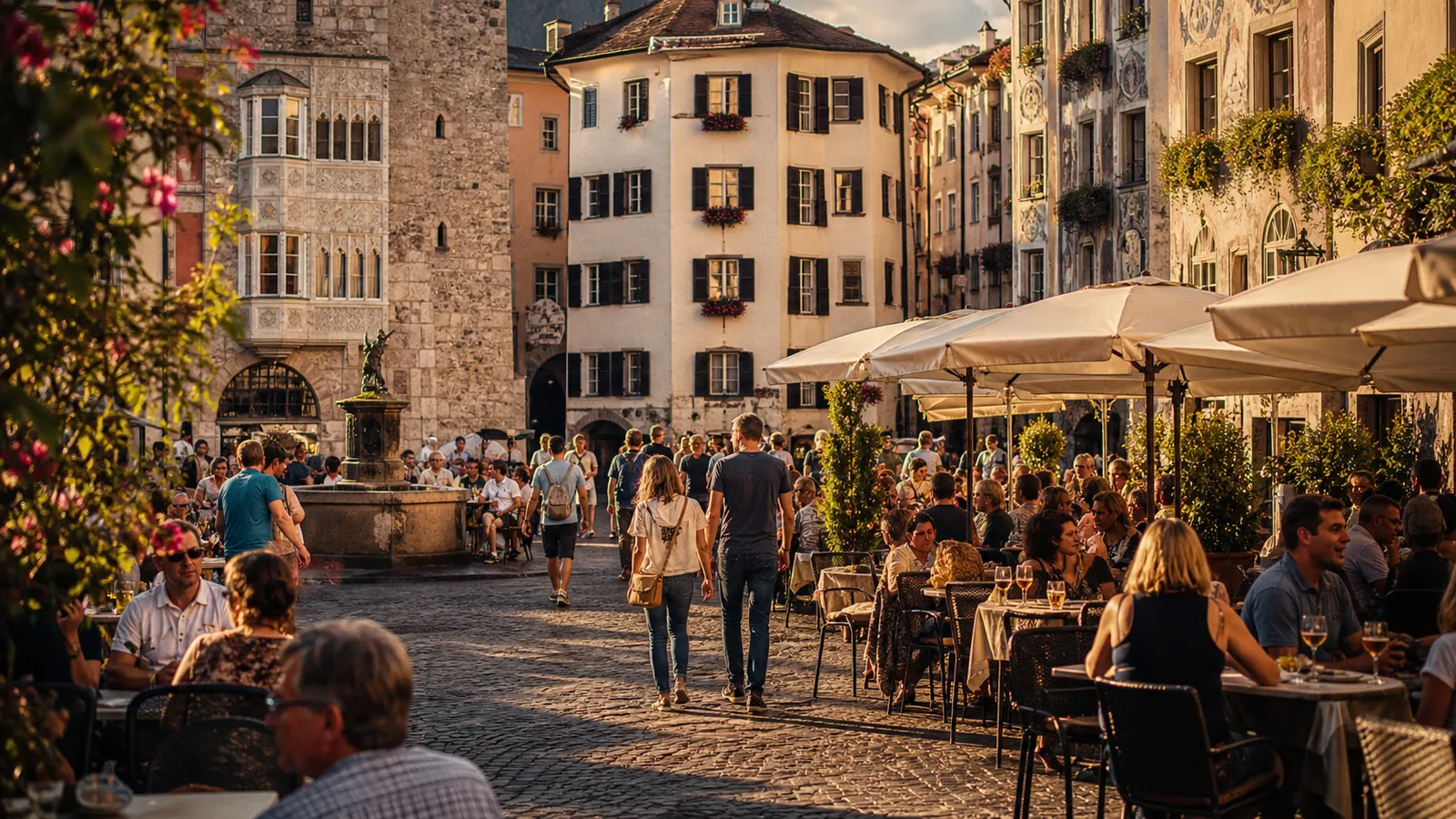
- The Altstadt and Innenstadt around Maria-Theresien-Strasse put you amid the arcades, sights and best restaurants, ideal for a short, walkable stay though the priciest. Wilten, just south near the Bergisel and the main station, is a slightly cheaper, local neighbourhood with good trams and easy onward trains. For mountain views and quiet, Hungerburg and Hoettingup on the slopes above the river suit those who want to step straight onto the Nordkette funicular, at the cost of a short ride into the centre each day.
 Austria