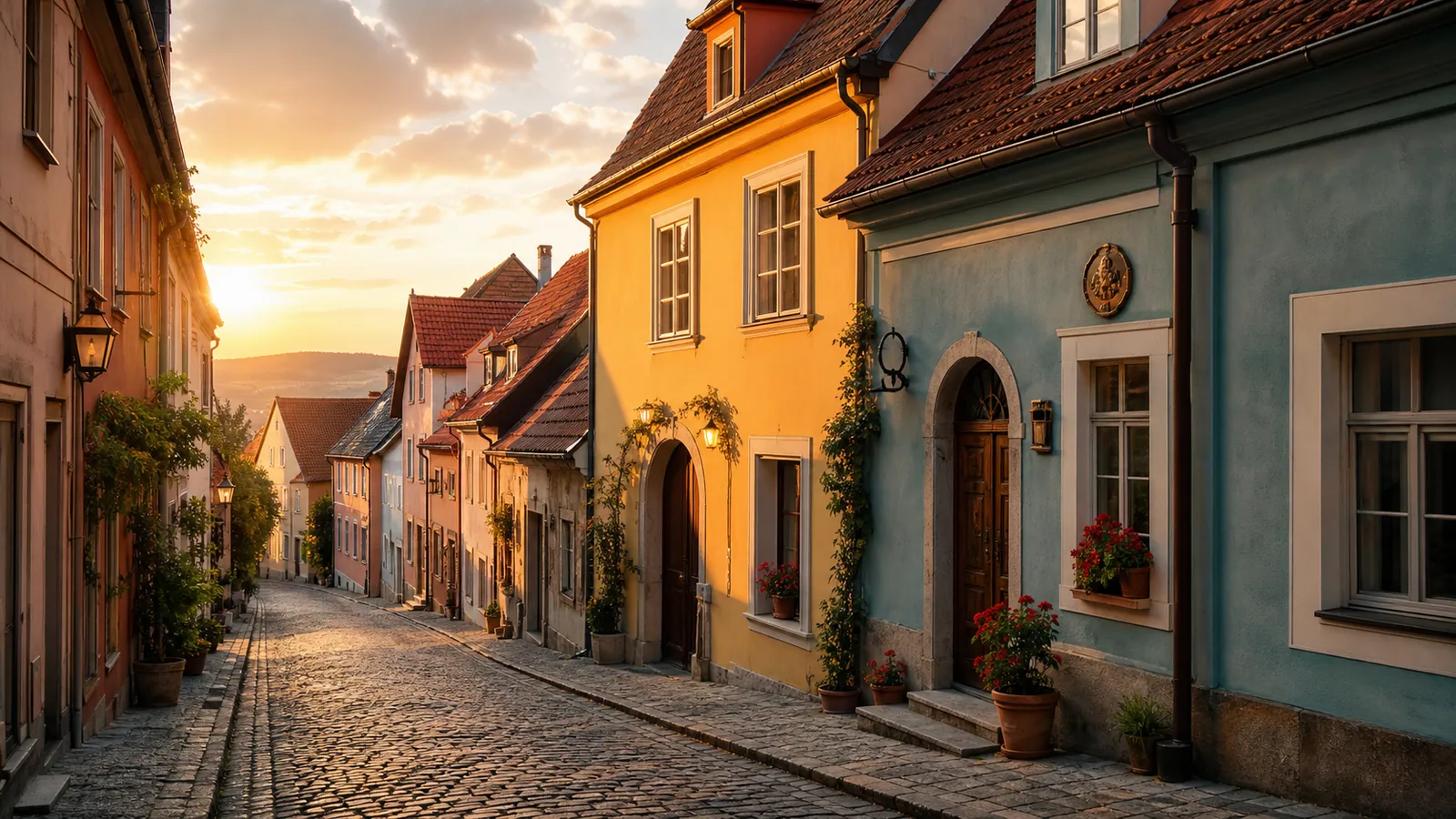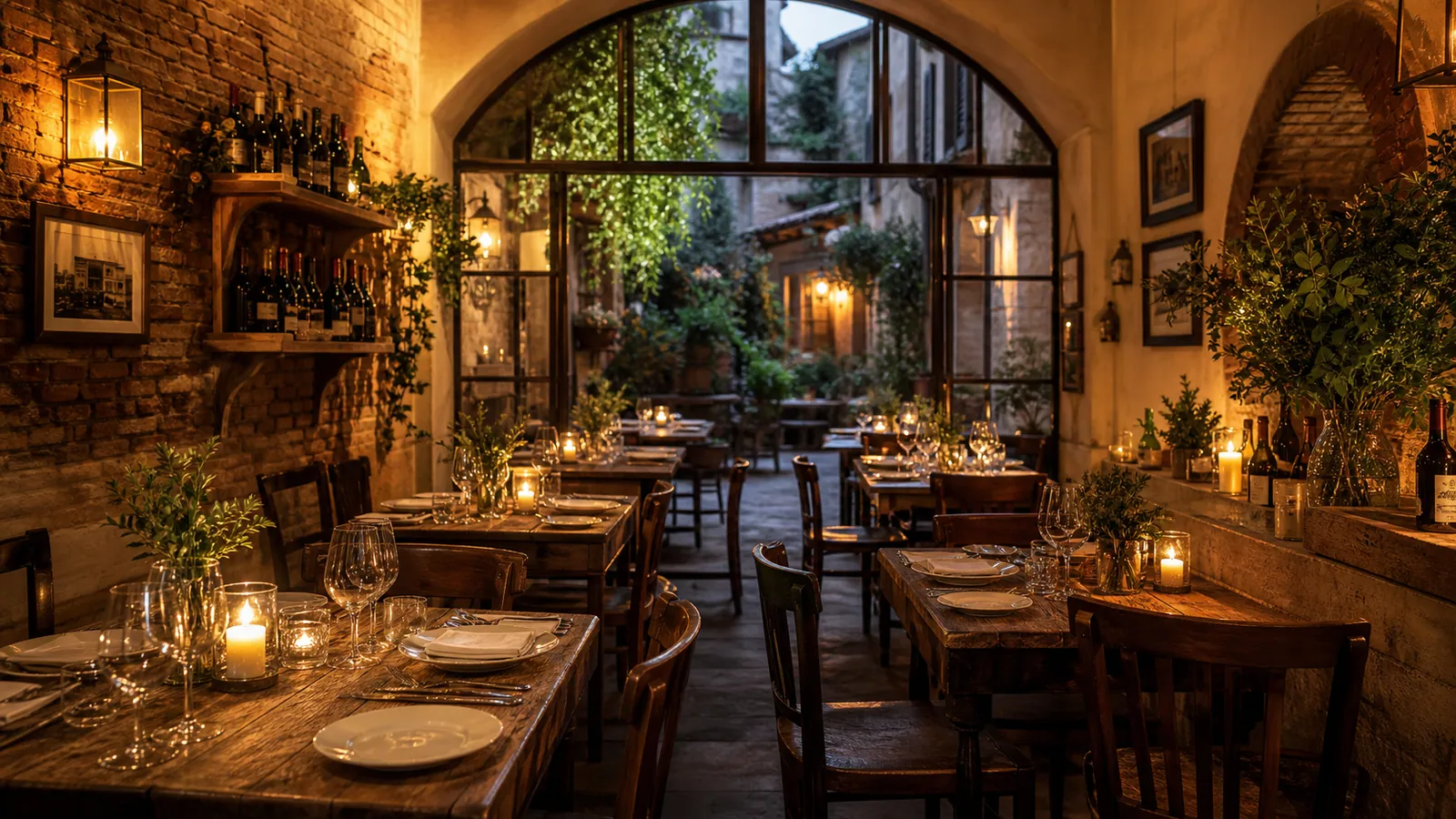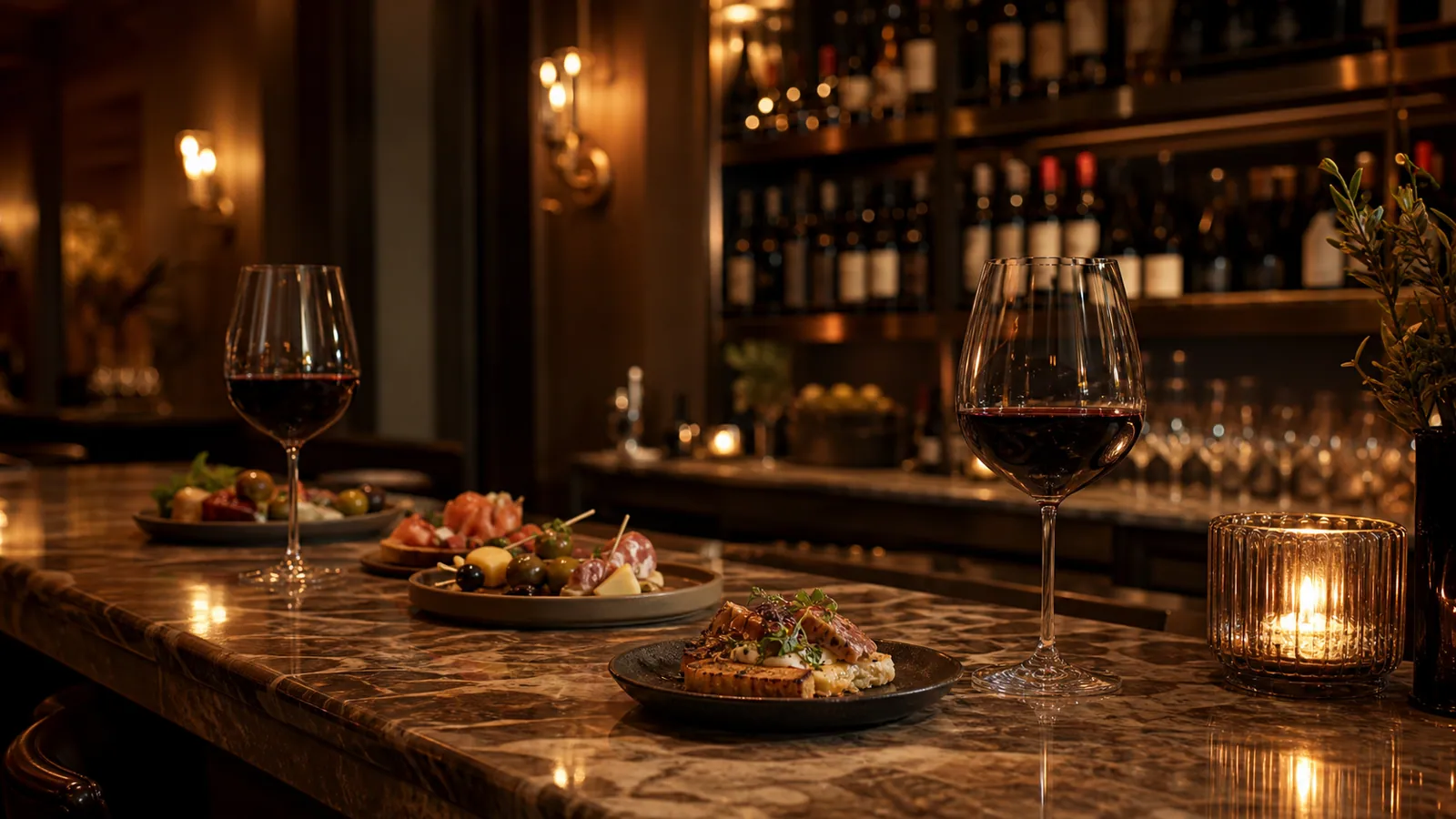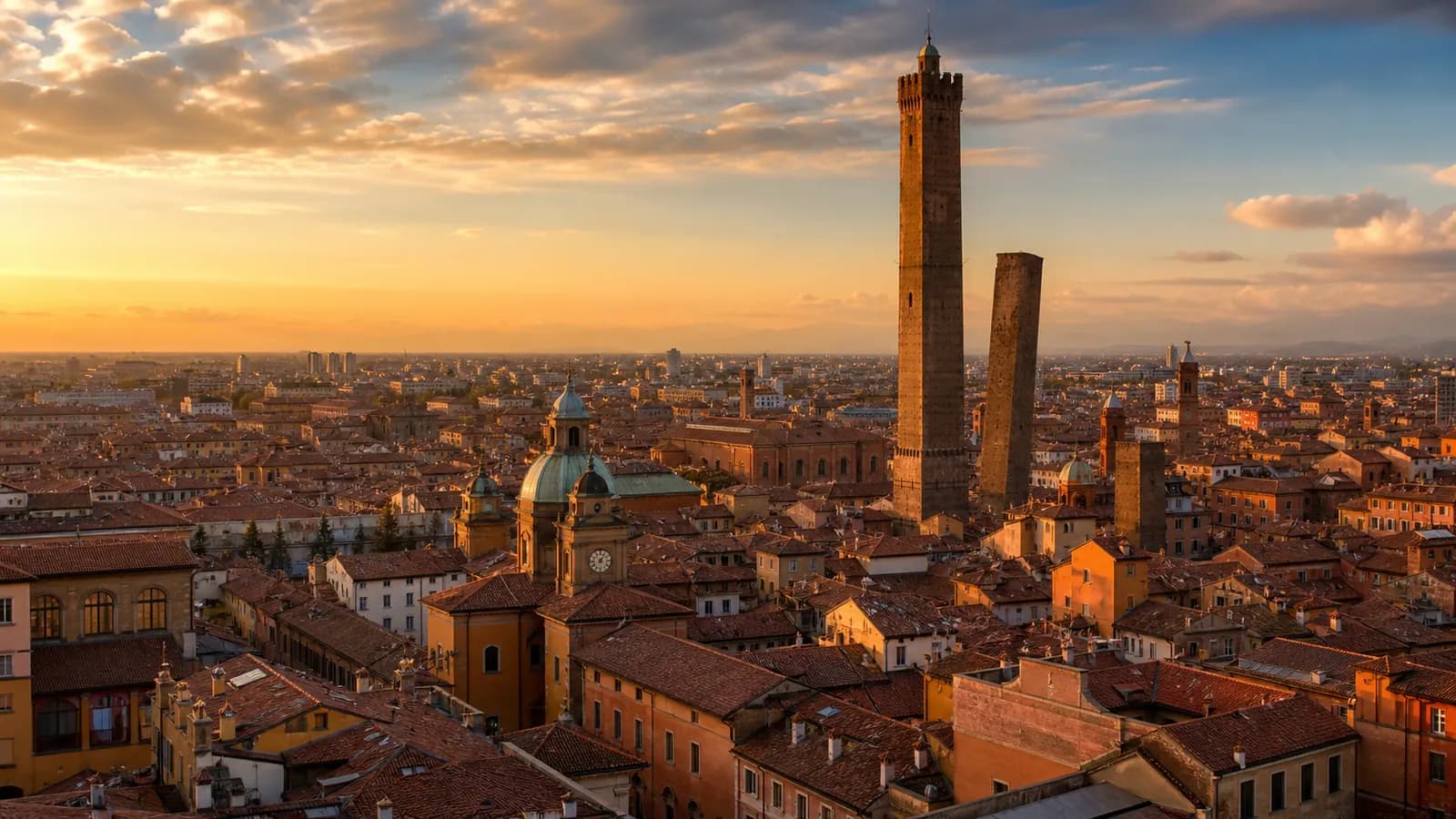

Bologna is Italy's great food city, a handsome, red-brick university town nicknamed la Grassa (the fat), la Dotta (the learned) and la Rossa (the red) for its cuisine, its ancient university and its terracotta rooftops. Blessedly under-touristed compared with Florence or Venice, it is made for wandering: nearly 40 kilometres of porticoes shelter you from sun and rain as you drift between medieval towers, a vast unfinished basilica and the buzzing food stalls of the Quadrilatero. This is the home of tagliatelle al ragu (never spaghetti bolognese), of tortellini in brodo, of mortadella and lasagne, and eating well here takes no effort at all. Approach it slowly: climb the leaning Asinelli tower for the rooftop view, take an early-morning wander through the market lanes, and let long lunches and evening aperitivi in Piazza Maggiore set the pace. Bologna is also the perfect base for the food-rich Emilia plains, Parma, Modena and the Ferrari lands, all a short train away. Come hungry and stay a while.
A full, walkable day in Bologna, free for everyone. Set your pace and start time.
Bologna's civic heart is quietest in the morning; take in the palazzi and Neptune before the day warms up.
Free to enter; look for the long brass meridian traced across the floor, and consider the small fee to go up to the terrace.
Book the timed ticket in advance, as slots sell out; it is 498 steep wooden steps and not for the faint-hearted.
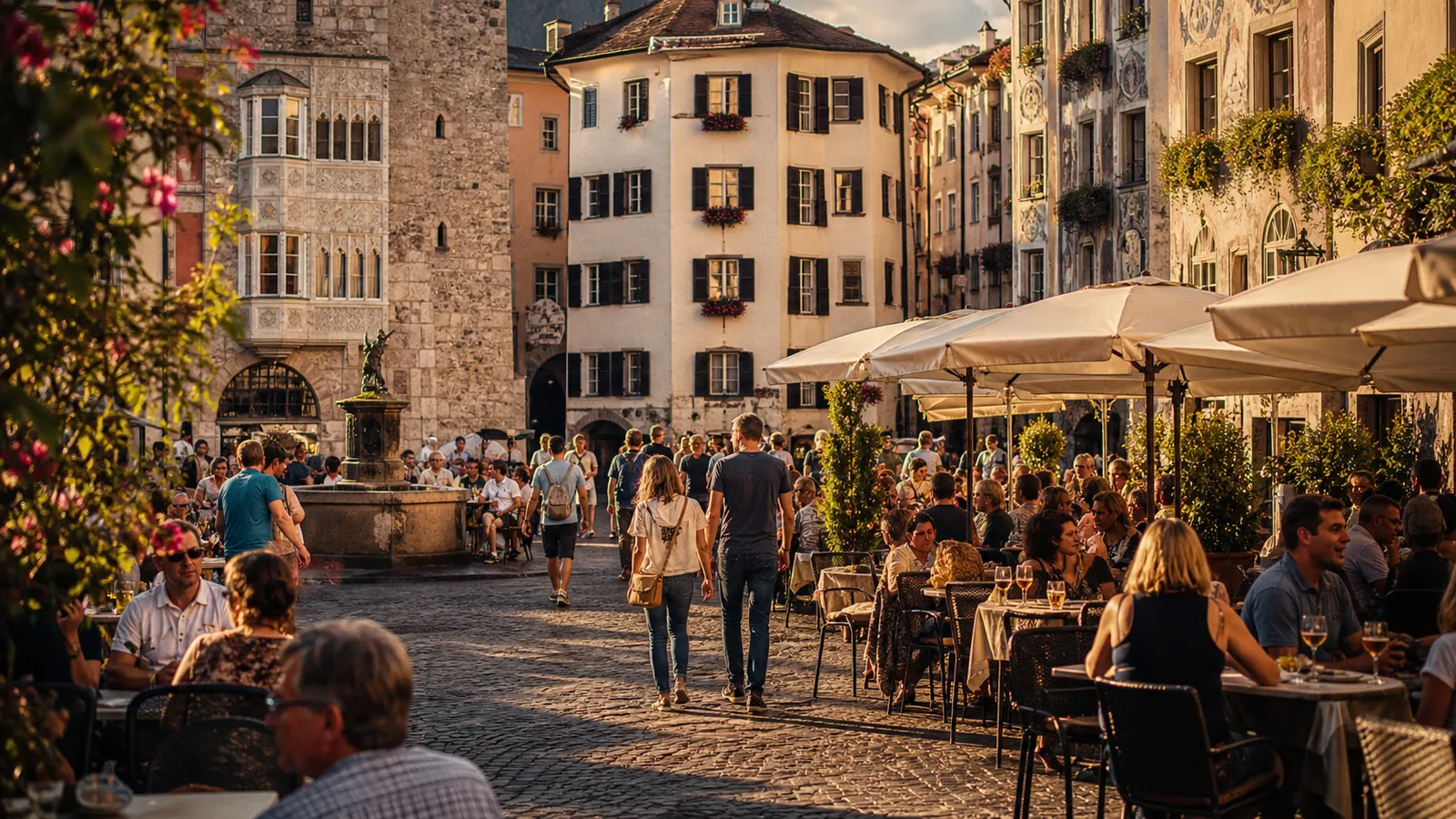
Order the tagliatelle al ragu and lasagne verde; the hand-rolled pasta is the point, and it is central and lively.
A short walk from the square; the carved wooden anatomy theatre is a highlight, and the courtyard is free to enter.
Free and atmospheric; wander the interlinked chapels and courtyards, then relax on the sloping piazza with a coffee.
Cash-friendly and buzzing; huge plates of ragu and crescentine, and you may end up sharing a table with students.

Bologna's grand civic heart, framed by medieval palazzi, the Basilica di San Petronio and the Fountain of Neptune; the free crescentone stone platform is the city's living room, best at aperitivo hour.


A warm, family-run trattoria north of the centre famed for benchmark tortellini in brodo and a groaning tagliere of local salumi; tiny and beloved, so book ahead.

One of the largest brick churches in the world, its facade still half-unfinished; inside, look for the astronomical meridian line traced across the floor, and climb the terrace for a rooftop view.

Bologna's leaning medieval towers; climb the taller Asinelli's 498 wooden steps for the classic rooftop panorama, but book the timed ticket ahead as slots are limited.

The atmospheric former seat of the university, its coat-of-arms-covered walls leading to the 1637 Anatomical Theatre, a spruce-wood wonder where dissections were once performed.

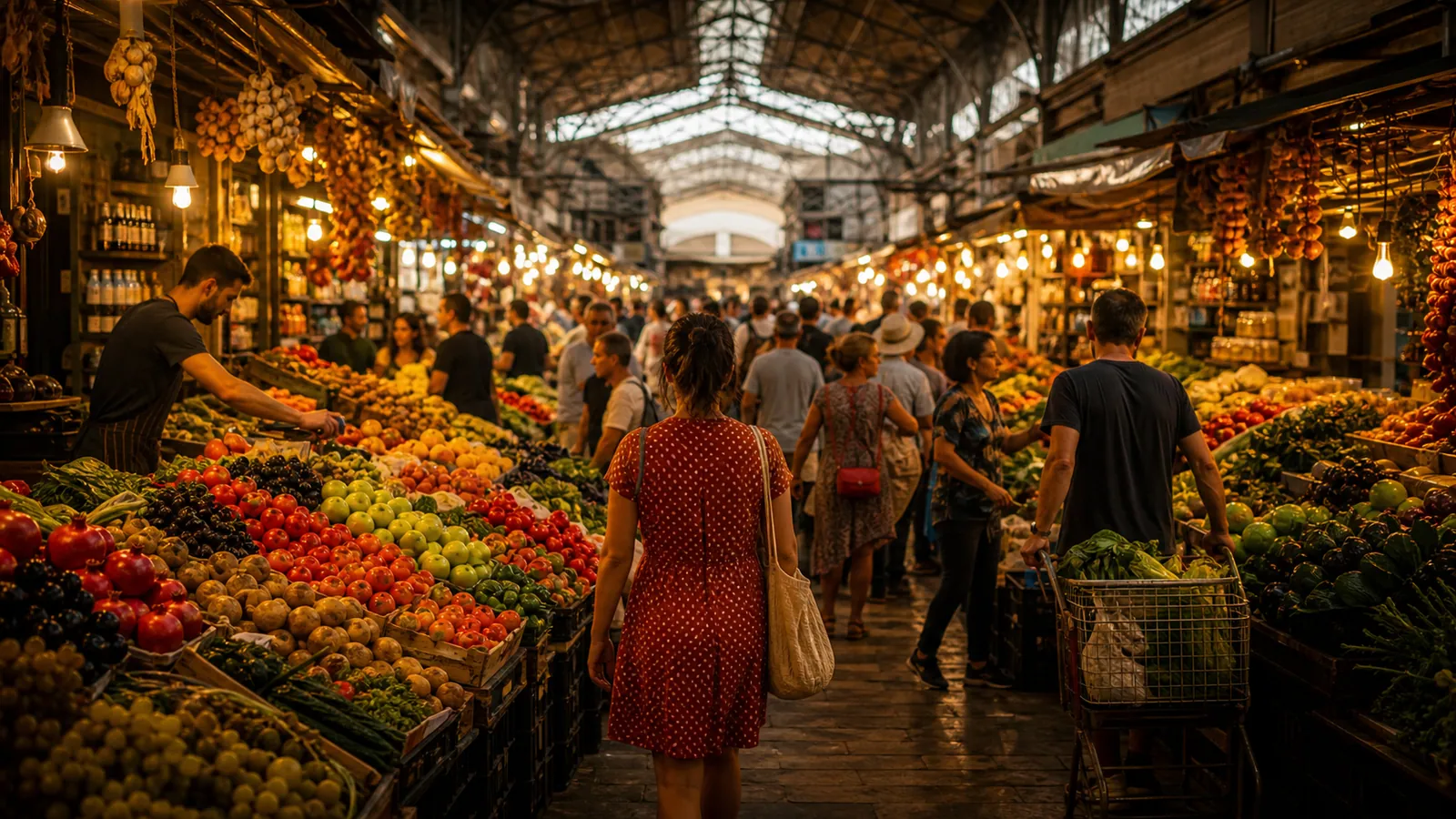
The tangle of medieval market lanes behind Piazza Maggiore, packed with delis, fishmongers and wine bars; come for the sights and smells, and graze a tagliere with a glass of Pignoletto.

A hilltop basilica reached by the world's longest continuous portico, 3.8 kilometres and 666 arches climbing from the city; walk up for exercise and a fine view, or take the San Luca Express.
A rollicking, cash-friendly osteria in the university quarter serving huge plates of tagliatelle al ragu and crescentine to students and locals; expect to share a table.

A shrine to hand-rolled pasta run by the formidable Anna Maria, whose tortelloni and lasagne verde are the stuff of Bolognese legend; the walls are lined with photos of regulars.


A 1465 wine-only tavern in the market lanes where you bring your own food and buy the wine; a raucous, only-in-Bologna institution for an afternoon glass.
You're reading the free preview. Members get the full Bologna guide, every spot mapped and built into ready-to-walk 1, 3 & 7-day plans, plus 100+ cities across Europe.
$49 a year, under $1 a week. Less than one tourist-trap coffee.
Cancel anytime · keep access until your term ends
Create your account at checkout. · Already a member? Sign in