- Getting around
- Brno sits on the main line between Prague (about 2.5 hours by fast train) and Vienna or Bratislava (roughly 1.5 hours), so it is easy to reach; Brno also has a small airport with a few European links. In the city, an excellent network of trams, trolleybuses and buses run by the DPMB covers everywhere, with tickets bought from machines, kiosks or by SMS and validated onboard; a short-ride ticket costs around 20 CZK. The compact centre is flat and very walkable, so you may only need trams for Villa Tugendhat or the outer villas. The main train and bus stations sit just south of the centre, a short walk or one tram stop from the main square, making onward day trips straightforward.
- Money
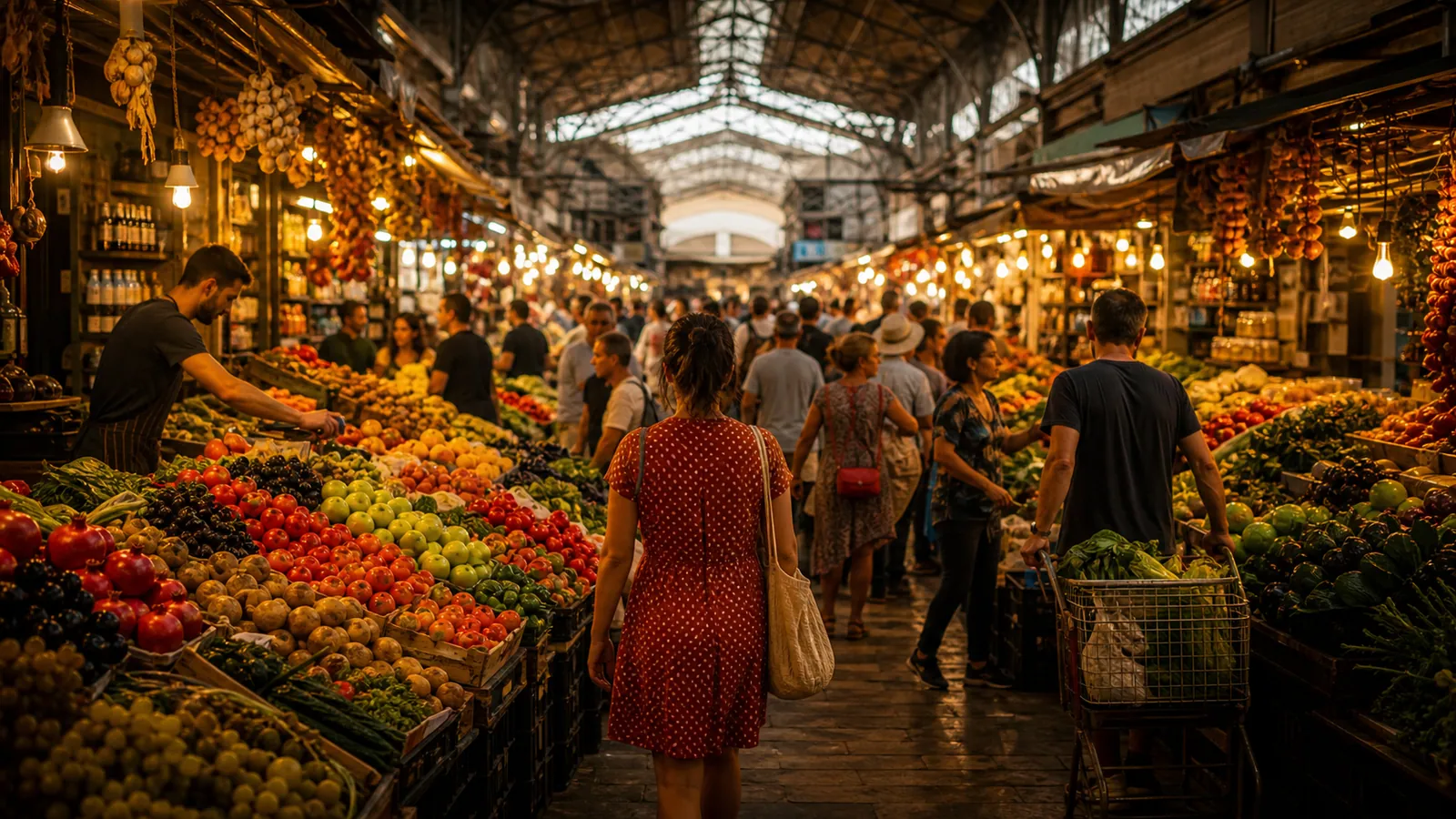
- The Czech Republic uses the koruna (CZK), so despite the proximity to the eurozone you should carry korunas; some places near the border accept euros at poor rates. Cards and contactless work almost everywhere, including trams and small cafes, but keep cash for market stalls and the smallest wine cellars. Tipping is modest, with rounding up or leaving about 10 percent for good service being customary. Brno is noticeably cheaper than Prague, especially for wine, coffee and dining, thanks to the large student population, so a glass of quality Moravian wine or a fresh tank beer costs very little.
- Safety
- Brno is a calm, safe city with low crime and a relaxed student atmosphere, and the centre feels comfortable to walk at night. The usual caution against pickpockets applies around the main train station, the market and crowded trams, so keep bags zipped. The area immediately around the station and Cejl can feel rougher after dark but is not dangerous for the alert visitor. Physical hazards are minor: cobbles in the old core, steep paths up to Spilberk and Petrov, and cold, damp underground temperatures in the caves and ossuary, where a light layer helps. Cycle lanes are limited, so watch for trams when crossing.
- Best season
- Late spring and early autumn are the sweet spots, with warm days ideal for terraces and the September wine harvest bringing burcak, the fizzy young wine, to the cellars. Summer is pleasant and lively but can be hot, while the city empties a little in August. Winter is cold and grey but atmospheric, with a charming Christmas market on the main square and easy museum access. Book Villa Tugendhat tours weeks ahead in any season as they sell out, and expect higher demand and prices during the Moto GP weekend at the nearby circuit, when hotels fill months in advance.
- Where to stay
- The City Centre around Namesti Svobody and Zelny Trh is the obvious base, walkable to every sight and full of cafes and bars, though the liveliest streets can be noisy at weekends. Veveri, the leafy university quarter just northwest, offers a calmer, more local feel with good-value guesthouses a short tram or walk from the action. For a quieter, greener stay near Villa Tugendhat, the Cerna Pole district to the north suits those wanting space and residential calm. Wherever you pick, aim to stay within a tram stop or two of the centre so evenings out and morning sights stay easy on foot.
 Czechia