- Getting around
- Dresden runs a superb, dense tram network alongside buses and S-Bahn trains under the VVO tariff; a single ride is about 3 euro and a day pass around 7.50 euro, covering the whole city. Dresden Airport is 15 minutes from the centre on S-Bahn line S2. The Altstadt is entirely walkable and its main sights cluster within a few hundred metres, while the trams make quick work of crossing to the Neustadt. Historic paddle steamers cruise the Elbe to Pillnitz and beyond. Regional trains reach Meissen, the Saxon Switzerland trailheads and Leipzig easily. Buy tickets from machines or the DVB app, and validate paper tickets in the small stamping boxes aboard trams.
- Money
- Germany uses the euro. Cards and contactless are accepted in most restaurants and hotels, but Dresden, like much of eastern Germany, still leans on cash, so carry notes for cafes, market stalls, kiosks and smaller Neustadt bars, some of which are cash only. Tipping is modest, done by rounding up or adding roughly 5 to 10 percent and telling the server the total as you pay rather than leaving coins behind. Prices include tax and service. You usually pay for bottled water when eating out, though tap water is safe. Museum combination tickets can save money if you plan several visits.
- Safety
- Dresden is a safe and relaxed city for visitors. Petty pickpocketing can occur around the main station, on busy trams and at packed events like the Striezelmarkt, so keep bags zipped in crowds. The Neustadt nightlife strip around Alaunstrasse gets rowdy late at weekends but is good-natured; the usual caution about drunken crowds applies. Occasional political demonstrations take place in the city centre, which are best simply avoided. The riverbank paths and Bruhl's Terrace are pleasant but watch your footing on steps and cobbles after rain, and take normal care near the Elbe's edge during high water.
- Best season
- Late spring to early autumn (May to September) is ideal, with warm days for river cruises, terrace dining and trips to Saxon Switzerland, and the Elbe valley at its greenest. Summer brings festivals and the Filmnachte open-air cinema on the riverbank. December is special for the Striezelmarkt, one of Germany's oldest Christmas markets, though it is crowded and cold, and the famous Stollen fruit cake is everywhere. Winters are chilly and can bring snow. Whenever you go, book the Historic Green Vault's timed ticket and any Semperoper performance well in advance, as both sell out.
- Where to stay
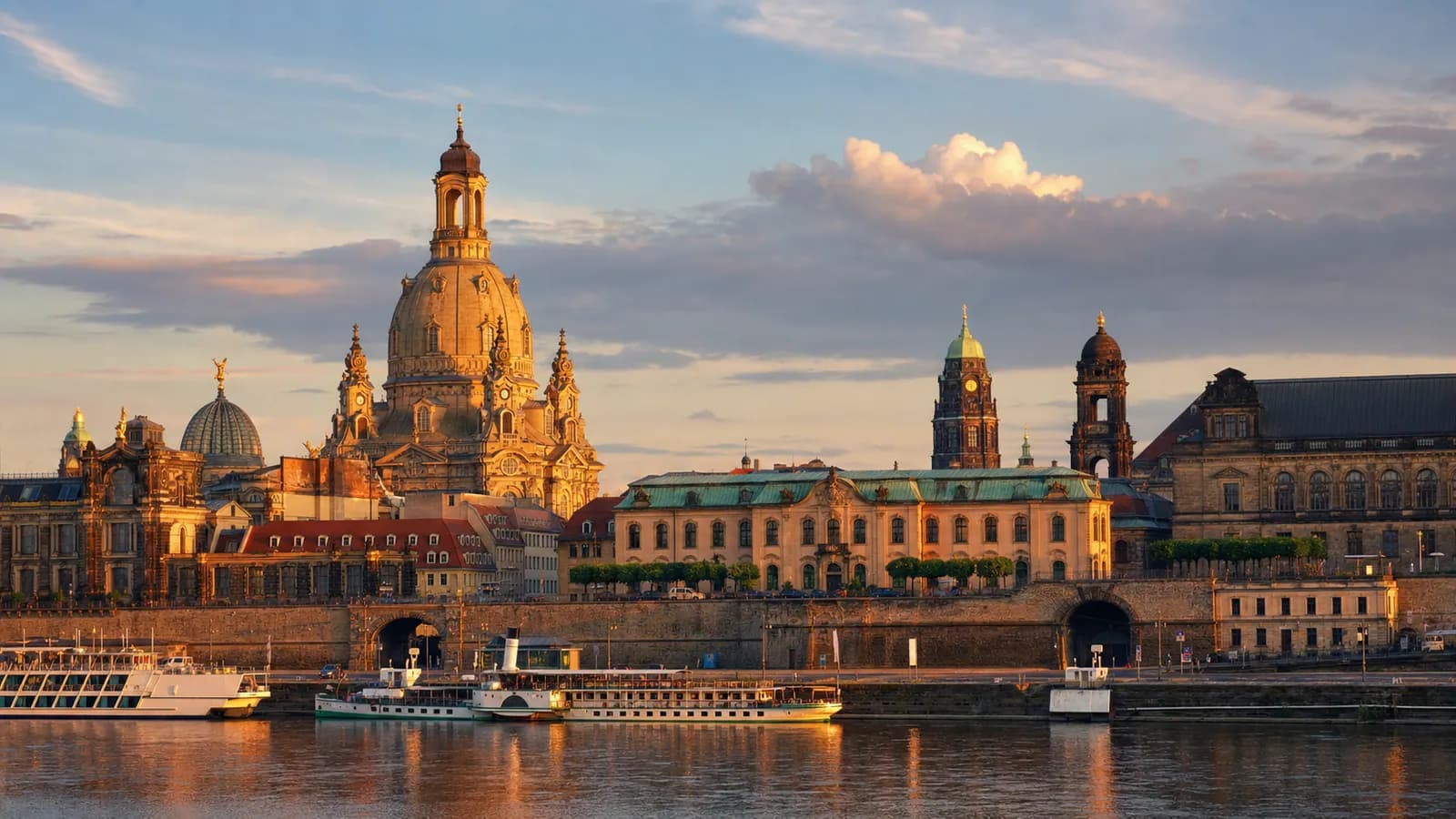
- The Altstadt puts you steps from the Frauenkirche, Zwinger and Green Vault, elegant and convenient for first-timers, though pricier and quiet at night. The inner Neustadt across the river, especially around the Hauptstrasse, offers a good balance of central location and lower prices with easy tram links. The outer Neustadt around Alaunstrasse is the young, bohemian nightlife quarter, lively and affordable, best for those wanting bars and street art on the doorstep rather than a peaceful sleep. Leafy Blasewitz and the Elbe-hillside villa districts suit travellers after a calm, upmarket base with a short tram ride in.
 Germany