- Getting around
- Frankfurt has one of Europe's best-connected transport setups, all on the RMV network of S-Bahn, U-Bahn, trams and buses; a single central ride is about 3.65 euro and a day pass around 7.60 euro. Frankfurt Airport, a major hub, is just 11 minutes from the main station on frequent S-Bahn lines S8 and S9 for a few euros, or 15 minutes by taxi. The centre, old town and Sachsenhausen are all walkable and flat, with the Eiserner Steg linking the two banks on foot. High-speed ICE trains reach Cologne, Heidelberg, Mainz and beyond in under an hour, making Frankfurt an ideal day-trip base. Buy tickets on the RMV app or at machines before boarding.
- Money
- Germany uses the euro. Cards and contactless are widely accepted in the centre and hotels, but apple-wine taverns, market stalls, kiosks and some smaller places still prefer or require cash, so carry notes. Apfelwein is cheap, ordered by the glass or the Bembel jug to share. Tipping is modest, done by rounding up or adding roughly 5 to 10 percent and telling the server the total as you pay rather than leaving coins on the table. Prices include tax and service, and you normally pay for bottled water when dining out, though tap water is perfectly safe.
- Safety
- Frankfurt is safe overall but has one notable rough spot: the Bahnhofsviertel, the red-light and drug district immediately around the main station, which can feel intimidating, especially at night. Passing through is fine and increasingly gentrified in parts, but keep your wits about you and don't linger on the side streets after dark. Pickpocketing occurs around the station, the Zeil shopping street and busy tourist points, so keep bags zipped. Elsewhere the old town, Sachsenhausen and the Westend are comfortable day and night. Watch your step on the Eiserner Steg and cobbles after rain.
- Best season
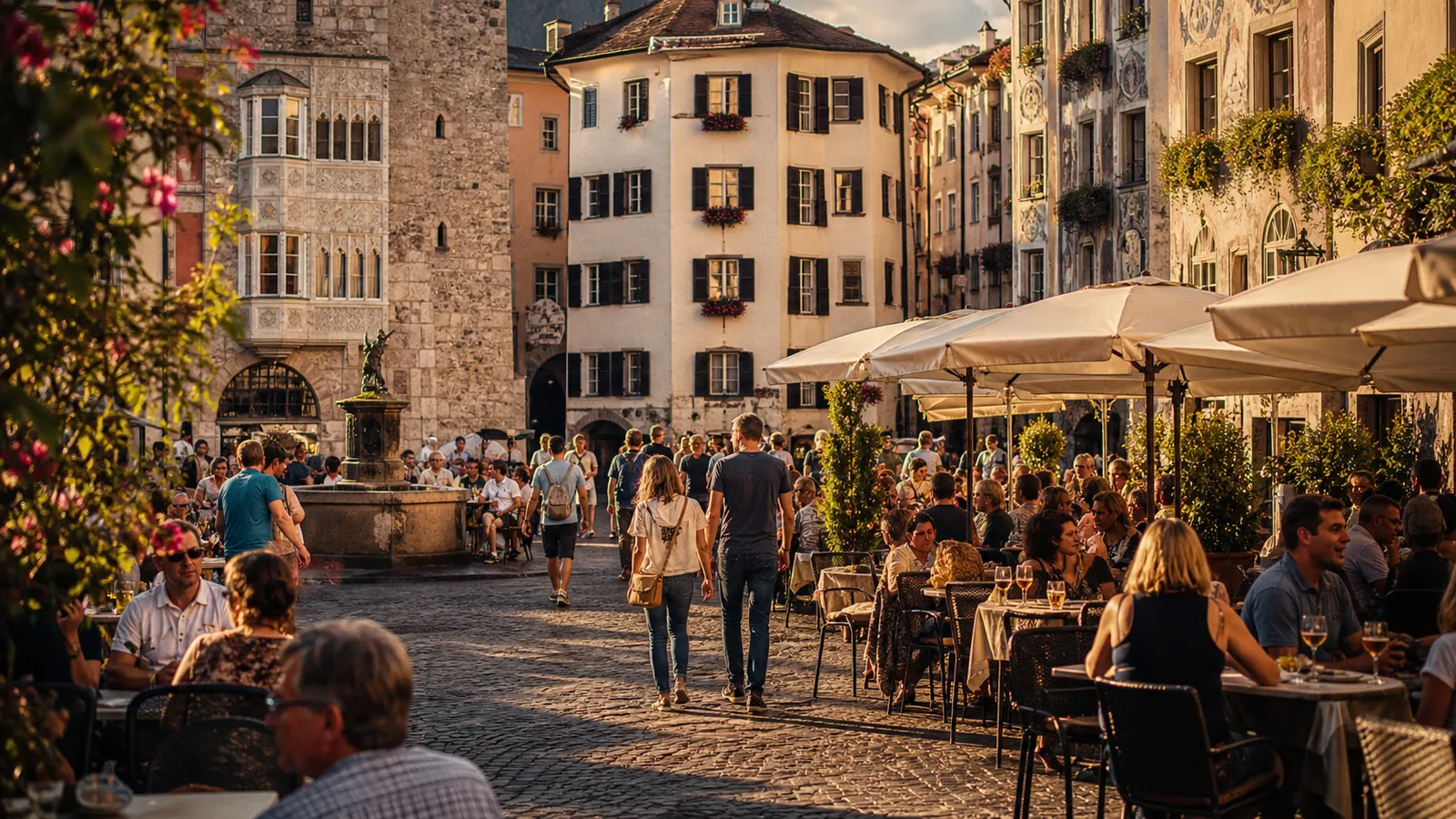
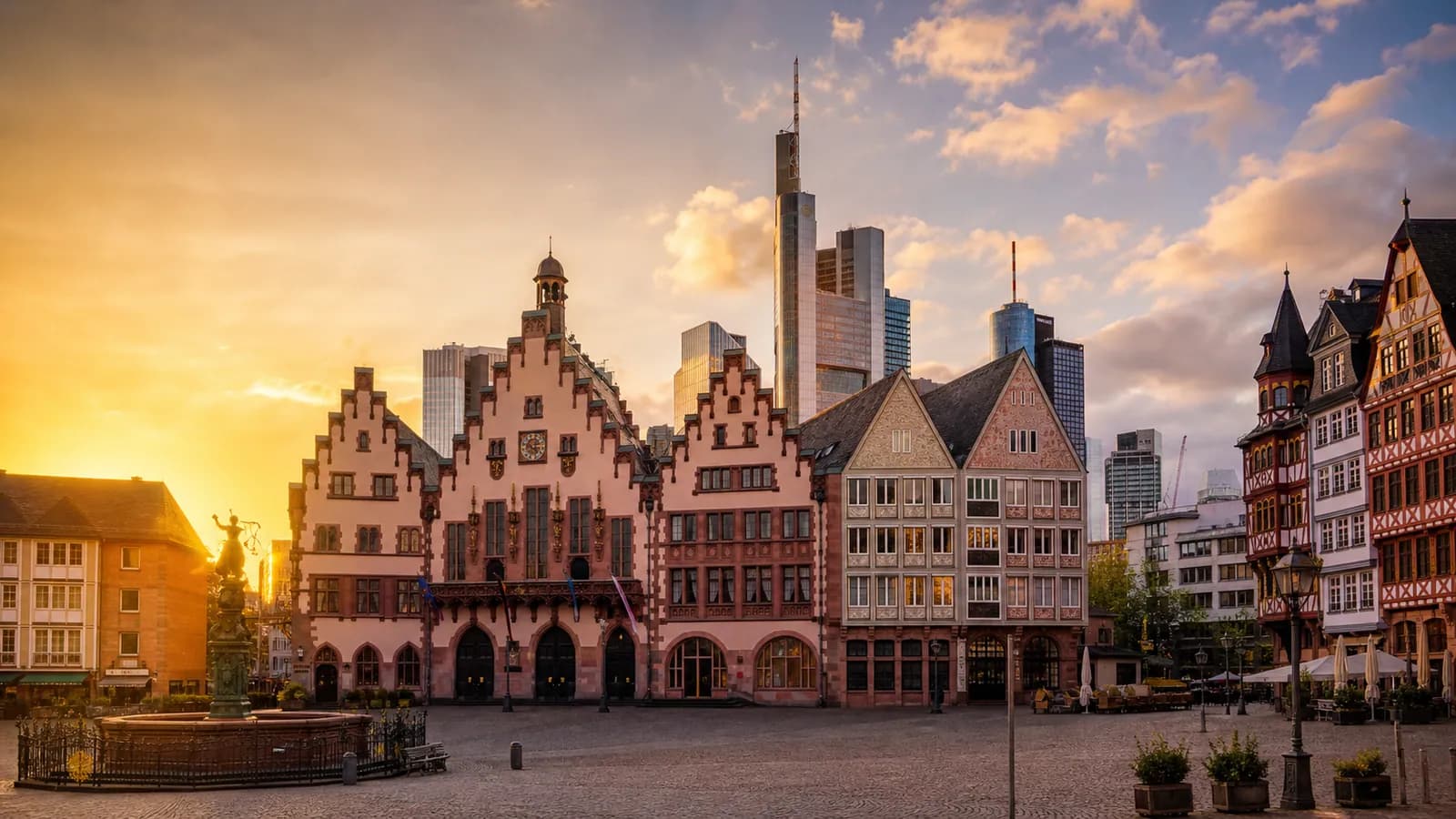
- May to September offers the best weather for riverside walks, beer gardens and the apple-wine taverns spilling into their courtyards, with the Museumsuferfest riverside culture festival a highlight in late August. Spring and early autumn are pleasant and less crowded. Winter is grey and cool rather than snowy, though the Christmas market on the Romerberg is one of Germany's prettiest and busiest in December. Be aware that big trade fairs, especially the Book Fair in October and the Auto and consumer shows, send hotel prices soaring and fill rooms, so check the fair calendar and book early around those dates.
- Where to stay
- Sachsenhausen is the most characterful base, home to the apple-wine taverns and the Museumsufer, relaxed and walkable to the centre across the river, ideal for first-timers wanting local colour. The Westend and Nordend are elegant, leafy and residential, good for a quieter, more upmarket stay near the Palmengarten and Bergerstrasse cafes. The Innenstadt around the Alte Oper and Zeil is central and convenient for shopping and transport. Rooms right by the Hauptbahnhof are cheap and handy for trains, but the surrounding Bahnhofsviertel is gritty, so pick your street with care.
 Germany