- Getting around
- Hamburg's HVV network of U-Bahn, S-Bahn, buses and harbour ferries is excellent and integrated on one ticket; a single central ride is about 3.80 euro, a 9-hour day pass around 8.40 euro, and children's fares are cheaper. The clever hack is the HADAG harbour ferries (lines 62, 72, 73) which count as normal public transport, so a day pass buys you a de facto harbour cruise. Hamburg Airport is 25 minutes from the centre on S-Bahn line S1, roughly 3.80 euro. The centre, HafenCity and St Pauli are very walkable and flat, and the city is superbly set up for cycling with StadtRAD rental bikes free for the first 30 minutes. Buy tickets on the HVV app or at machines and validate S-Bahn tickets before boarding.
- Money
- Germany uses the euro. Cards and contactless are increasingly accepted, but Hamburg still runs on cash more than you might expect, so carry notes for kiosks, the Fischmarkt, bakeries and smaller bars. Many Fischbrötchen stalls and market traders are cash-only. Tipping is modest and done by rounding up or adding roughly 5 to 10 percent, handed to the server rather than left on the table (say the total you want to pay as you hand over the money). Restaurant prices include tax and service. Tap water is safe but you usually pay for bottled water when dining out.
- Safety
- Hamburg is a safe, well-run city. The main nuisance is pickpocketing around the Reeperbahn, Landungsbrucken, the main station (Hauptbahnhof) and on crowded weekend trains, so keep bags zipped and phones away. The Reeperbahn and St Pauli are lively and mostly good-natured at night but stay alert for aggressive touts and drunken crowds in the small hours, and give the Herbertstrasse a wide berth if that's not your scene. Weather is the real wildcard: rain and wind blow in fast off the Elbe year-round, so always carry a waterproof and watch for slippery pontoons and cobbles.
- Best season
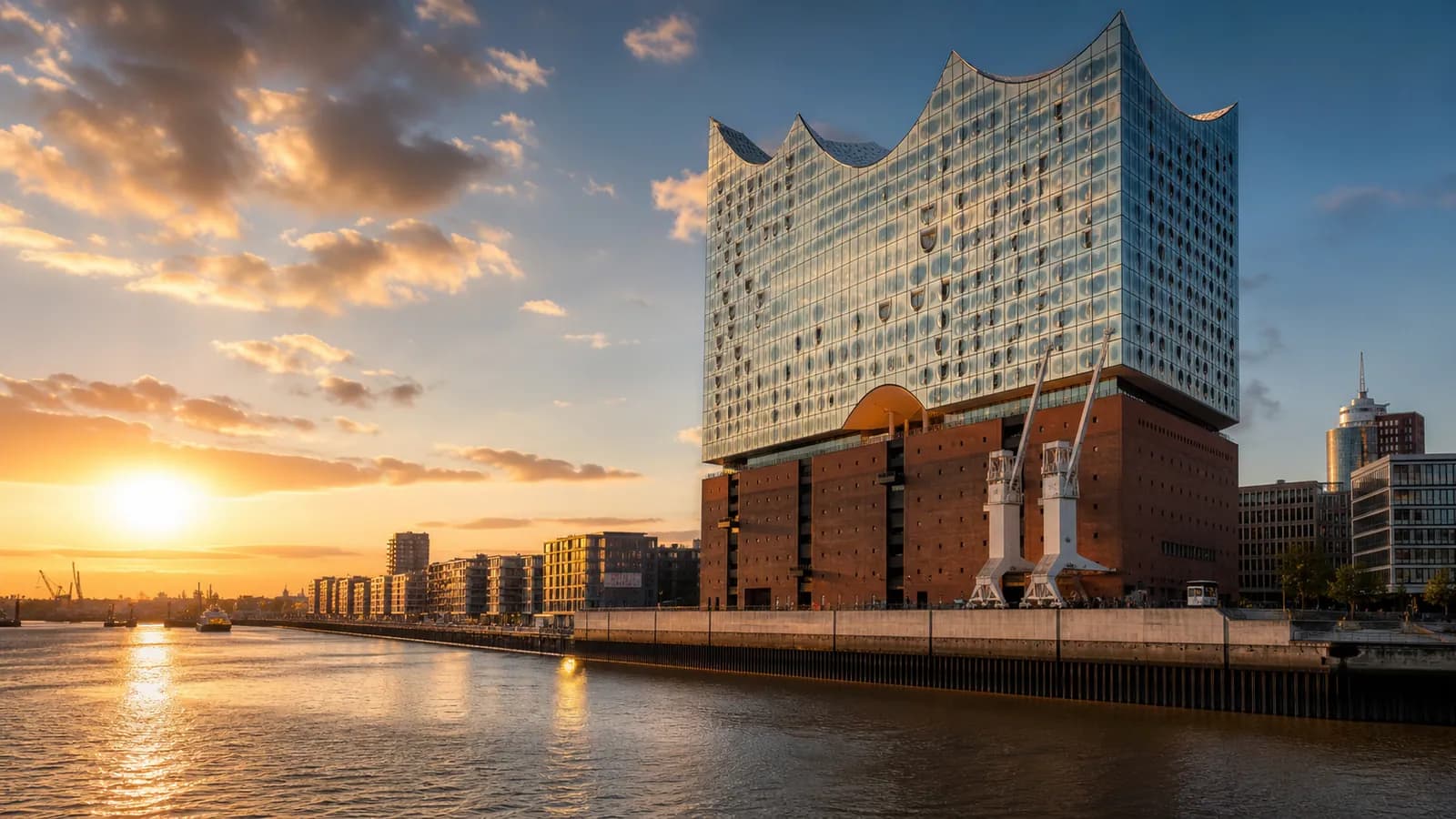
- Late spring to early autumn (May to September) is the sweet spot, with long days, lakeside life and the water-light shows in Planten un Blomen, though summer can still turn grey and wet at a moment's notice. The Hafengeburtstag port anniversary in early May and the Christmas markets around the Rathaus in December are both worth timing a trip around. Winters are dark, cold and damp rather than snowy, and museums and the Elbphilharmonie are quieter then. Whenever you go, book Elbphilharmonie concerts and Miniatur Wunderland well ahead, as both sell out fast.
- Where to stay
- St Pauli and the Schanze suit night owls and younger travellers, packed with bars, street food and quick transport, though it can be noisy at weekends. Neustadt and the Altstadt around the Rathaus and Alster put you central, elegant and walkable, ideal for first-timers and those wanting the lakes on the doorstep. HafenCity is sleek, modern and quiet with the Elbphilharmonie and harbour at hand, good for couples and design lovers. St Georg near the main station is convenient and diverse with the best-value beds, but choose your street carefully.
 Germany