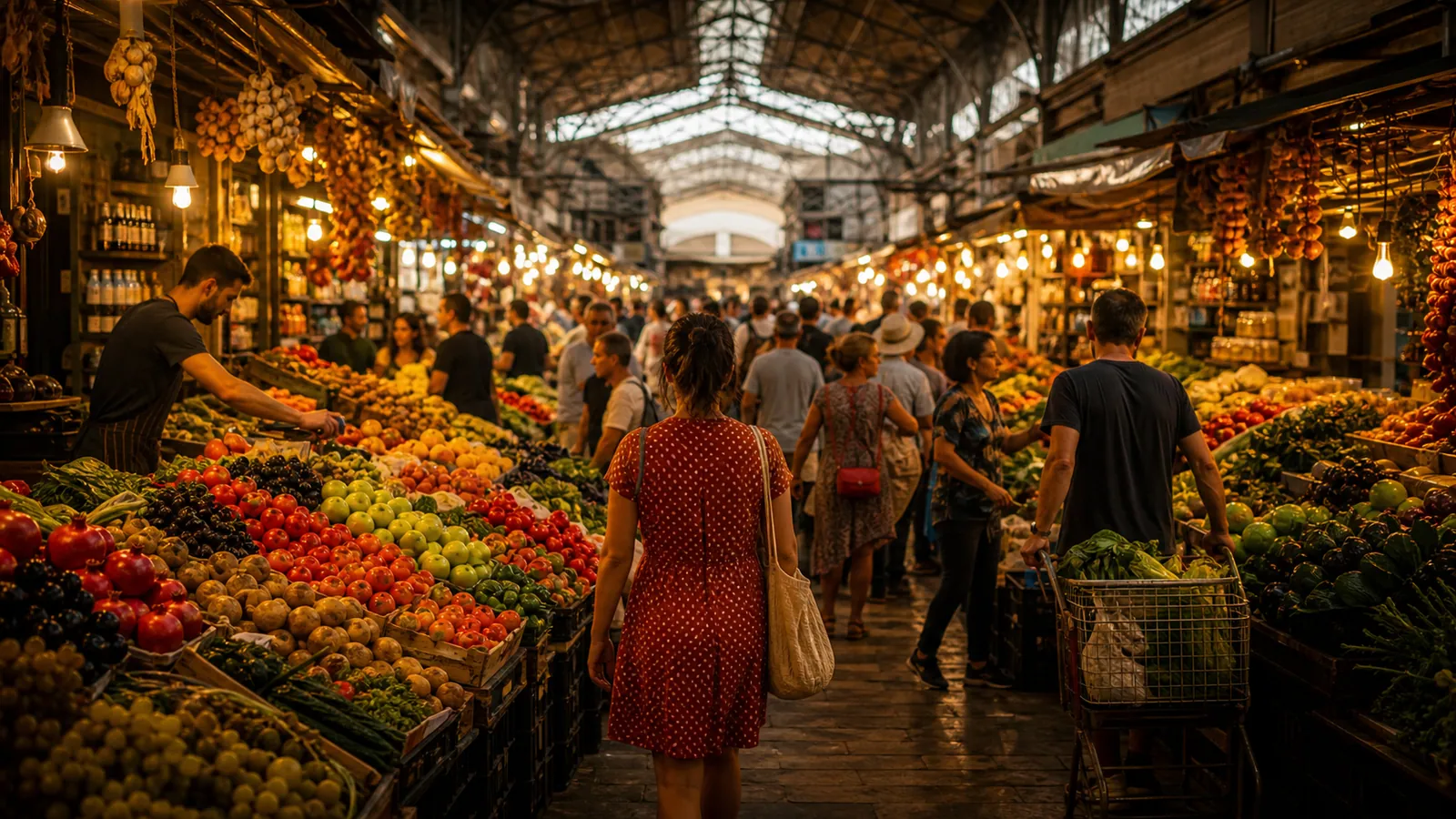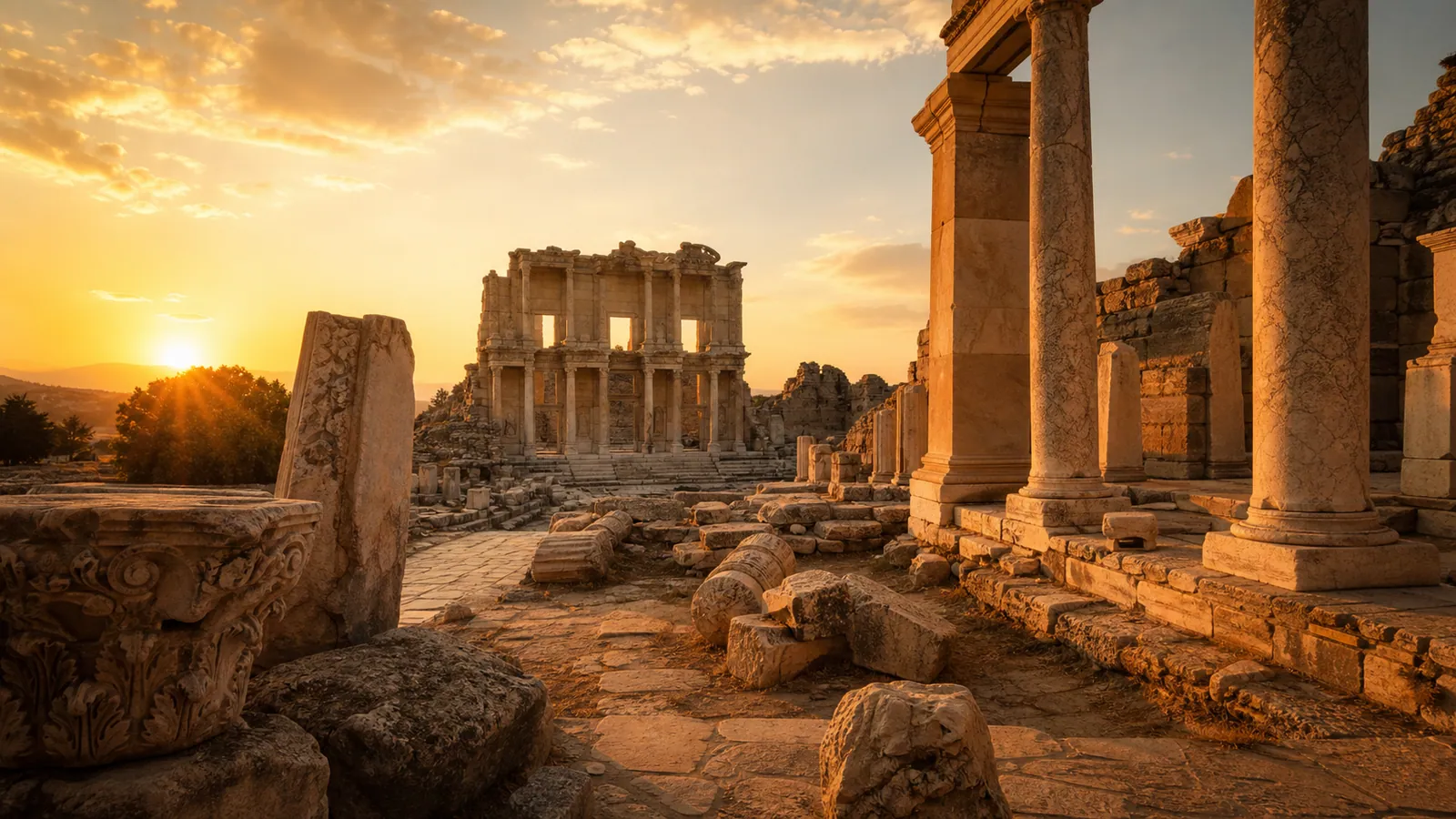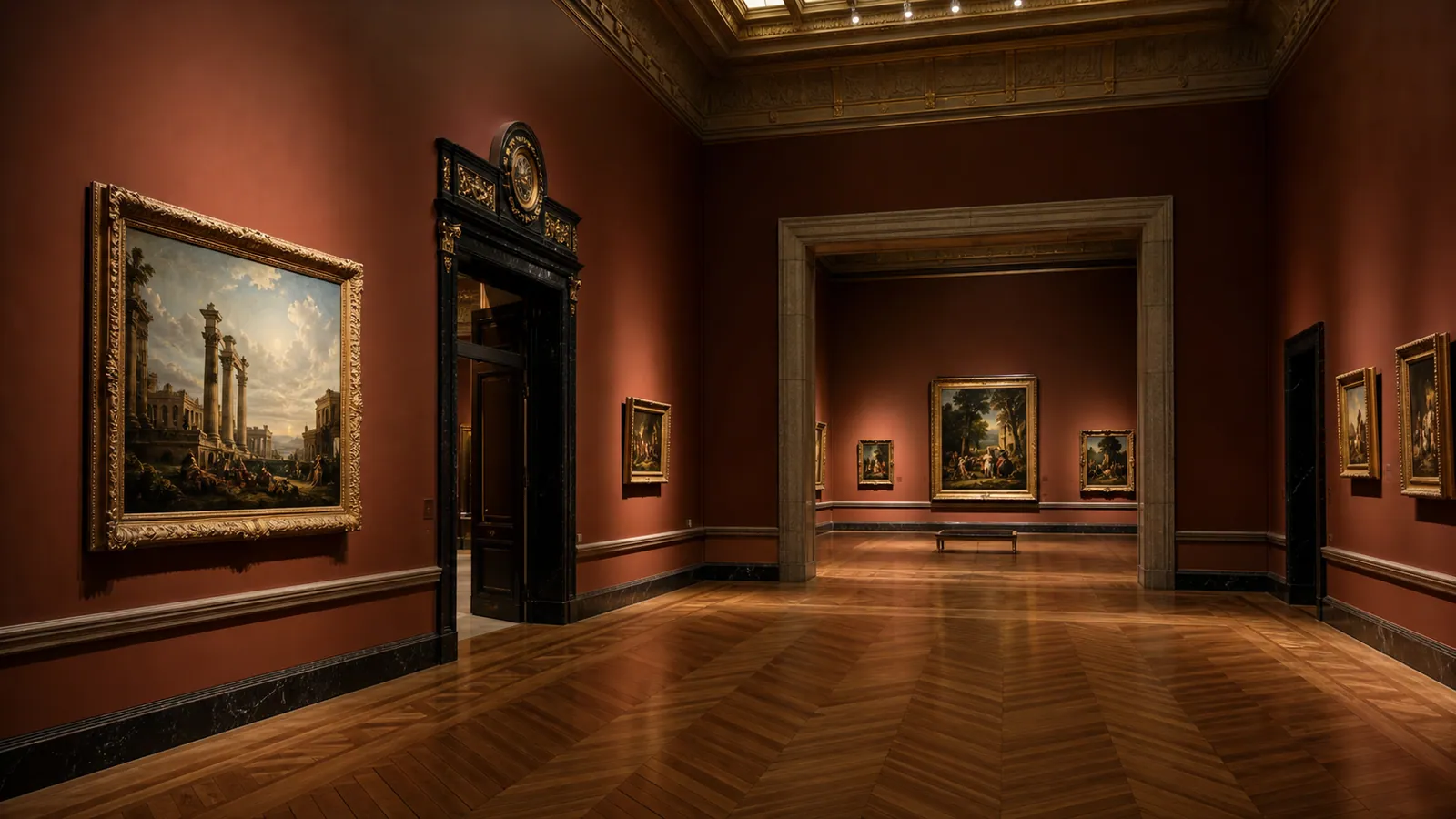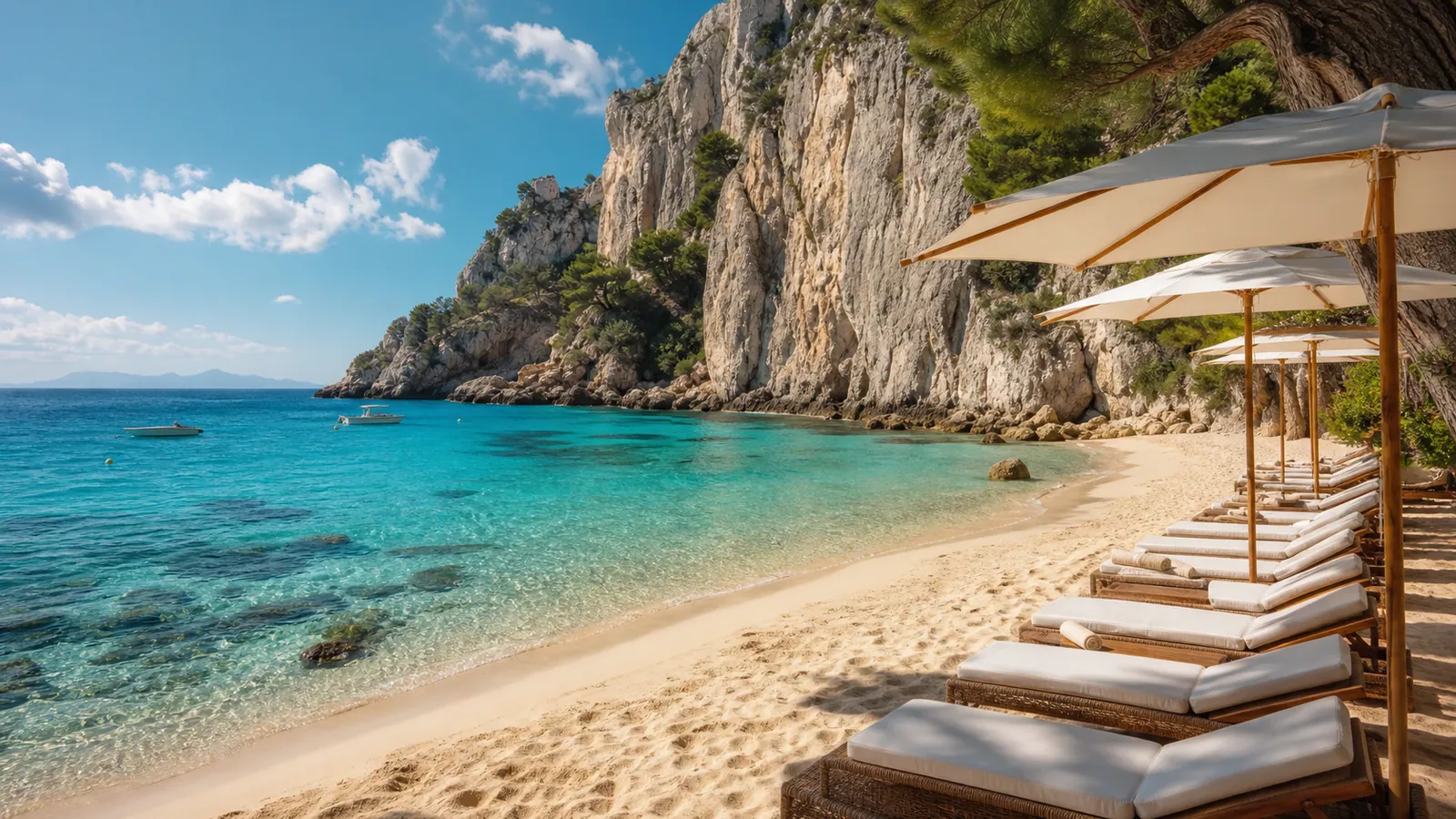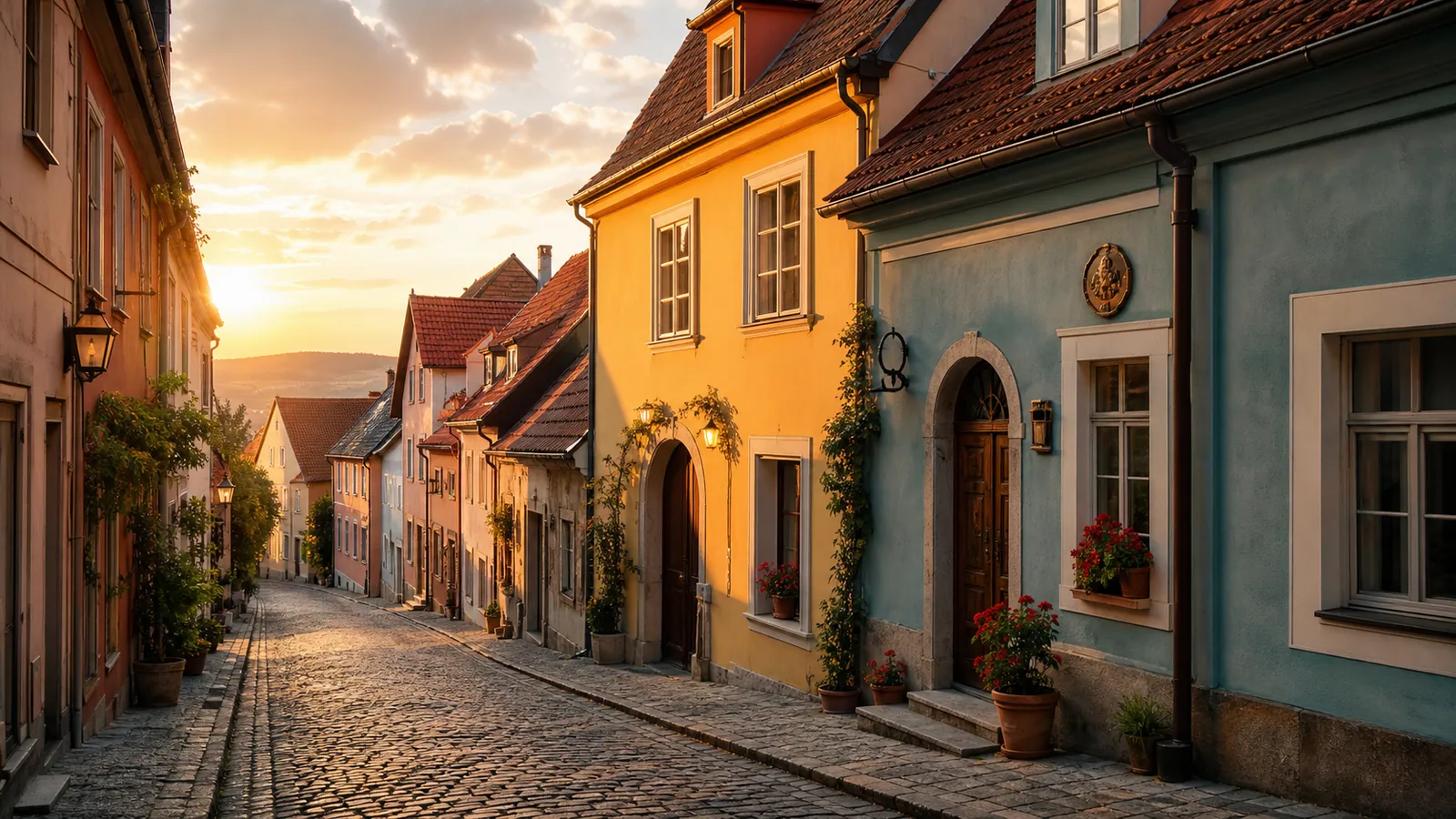

Crete is Greece's largest island and it behaves like a small country, with its own dialect, cuisine and fierce local pride stretching from palm-fringed southern beaches to snow-capped mountains. Do not try to see it from a single base. The two great hubs sit two hours apart on the north coast: Chania in the west, all Venetian harbour and Ottoman lanes, and Heraklion in the centre, gritty, energetic and guarding the Minoan palace of Knossos. Hire a car on day one, because the best of Crete lives at the end of switchback roads, in mountain villages where they still smoke apaki pork and press their own raki. Build your rhythm around long lunches, a midday retreat from the sun, and late dinners that drift past midnight. Order dakos rusks piled with tomato and mizithra, sticky slow-cooked lamb, cheese-filled kalitsounia and the wedding rice called gamopilafo, and let every taverna pour you a farewell raki whether you asked for it or not. Book gorge hikes and ferries ahead in summer, respect the mountain heat, and Crete will feed you like family.
A full, walkable day in Crete, free for everyone. Set your pace and start time.
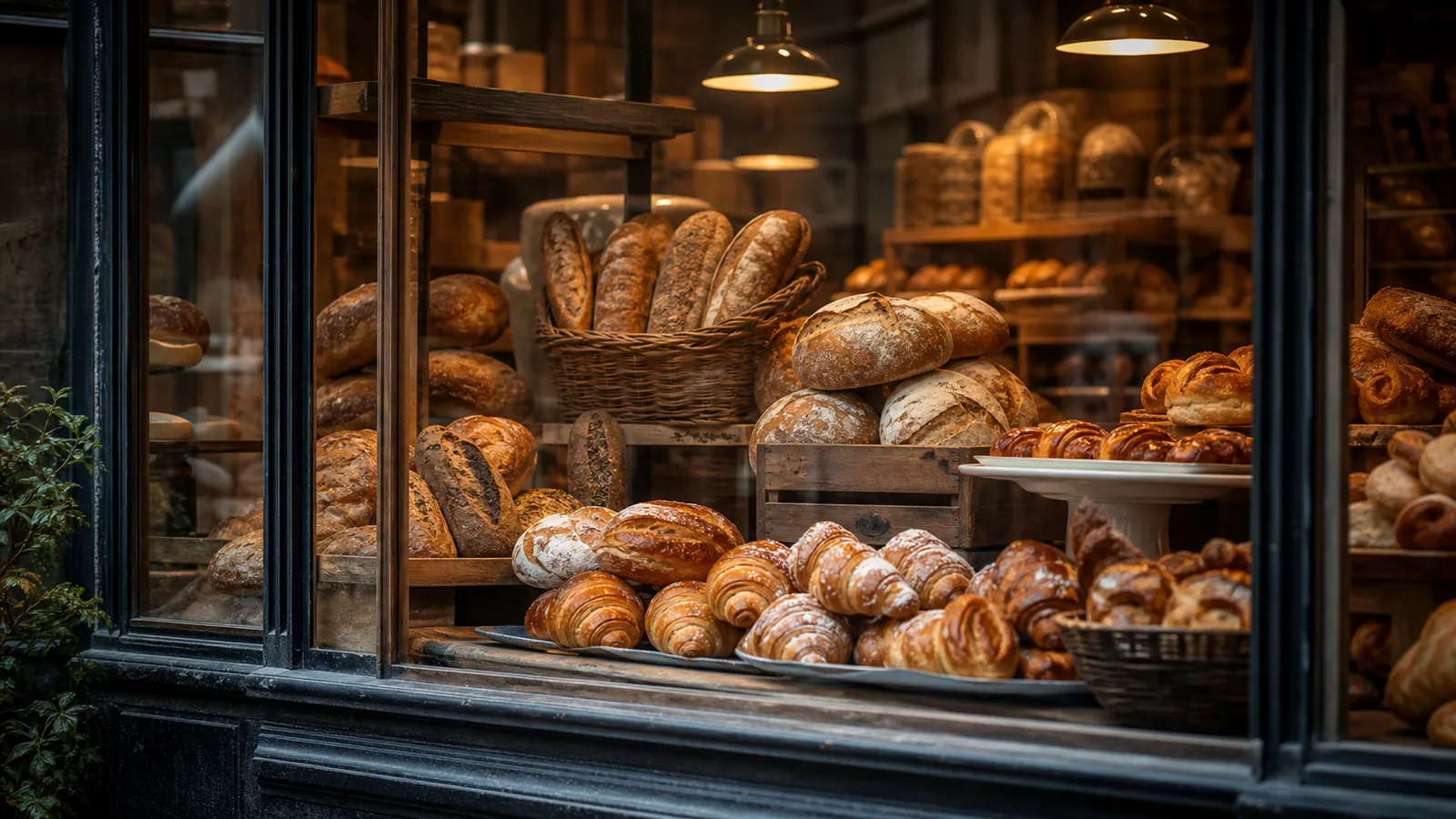
Order it warm with fresh mizithra and a dusting of cinnamon; it is the only thing they make and it sells out by late morning, so come early.
Buy thyme honey, mizithra and a bottle of raki to take home; it is quietest first thing before the tour groups arrive.
This old Ottoman quarter is more local than the harbour; wander past Well of the Turk and note it for tonight's dinner.
Follow the Cretan rhythm and retreat from the afternoon heat; the town reopens and cools around 18:00.
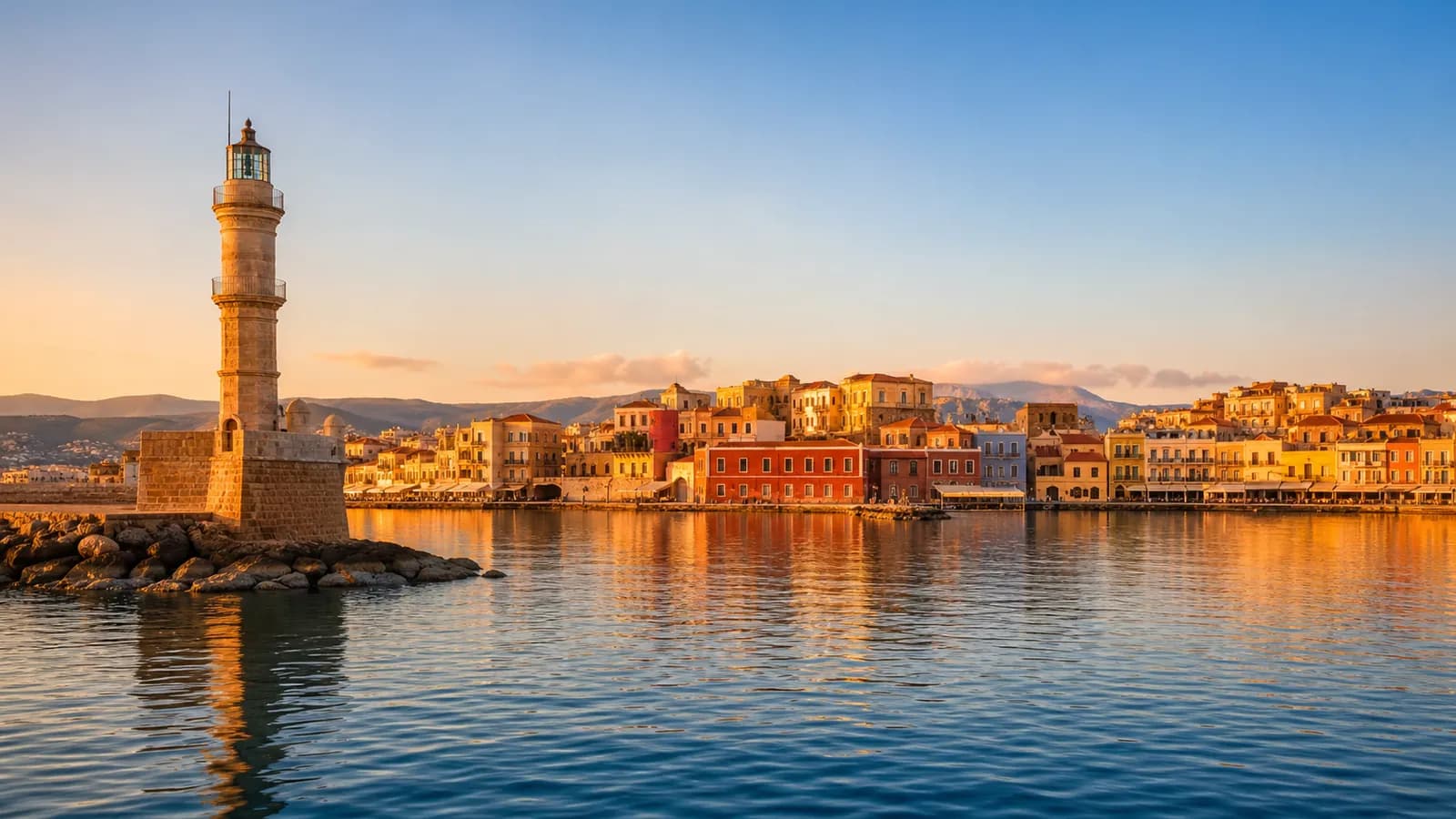
The 15-minute stroll out along the mole gives the classic view back over the pastel harbour; go as the light turns gold.
They do not take bookings and it gets packed; the fried small fish come with a free raki and sweet to finish.
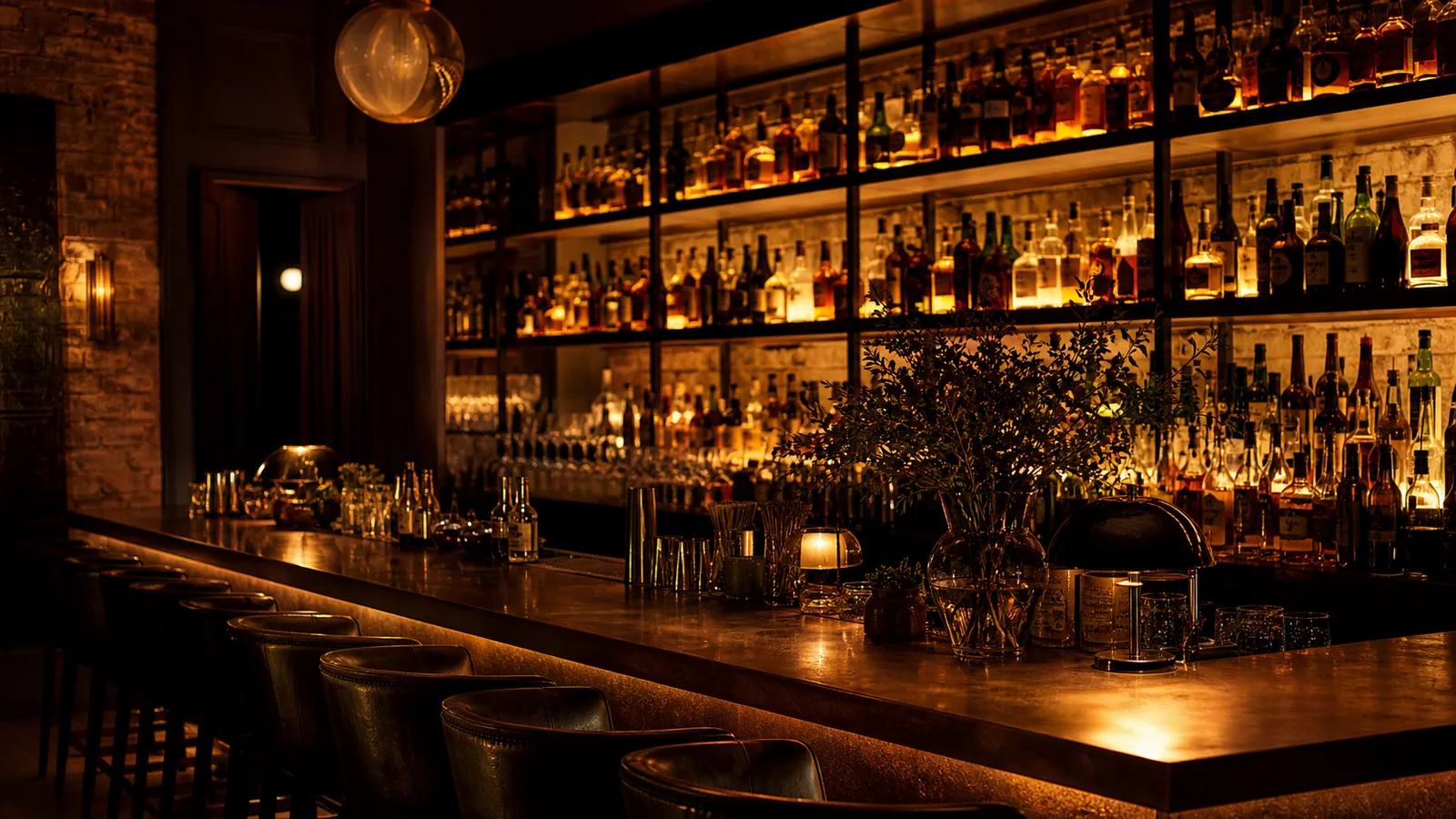
Some nights there is live Cretan lyra; settle in with a last raki and apaki smoked pork by the water.

The postcard heart of Crete, a curve of pastel Venetian facades ending at a 16th-century Egyptian-built lighthouse; walk the breakwater to it near sunset for the best light and fewest crowds.


A grand cross-shaped 1913 market hall stacked with Cretan cheeses, honey, herbs and raki; come in the morning to graze and buy mizithra and thyme honey before the tour groups arrive.

The sprawling Bronze Age Minoan palace of King Minos and the labyrinth legend, its throne room and dolphin frescoes controversially restored by Arthur Evans; buy the joint ticket with the museum and go at opening to beat heat and coaches.

One of the great museums of Greece, holding the actual Minoan treasures, the Phaistos Disc, snake goddesses and bull-leaping frescoes; see it before or after Knossos to make sense of the ruins.

The squat Venetian sea fort guarding Heraklion's old harbour, its ramparts giving a fine view back over the city and out to sea; combine it with a stroll along the mole where locals fish at dusk.

Europe's longest gorge, a demanding 16km descent through the White Mountains to the Libyan Sea at Agia Roumeli; start at dawn, wear real shoes, and note it opens only May to October and ends with a boat and bus ride back.
A perennially busy meze spot near the market where the fried gavros and small fish arrive with a complimentary raki and dessert; no bookings, so turn up hungry and patient.


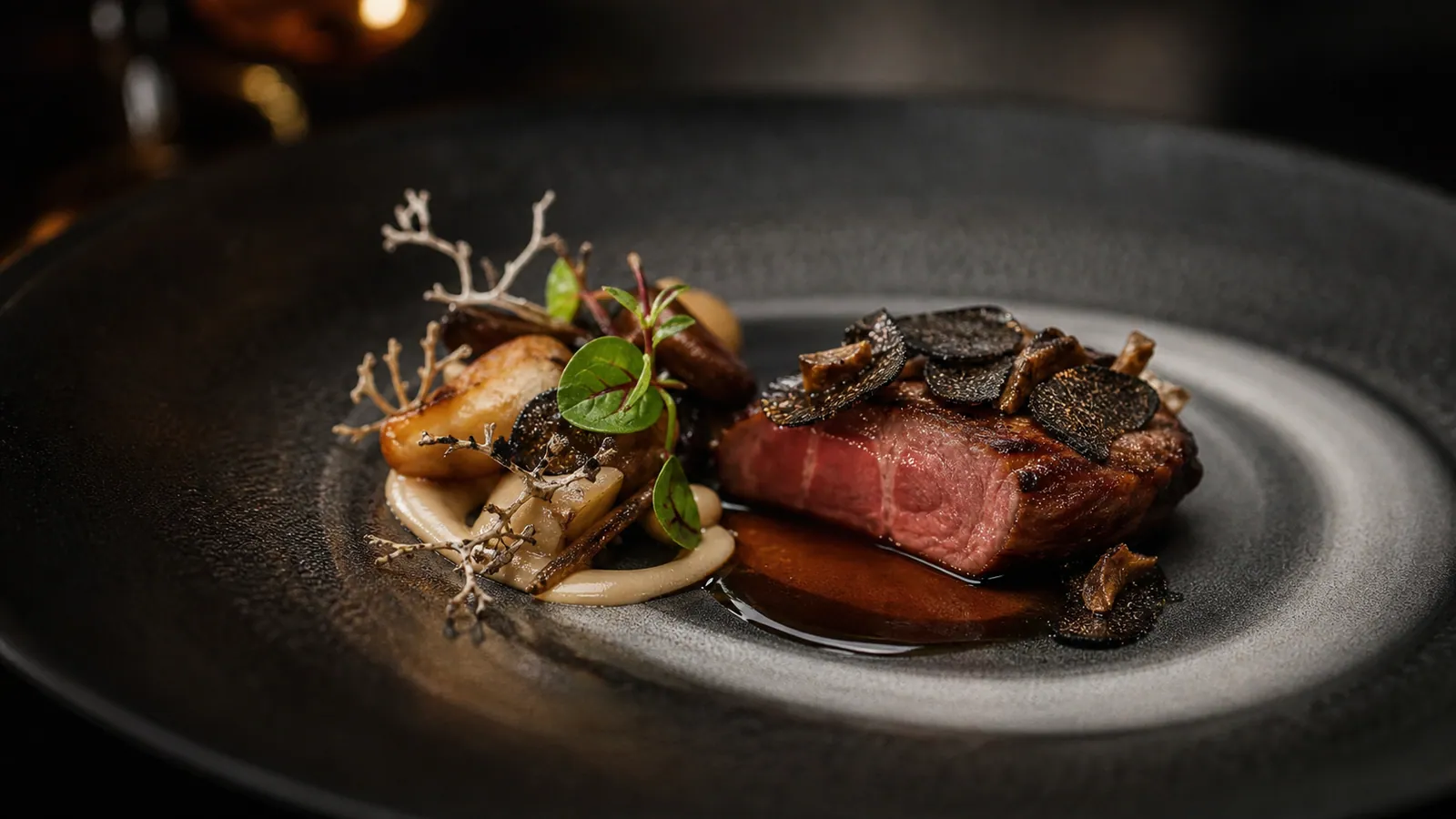
Tucked in the old Splantzia quarter, a stone-walled room serving spice-forward lamb, mezze and Middle Eastern accents beside a genuine Ottoman well; book ahead in high season.

One of the more reliable tables right on the Venetian harbour, with live Cretan lyra some nights and hearty apaki smoked pork and staka on the menu; ask for a table by the water.
You're reading the free preview. Members get the full Crete guide, every spot mapped and built into ready-to-walk 1, 3 & 7-day plans, plus 100+ cities across Europe.
$49 a year, under $1 a week. Less than one tourist-trap coffee.
Cancel anytime · keep access until your term ends
Create your account at checkout. · Already a member? Sign in