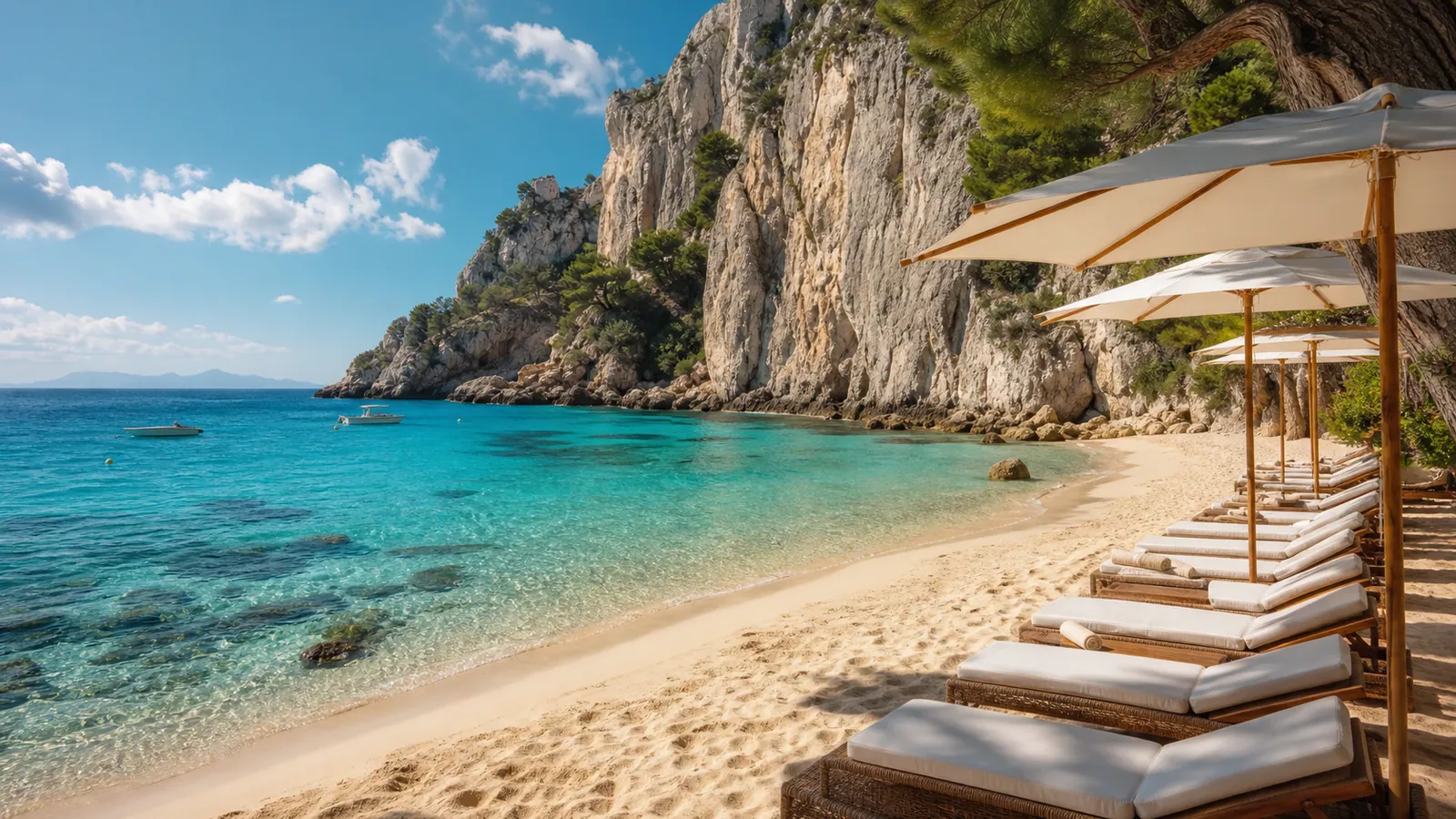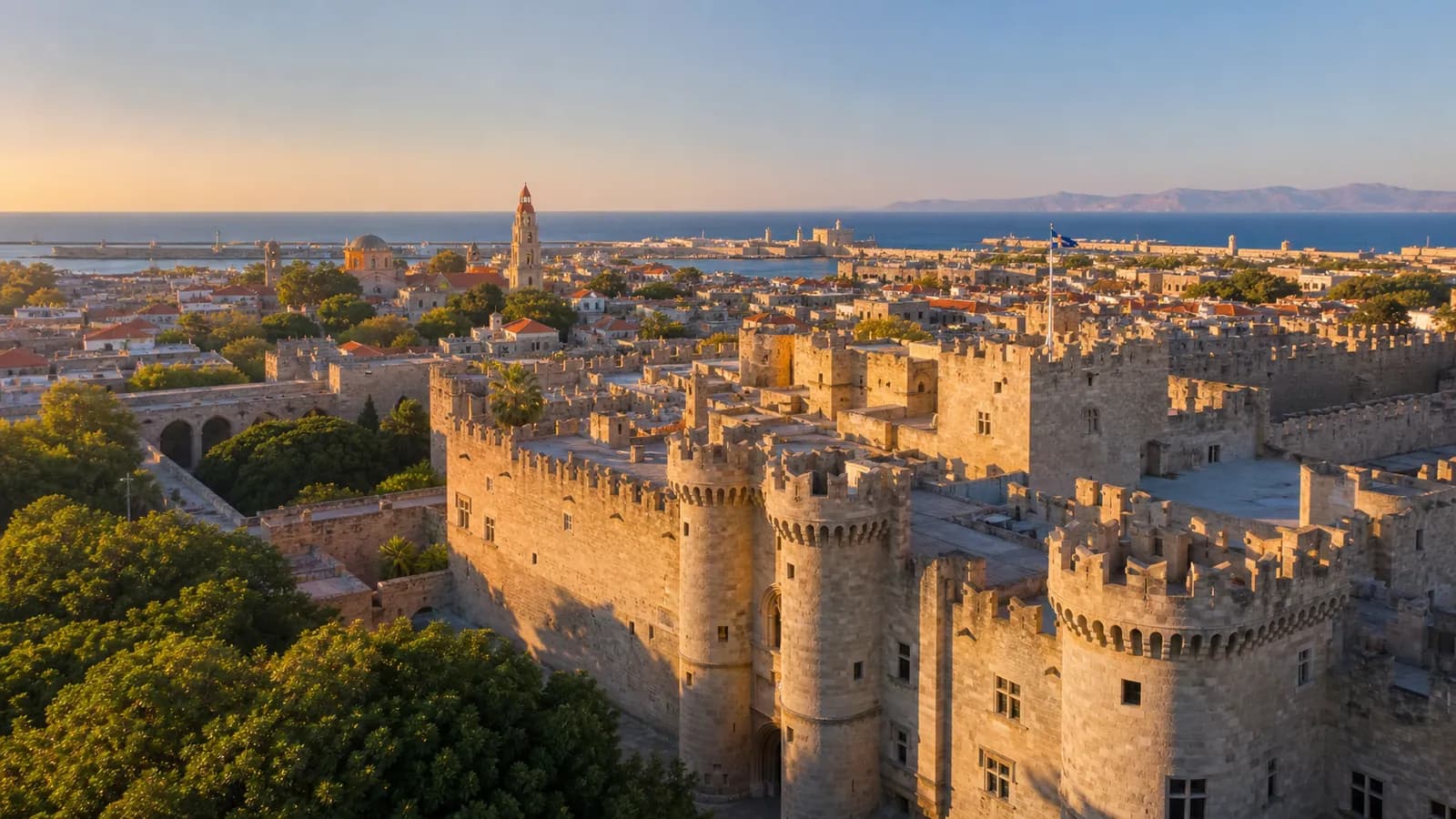

Rhodes is really two islands in one: a medieval walled city in the north that the Knights of St John raised as a crusader stronghold, and a long sun-baked coastline of beaches, ancient acropoleis and white-cubed villages running south. Start in the Old Town, the largest inhabited medieval town in Europe, where the cobbled Street of the Knights and the Palace of the Grand Master conjure the 14th century, then step out to Mandraki Harbour, where the Colossus once stood and bronze deer now guard the entrance. The trick is to time the Old Town for early morning or evening, because cruise ships disgorge crowds into its lanes from mid-morning. Hire a car for the south, where Lindos and its clifftop Acropolis of Athena Lindia sit about 47km away, and the west coast hides Ancient Kamiros and the Valley of the Butterflies. Eat pitaroudia chickpea fritters, grilled fresh fish, melekouni sesame-honey bars and a shot of local souma spirit. Rhodes rewards those who slow down: rise with the light, retreat from the midday heat, and let the long Aegean evenings do the rest.
A full, walkable day in Rhodes, free for everyone. Set your pace and start time.
Mornings are magical here; cruise groups pour in from about 10:00, so start early and grab a coffee in a shaded square.
Go right at opening to have the mosaic halls to yourself; the two history exhibitions inside are worth the extra time.
The cobbled Ippoton descends from the palace; look up at the carved coats of arms on the knights' inns as you go.
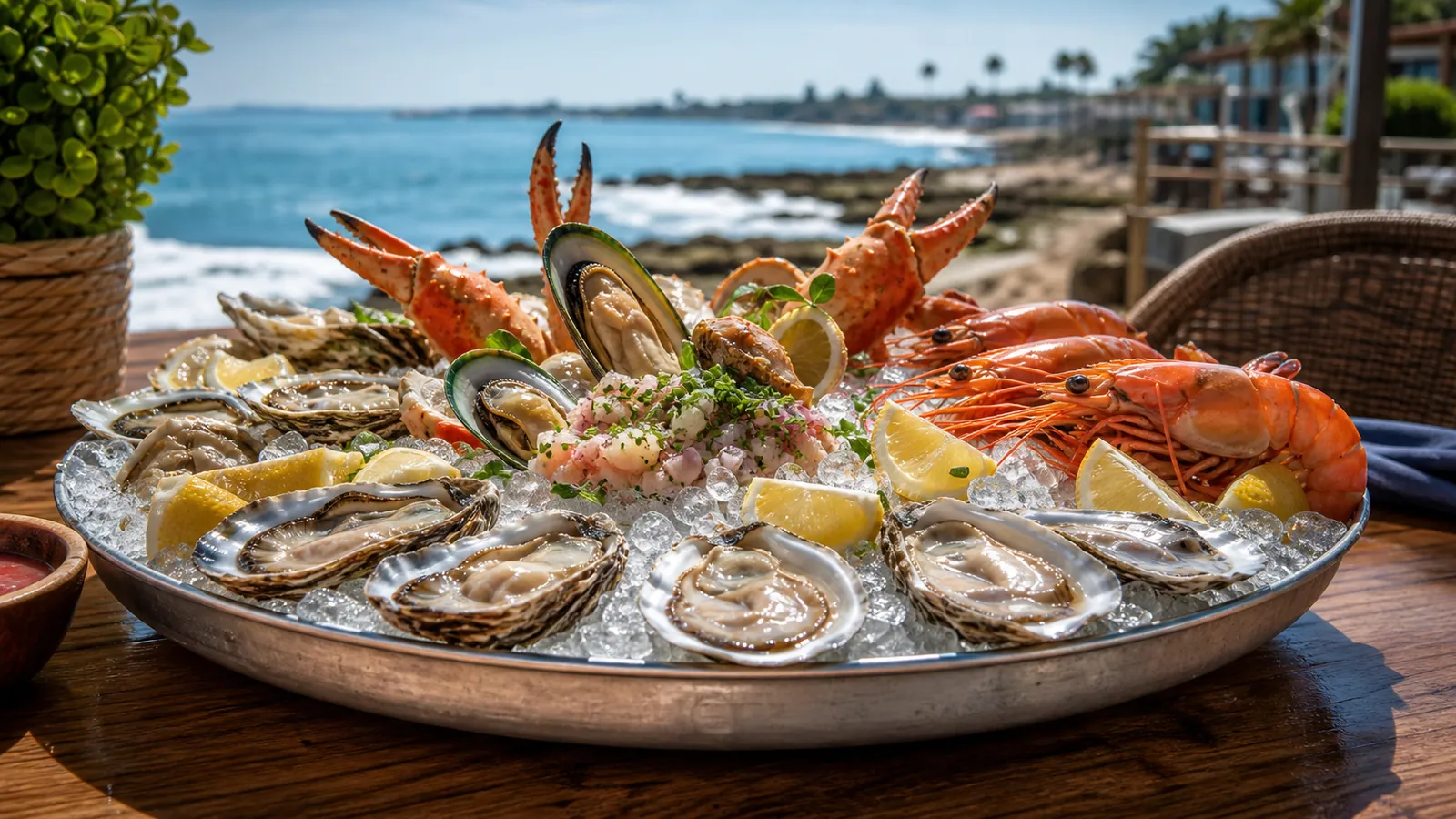
Order the fresh grilled fish and shrimp saganaki; book ahead in summer as the tables fill fast.
The Colossus is said to have stood at the harbour mouth; walk out along the mole past the three windmills.
The site is free and open; the temple of Apollo columns glow at golden hour with the sea behind.
Set in the Marco Polo Mansion; reserve for the candlelit garden and let the kitchen guide you through Rhodian dishes.

The largest inhabited medieval town in Europe, a UNESCO-listed maze of knightly lanes, gates and Ottoman minarets ringed by 4km of walls - walk it at dawn or dusk before and after the cruise crowds.


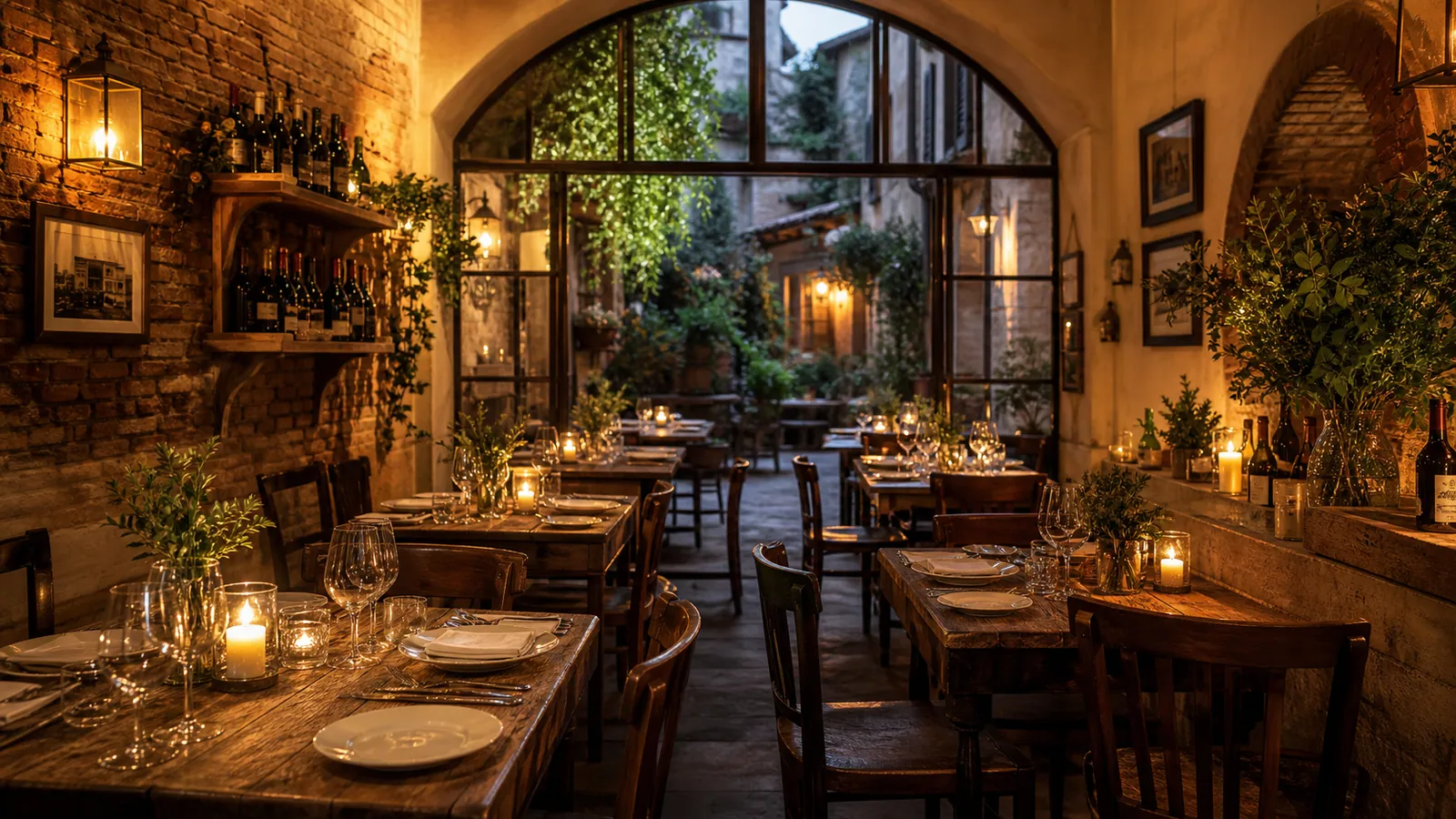
Romantic candlelit garden inside the Marco Polo Mansion, a restored Ottoman house in the Old Town, serving inventive Rhodian cooking in a jasmine-scented courtyard - reserve for dinner.

The Grand Masters Palace, a mighty crusader fortress rebuilt by the Italians with Roman mosaic floors and grand halls - go early and don't miss the two permanent history exhibitions inside.

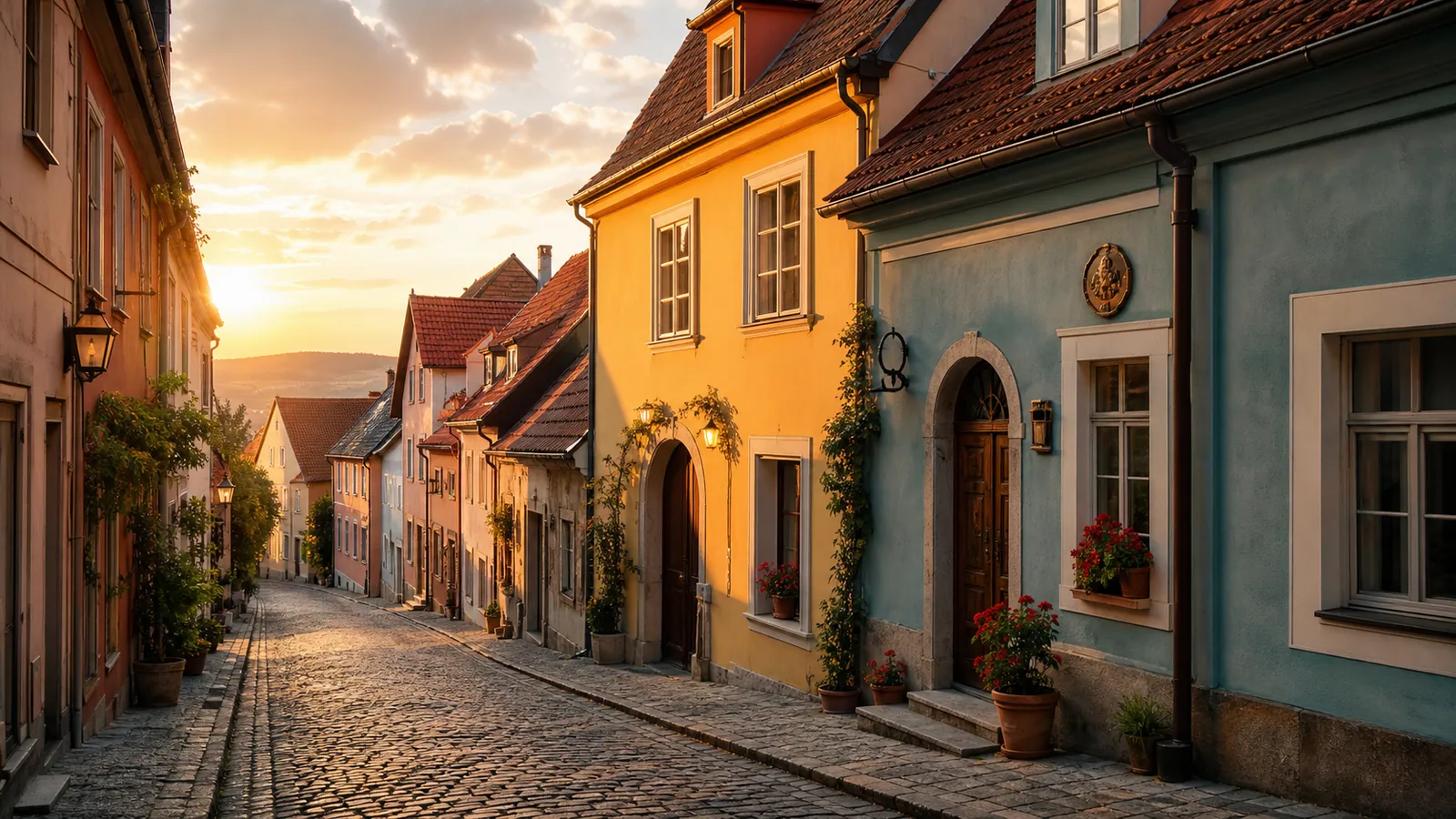
The cobbled Ippoton, a beautifully preserved medieval street lined with the inns of the Knights' different tongues climbing to the palace - quietest and most atmospheric in early morning light.

The elegant old harbour where the Colossus of Rhodes is said to have stood, now guarded by bronze deer statues and three windmills - stroll it at golden hour past the fishing boats.

Housed in the Knights' grand 15th-century hospital, home to the delicate marble Aphrodite of Rhodes and ancient grave finds - a cool, shaded refuge from the midday sun.

The dramatic clifftop Acropolis crowned by the Temple of Athena Lindia, reached by a steep stepped lane through the white village - climb early, wear proper shoes, and skip the donkey ride uphill in the heat.
Long-running fish taverna on a quiet Old Town lane, famous for fresh grilled catch, shrimp saganaki and vine-shaded tables away from the crowds - book in high season.

Beloved family taverna in a leafy garden just outside the walls, cooking honest Rhodian home food and mezedes with a warm local crowd - one of the island's most authentic tables.


You're reading the free preview. Members get the full Rhodes guide, every spot mapped and built into ready-to-walk 1, 3 & 7-day plans, plus 100+ cities across Europe.
$49 a year, under $1 a week. Less than one tourist-trap coffee.
Cancel anytime · keep access until your term ends
Create your account at checkout. · Already a member? Sign in