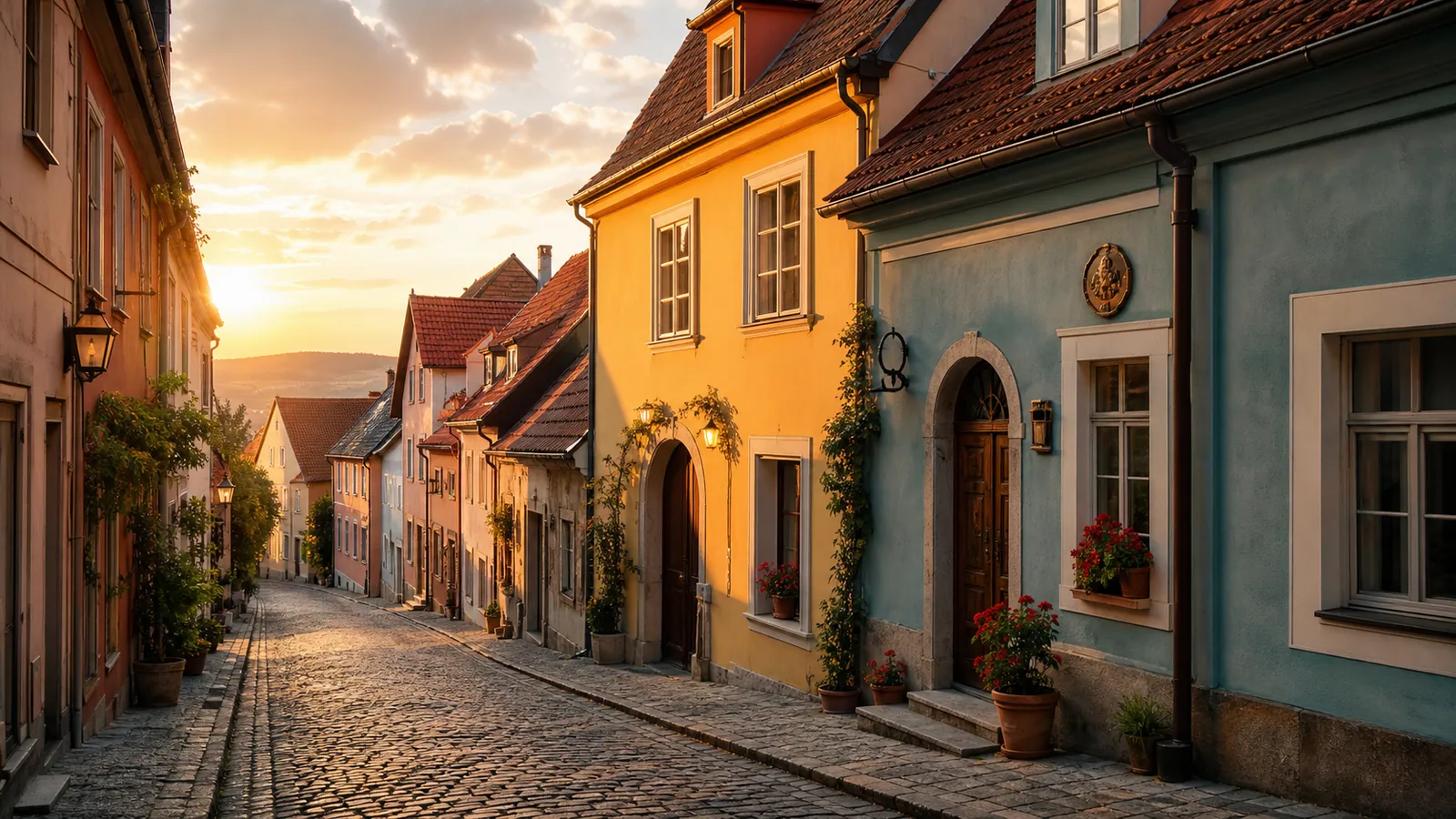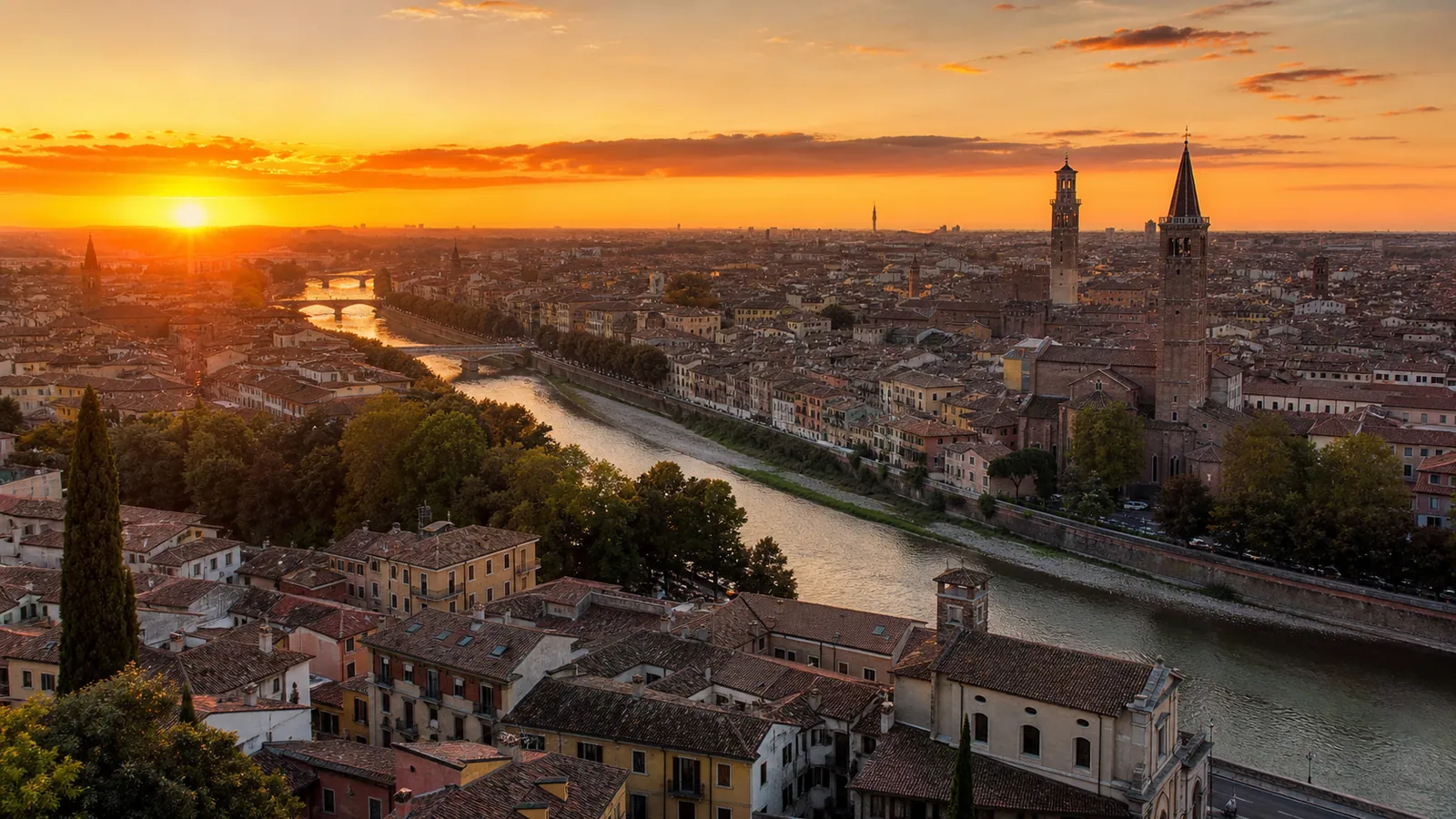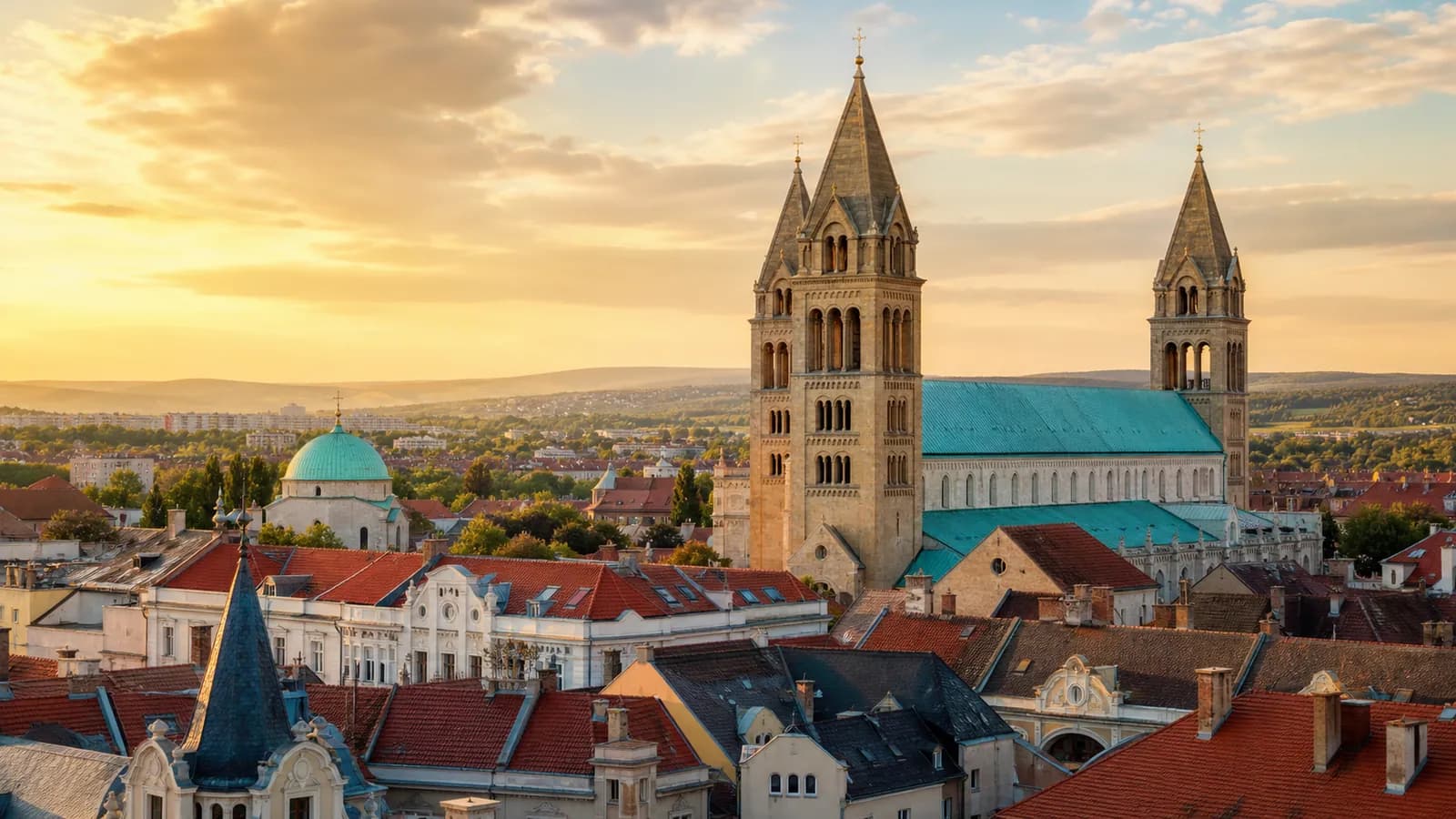

Pecs is the mellow, sun-warmed capital of southern Hungary, a university town where two thousand years of history layer up in a compact, walkable centre. Roman Christians left a UNESCO-listed necropolis of painted burial chambers, the Ottomans left the largest surviving mosque in the country, now a church, and the Zsolnay porcelain dynasty left glazed tiles glinting on rooftops all over town. The rhythm here is relaxed and southern: long coffees on Szechenyi ter, an easy amble between museums, and a climb into the surrounding Mecsek hills for air and views. Base yourself in the old town within the medieval walls and you can reach almost everything on foot. Pecs keeps civilised hours, so tackle the churches and museums by day, then let the student-fuelled cafe and cellar scene take over after dark. Give it two or three days to appreciate the mix of Roman, Turkish, Habsburg and Zsolnay heritage, and to slip out to the villages and vineyards of the Villany wine road nearby. It is one of Hungary's most cultured and least hurried cities.
A full, walkable day in Pécs, free for everyone. Set your pace and start time.
Start with a coffee at Mecsek Cukrasda's Zsolnay-tiled cafe, then step into the Mosque of Pasha Qasim as it opens.
Free or a small donation; look for the surviving mihrab and Islamic arches beneath the Catholic fittings.
Buy the combined cathedral and treasury ticket; the four-towered basilica and its crypt are the city's landmark.
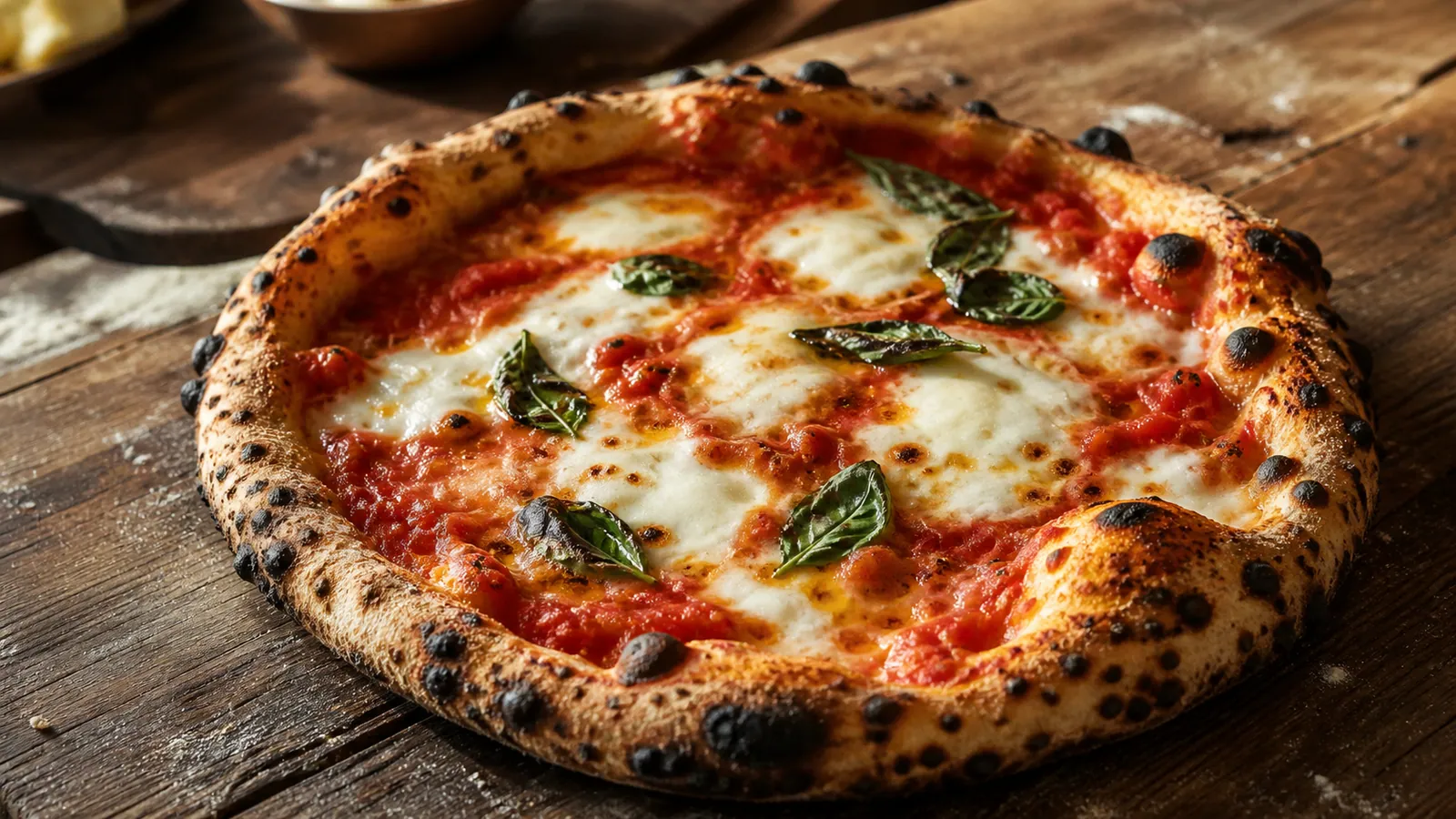
Wood-fired pizza and pasta on a pretty square, a longtime local favourite; go early to beat the student rush.
See the vast, dreamlike canvases of Hungary's most singular painter, a short walk from the cathedral.
Take the little quarter train or a short taxi; explore the porcelain museum, kilns and family mausoleum.
Return to the centre for a seasonal tasting and a glass of Villany red; book ahead as it is small.

The largest surviving Ottoman mosque in Hungary, now a Catholic church, its green dome dominating Szechenyi ter with Islamic arches still visible inside, step in to see the mix.


Long-loved trattoria on a pretty little square doing proper wood-fired pizza and fresh pasta, buzzy and reliable, a student and local staple.

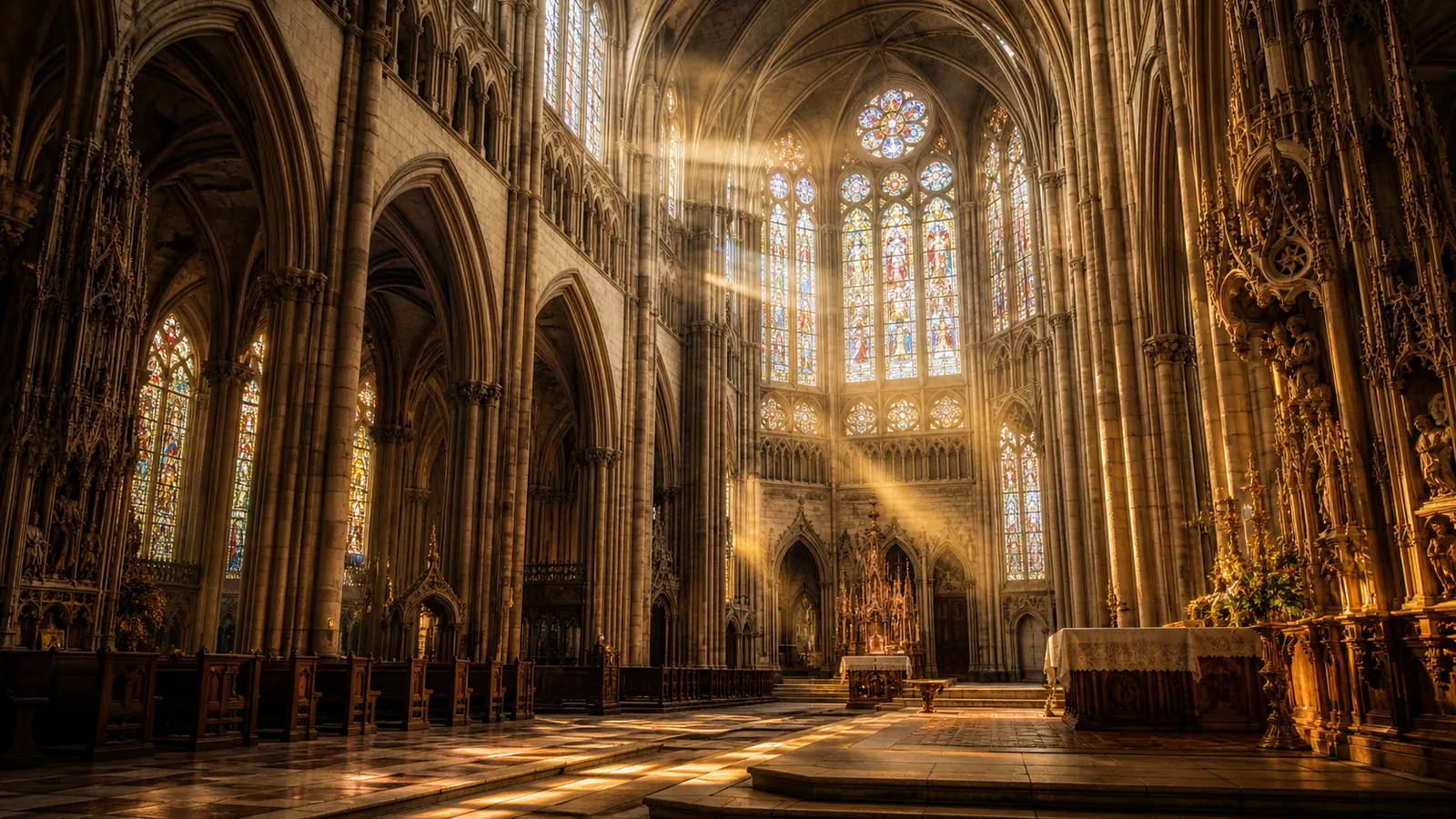
The grand four-towered Basilica of Saints Peter and Paul, Romanesque at heart with a lavish 19th-century interior, and a crypt beneath, allow time for the treasury.

A UNESCO-listed complex of 4th-century painted Roman burial chambers underground, the Jug Mausoleum and the Peter-Paul tomb, one of Europe's finest early Christian sites.

The restored former Zsolnay porcelain factory turned museum-and-arts district, with the famous glazed ceramics, kilns and family mausoleum, ride the little train from the centre.

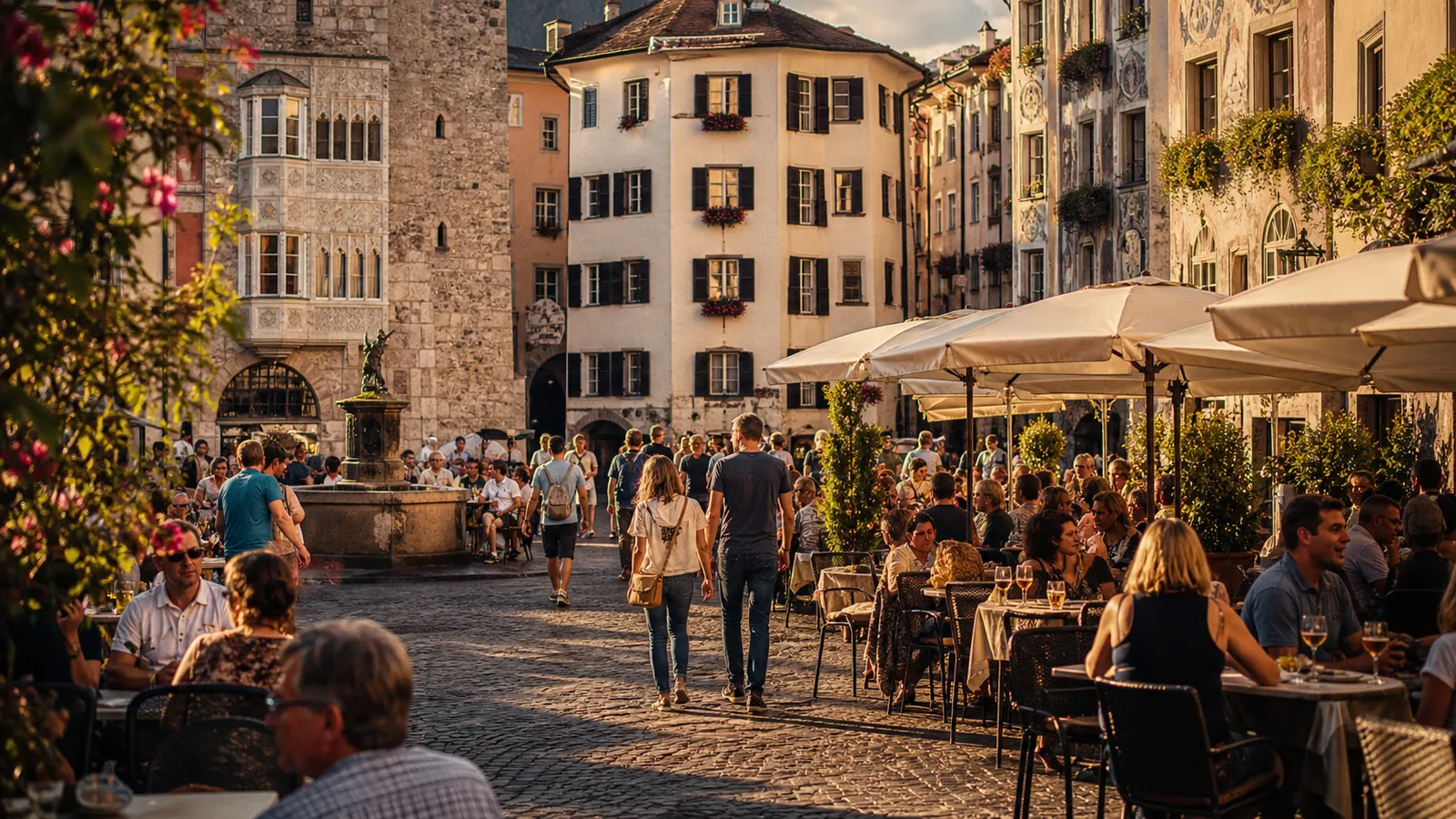
The sloping main square crowned by the former mosque, ringed with cafes and the Trinity column, the natural hub of city life, best over a morning coffee.

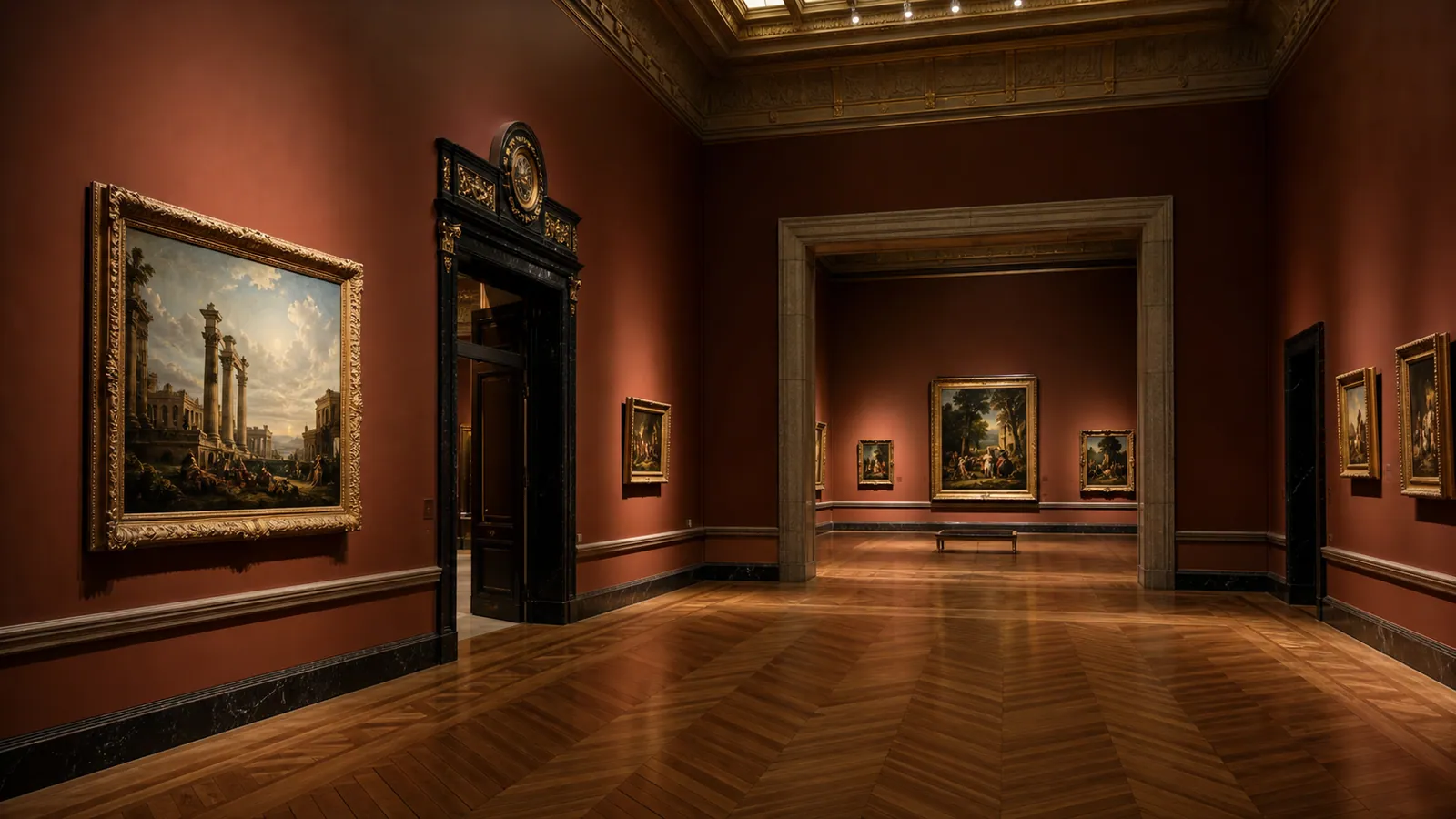
A gallery devoted to the visionary Hungarian painter Tivadar Csontvary Kosztka, whose huge, dreamlike canvases are national treasures, a must for art lovers.
The Owl's Castle serves hearty Hungarian classics, catfish paprikash and game stews, in a folksy setting a little above the centre.

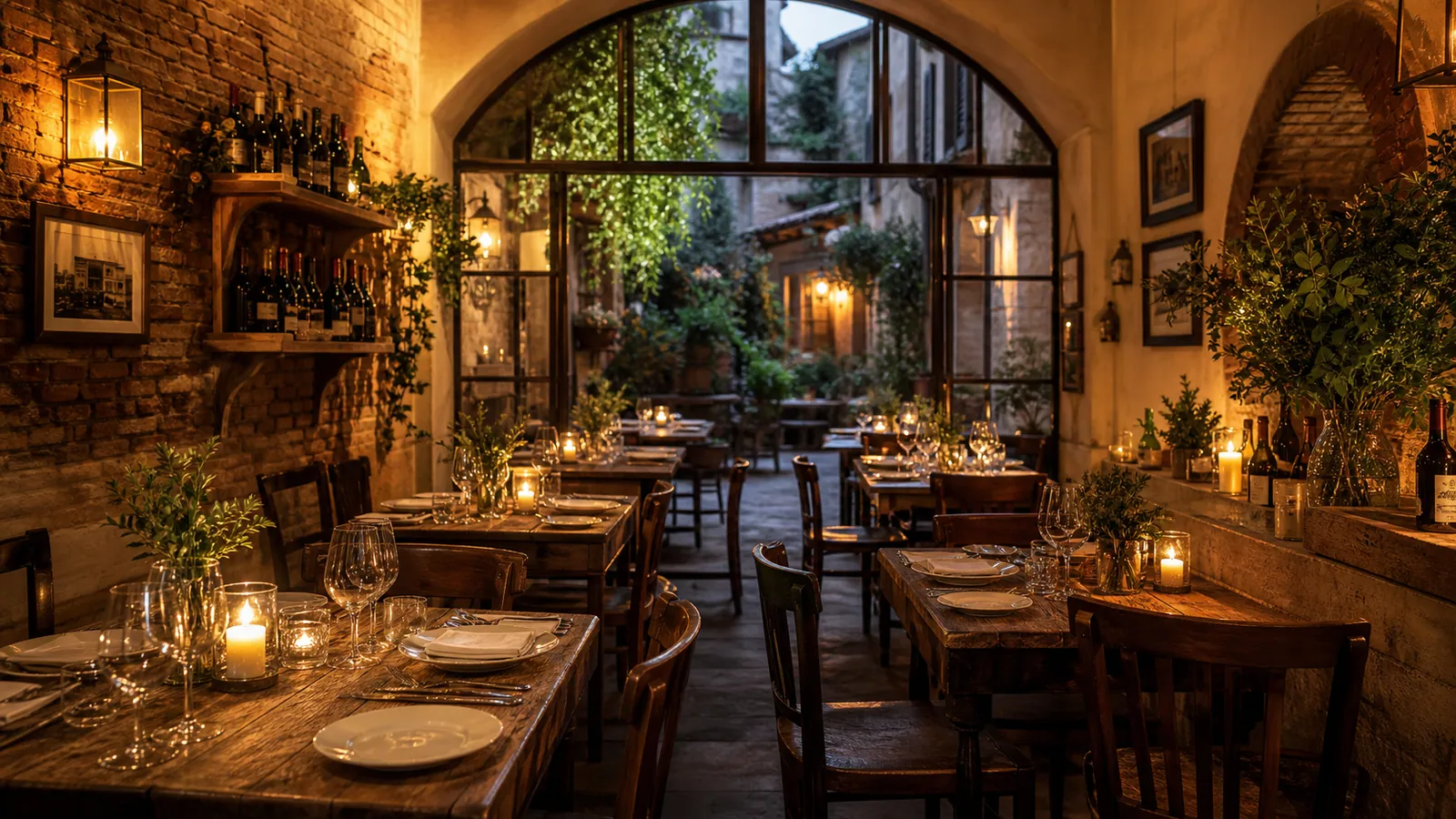
Contemporary bistro with a short, seasonal menu and a smart local wine list, one of the most creative kitchens in town, worth booking.

Atmospheric cellar-style spot leaning into southern and Balkan flavours, cevapi and grilled meats, with generous plates and warm service.

A leafy Ottoman-themed courtyard serving Turkish and Hungarian grills, a nod to the city's centuries under Turkish rule.
You're reading the free preview. Members get the full Pécs guide, every spot mapped and built into ready-to-walk 1, 3 & 7-day plans, plus 100+ cities across Europe.
$49 a year, under $1 a week. Less than one tourist-trap coffee.
Cancel anytime · keep access until your term ends
Create your account at checkout. · Already a member? Sign in