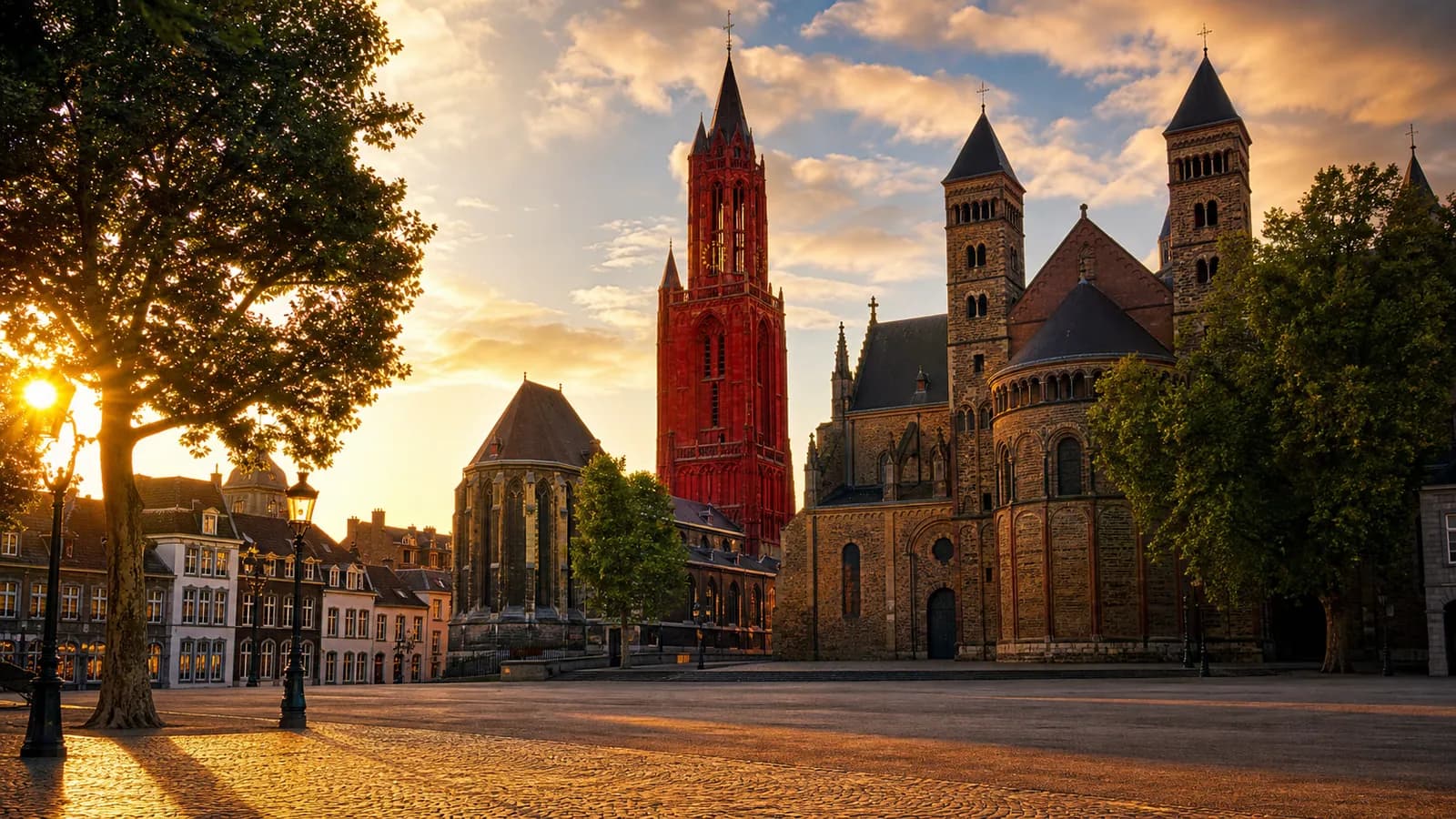

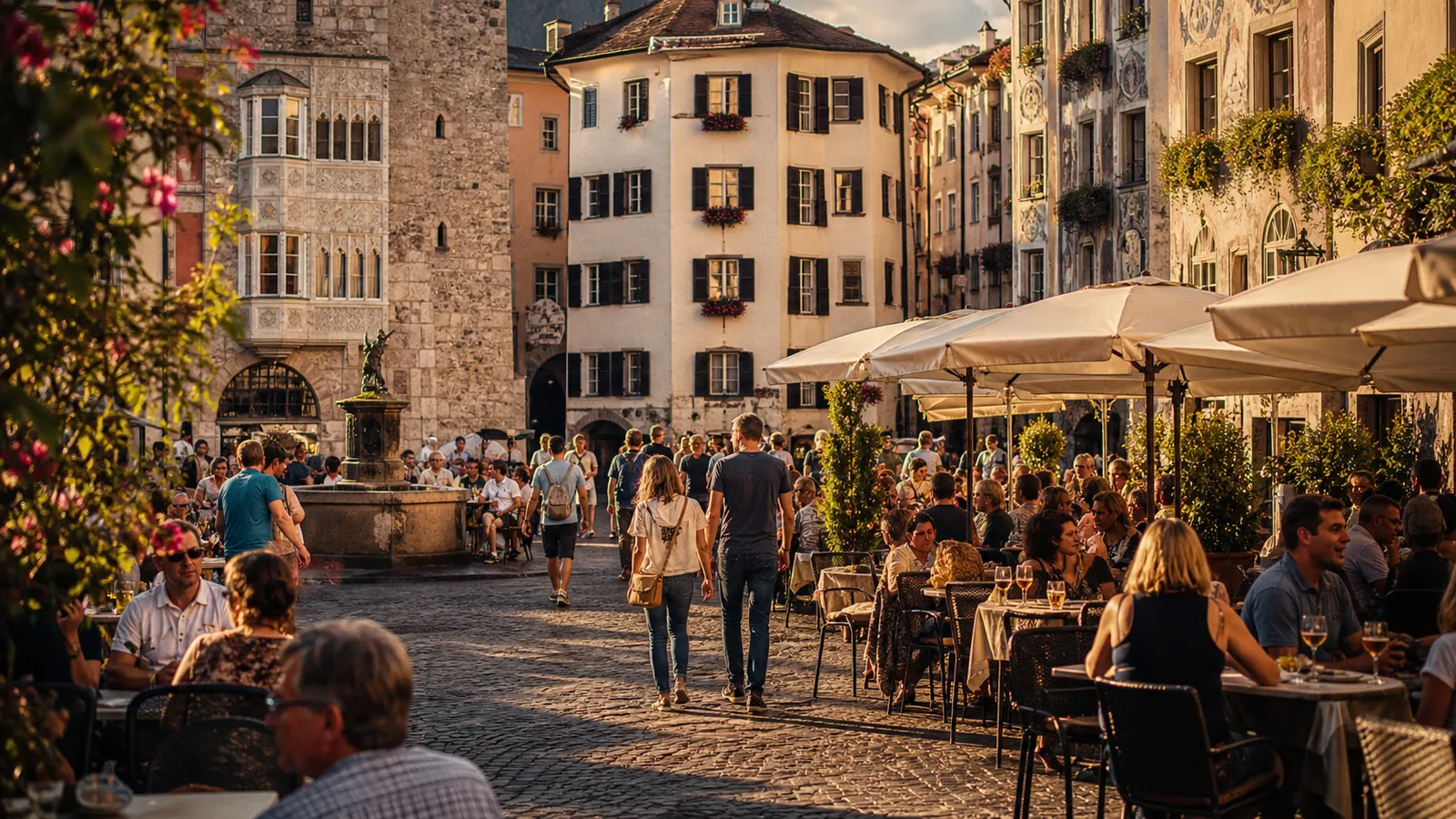
Maastricht sits in the far south, wedged between Belgium and Germany, and feels only half Dutch: this is Burgundian Netherlands, a Roman-founded city of squares, cafes and a good-living lilt closer to the Rhineland than to Amsterdam. The Maas river splits it in two, the grand old town on the west bank and the buzzy, boutique-filled Wyck quarter on the east, joined by the medieval Sint Servaasbrug. Approach it the local way: slowly, over food and wine. Long lunches on the Vrijthof or the Onze-Lieve-Vrouweplein, an afternoon in a bookshop built inside a Gothic church, a wander through the tunnels and casemates that riddle the hills, and an evening of Limburg vlaai and a Belgian-strong beer. The centre is walkable in twenty minutes, and much of it is car-free. Note that Maastricht keeps southern hours, with shops opening late on Monday and a proper lunch pause in smaller places, and that the city fills for Carnival in February and the TEFAF art fair in spring. Give it a couple of days, follow your nose, and let its easy Burgundian rhythm do the rest.
A full, walkable day in Maastricht, free for everyone. Set your pace and start time.
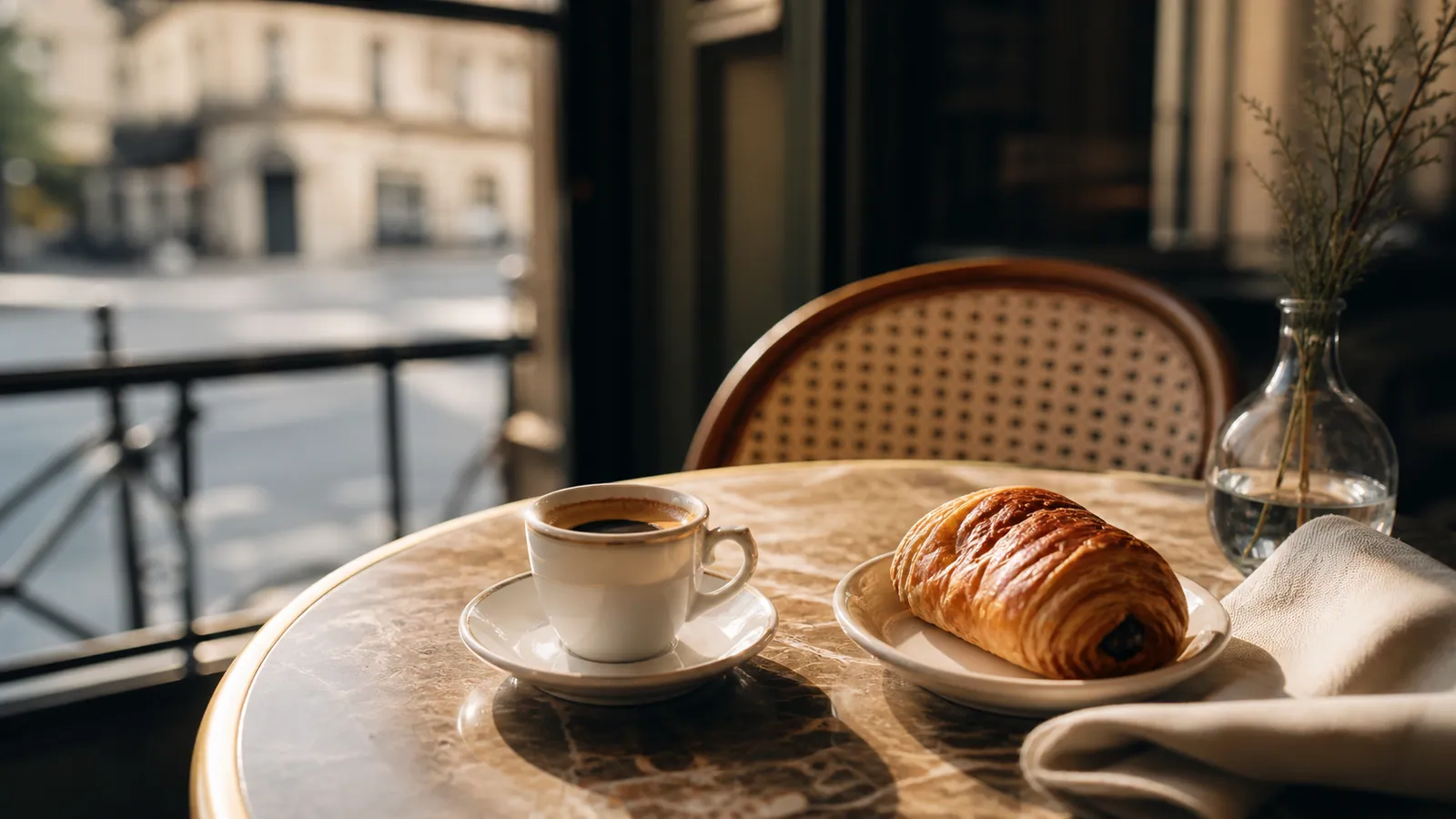
Grab a table under the plane trees before the square fills; a strong coffee and the calm are the point.
Step into the candlelit pilgrim chapel just inside the entrance; the Treasury is worth the small extra ticket.
Climb the steel bookcase for the nave view, then have a coffee in the old choir at the back.
A 25-minute uphill walk or a short bus; bring a jacket as the caves stay cold, and take a guided tunnel tour.
Walk the oldest bridge in the country, then browse the boutiques of the Rechtstraat on the east bank.
A warm slice of Limburgse vlaai by the working watermill; if closed, retreat to Cafe de Bobbel for a jenever.
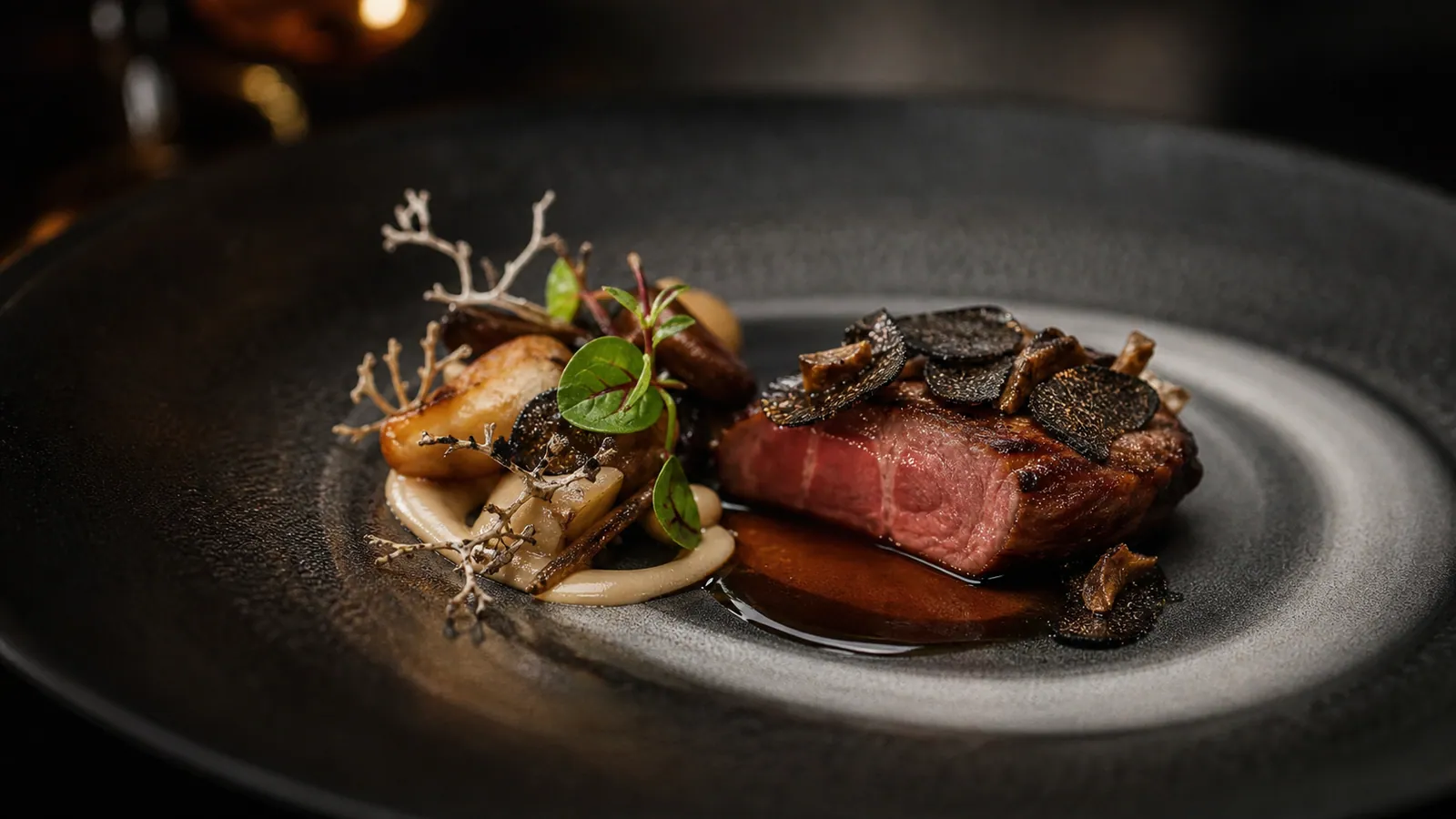
Maastricht's Michelin star on the river; book well ahead and take the tasting menu with pairing.


A snug, always-full cafe famed for regional Limburg cooking like zuurvlees (sweet-sour braised beef) with fries; no reservations downstairs, so arrive early or wait with a beer.

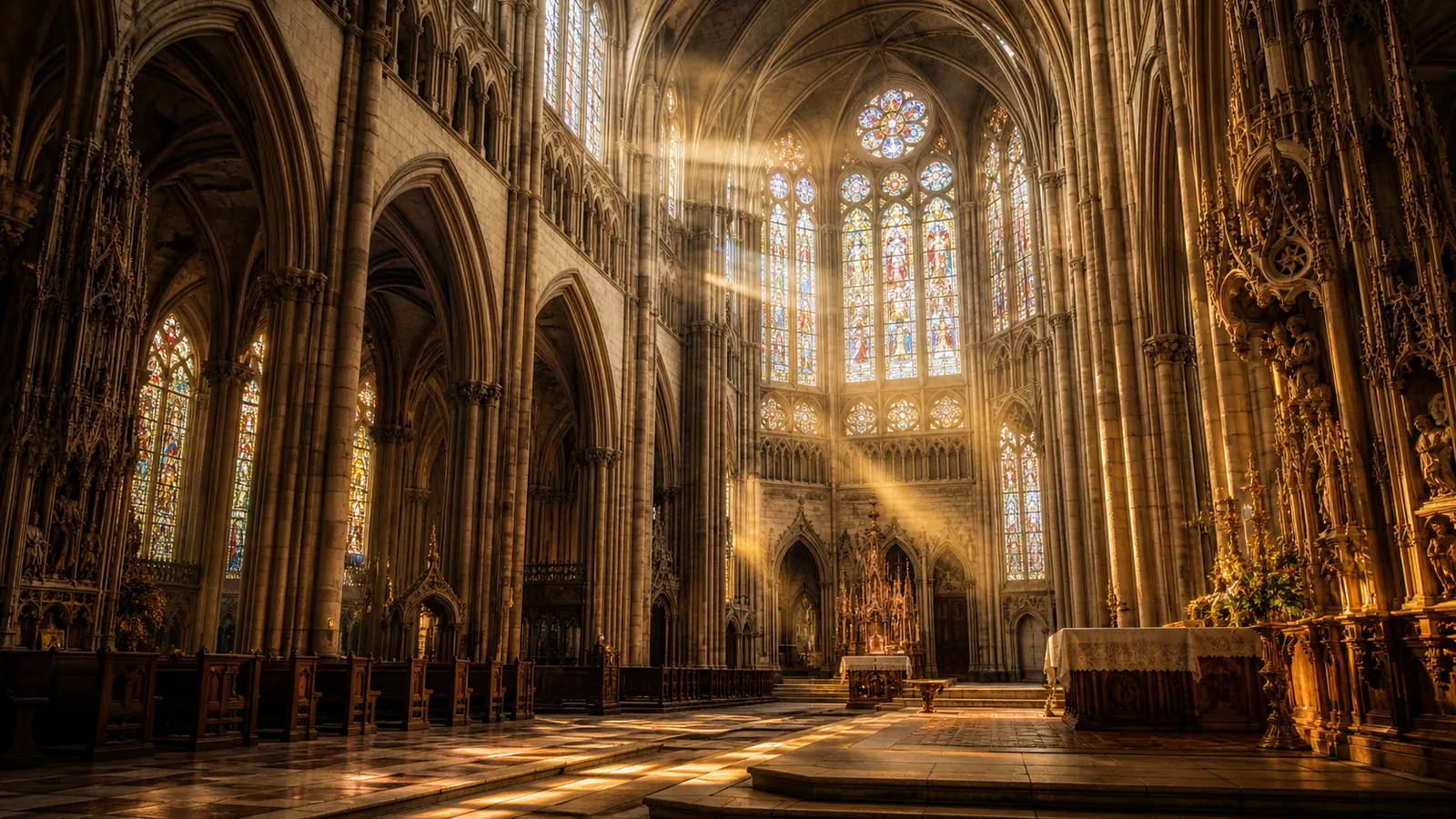
The Netherlands' oldest church, over the tomb of Saint Servatius, with a lavish Treasury of medieval gold and reliquaries; climb or peer up at the towers on the Vrijthof.

A fortress-like Romanesque church whose candlelit Star of the Sea chapel draws a constant stream of pilgrims; the leafy square outside is one of the city's prettiest.

A bookshop set inside a soaring 13th-century Gothic Dominican church, with a multi-storey steel bookcase up the nave; browse, then have coffee in the old choir.

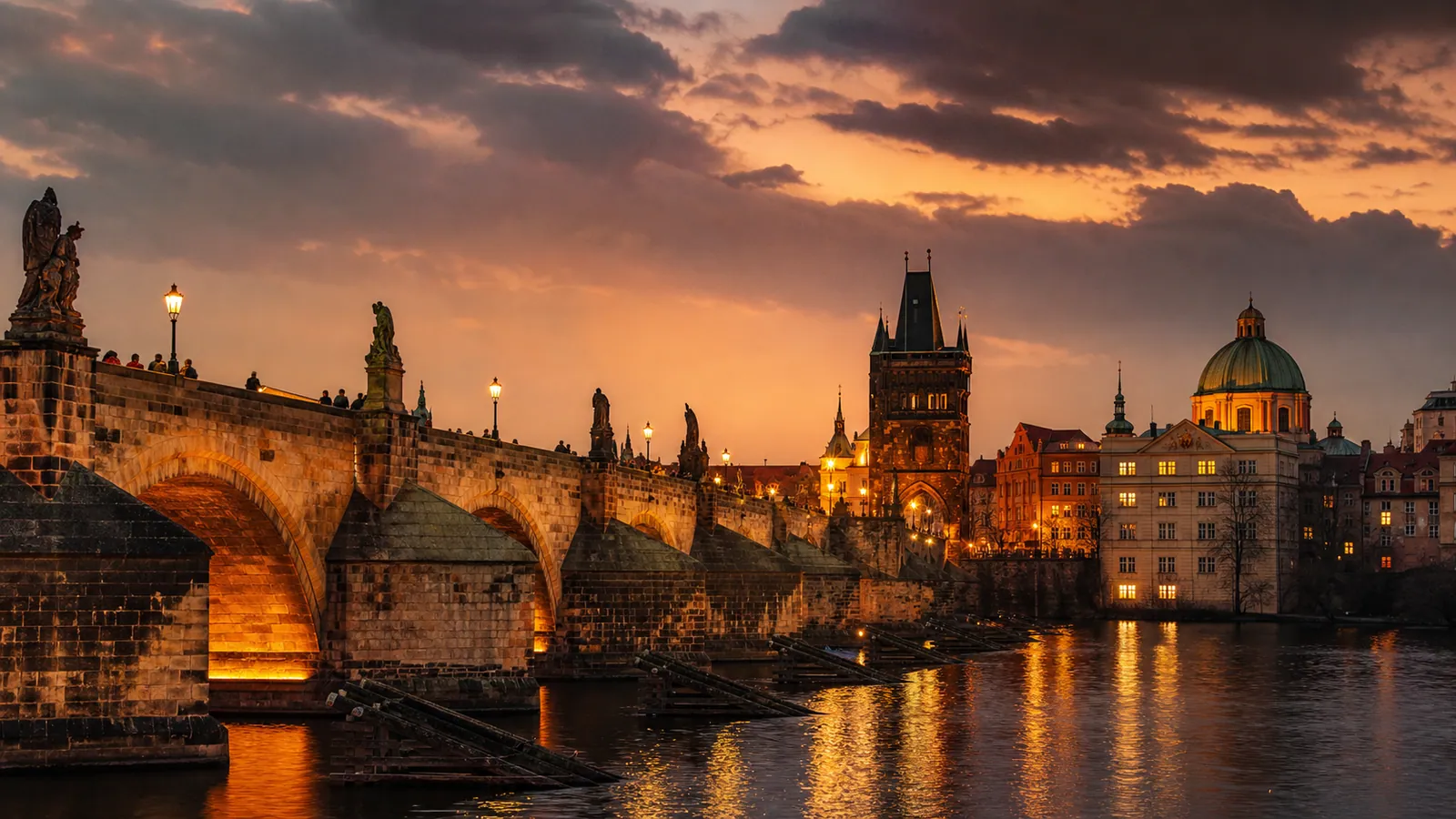
The seven-arched medieval stone bridge over the Maas, the oldest in the country, linking the old town to Wyck; walk it at dusk for lit reflections on the river.

An 18th-century pentagonal fort atop the Sint-Pietersberg hill above miles of man-made marl caves; take a guided cave tour (bring a jacket, it is cold) for the tunnels and hidden art.
Maastricht's Michelin-starred, playful fine-dining room on the Maas island, with inventive tasting menus and river views; book well ahead.

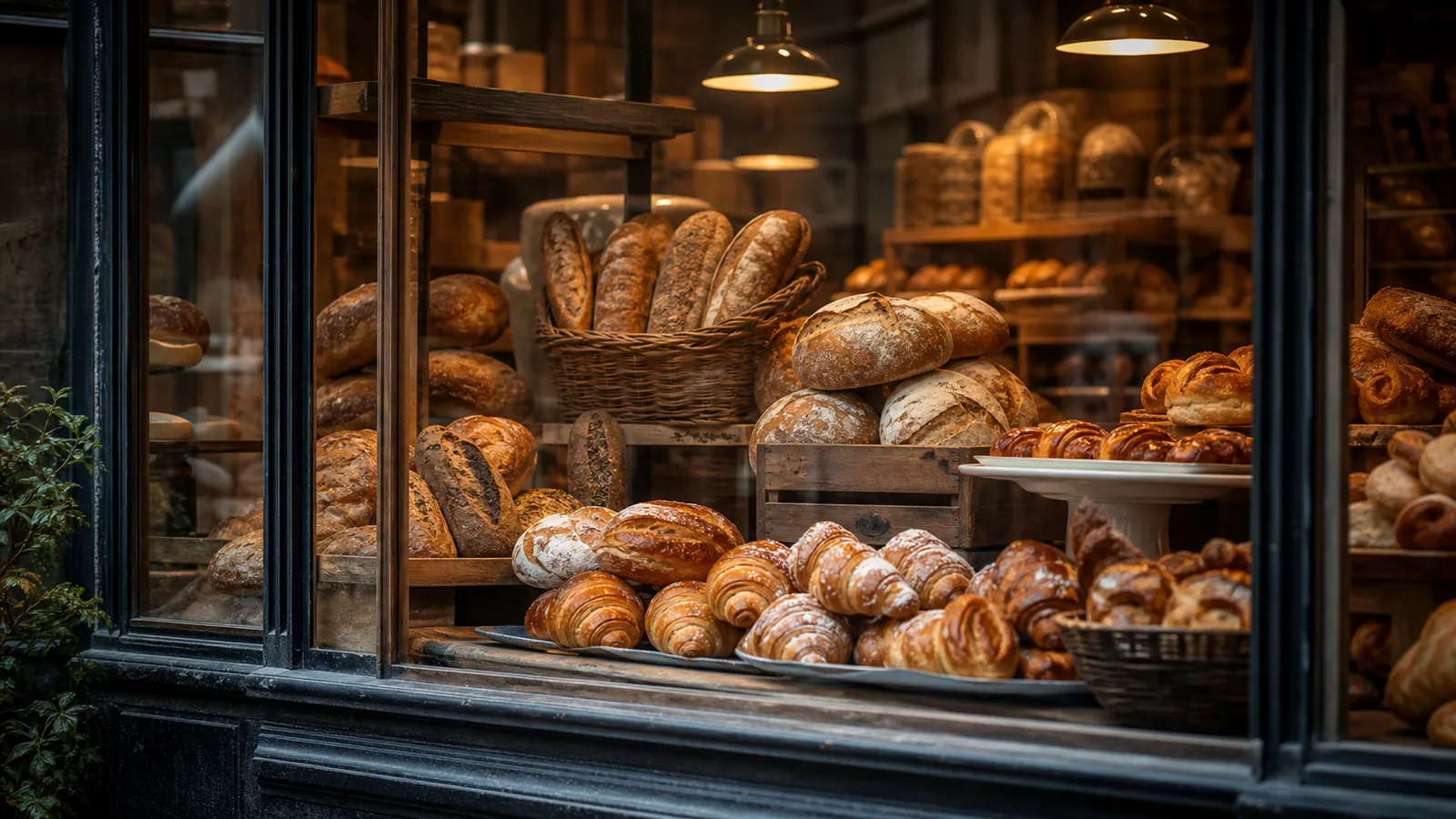
A working watermill and bakery down a lane, where the leaking waterwheel still grinds flour for the city's best Limburgse vlaai (fruit tart); eat a warm slice in the courtyard.

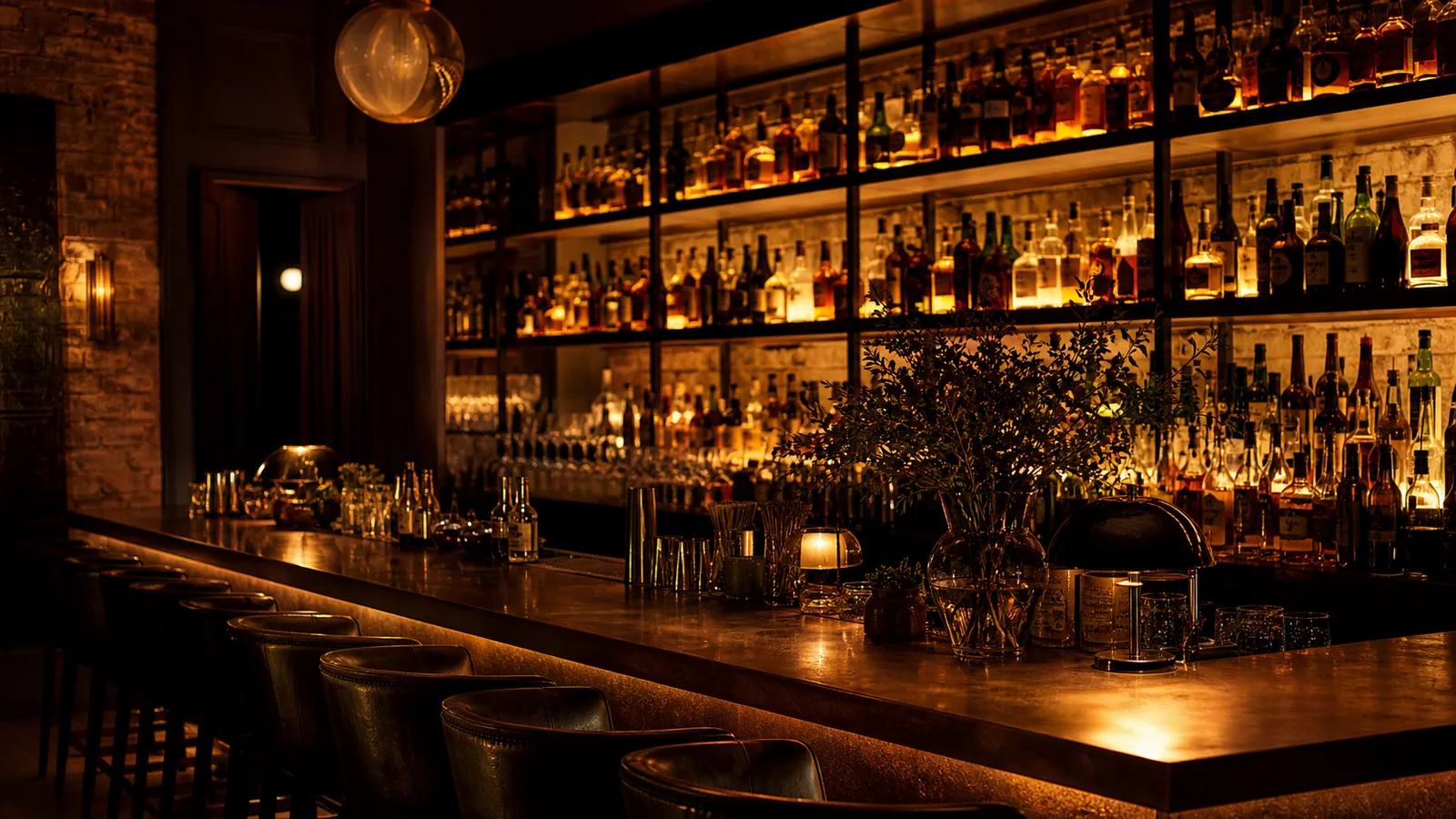
A gloriously unchanged 1930s brown cafe with a tiled floor and a hatch kitchen, serving hearty Dutch snacks, a jenever and the local gossip; a real institution.

A relaxed cafe in the former Tapijn barracks by the city park, good for a laid-back lunch and a terrace beer among students and families.
You're reading the free preview. Members get the full Maastricht guide, every spot mapped and built into ready-to-walk 1, 3 & 7-day plans, plus 100+ cities across Europe.
$49 a year, under $1 a week. Less than one tourist-trap coffee.
Cancel anytime · keep access until your term ends
Create your account at checkout. · Already a member? Sign in