- Getting around
- The Hague runs on an excellent tram and bus network operated by HTM, with trams 1 and 9 the key lines linking the centre to Scheveningen beach; pay by tapping a contactless card or OV-chipkaart in and out. The compact government-and-museum centre is walkable, and bikes are easy to rent, but distances to the coast make trams the smart choice. Two main stations, Den Haag Centraal and the through-station Hollands Spoor, connect fast to Rotterdam and Delft in 10 to 25 minutes and Amsterdam and Schiphol in under an hour. Schiphol is the nearest big airport, about 30 minutes by direct train. Rotterdam The Hague Airport is smaller and reachable by bus.
- Money
- The euro is used throughout, and The Hague is largely cashless, with contactless cards and phones taken almost everywhere and many places card-only. A few market stalls, herring carts and small cafes still prefer PIN debit, and some spots decline foreign credit cards, so keep a little cash handy. Service is included in prices, so tipping is discretionary; rounding up or leaving about 5 to 10 percent for good restaurant service is appreciated, and none is expected on drinks or street snacks. Reckon on roughly 3 to 4 euro for a coffee and 4 to 6 for a beer, with the diplomatic centre pricier than the suburbs.
- Safety
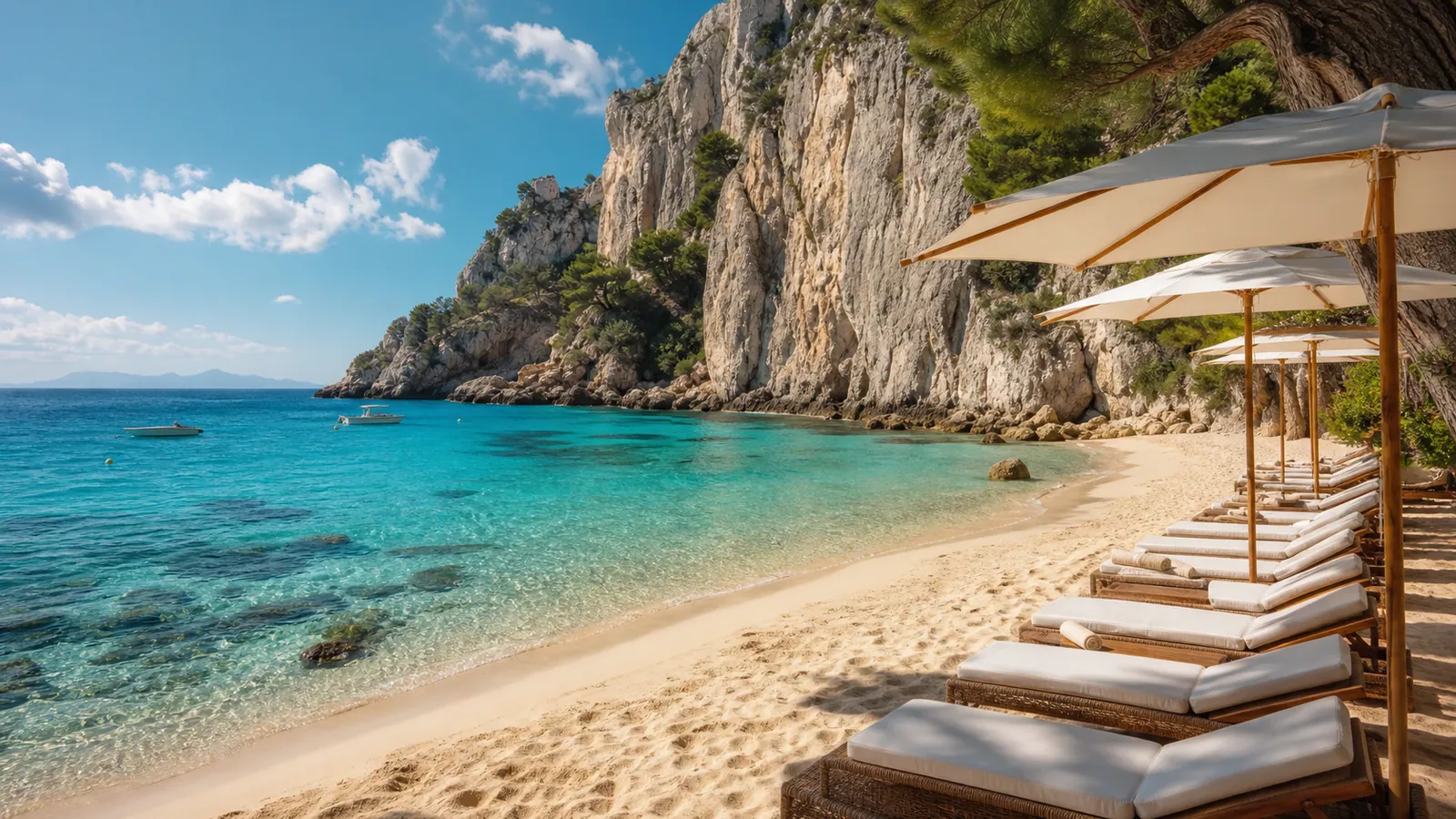
- The Hague is a safe, orderly city with a strong official presence, and serious crime is uncommon. The usual caution against pickpockets applies around Centraal station, busy trams and the Scheveningen boardwalk in high season, so keep bags zipped and close. At the beach, respect the flags and lifeguards, as North Sea currents and cold water can be dangerous, and watch the weather, which turns windy and wet quickly. Cyclists move fast in dedicated lanes, so look before crossing them. Terrain is flat and easy, and demonstrations occasionally gather near the ministries but are peaceful and easily avoided.
- Best season
- Late spring to early autumn, May to September, is best, when the beach comes alive, terraces open and the parks and dunes are at their greenest; July and August are warmest but busiest at the coast. King's Day on 27 April is a huge national celebration, and the city's cultural calendar peaks in summer. Spring brings blossom and the nearby Keukenhof tulip gardens, an easy excursion. Autumn is quieter and often crisp and clear. Winters are cold, grey and windy, but the museums, cosy restaurants and festive lights make short days worthwhile; book ahead around King's Day and summer weekends.
- Where to stay
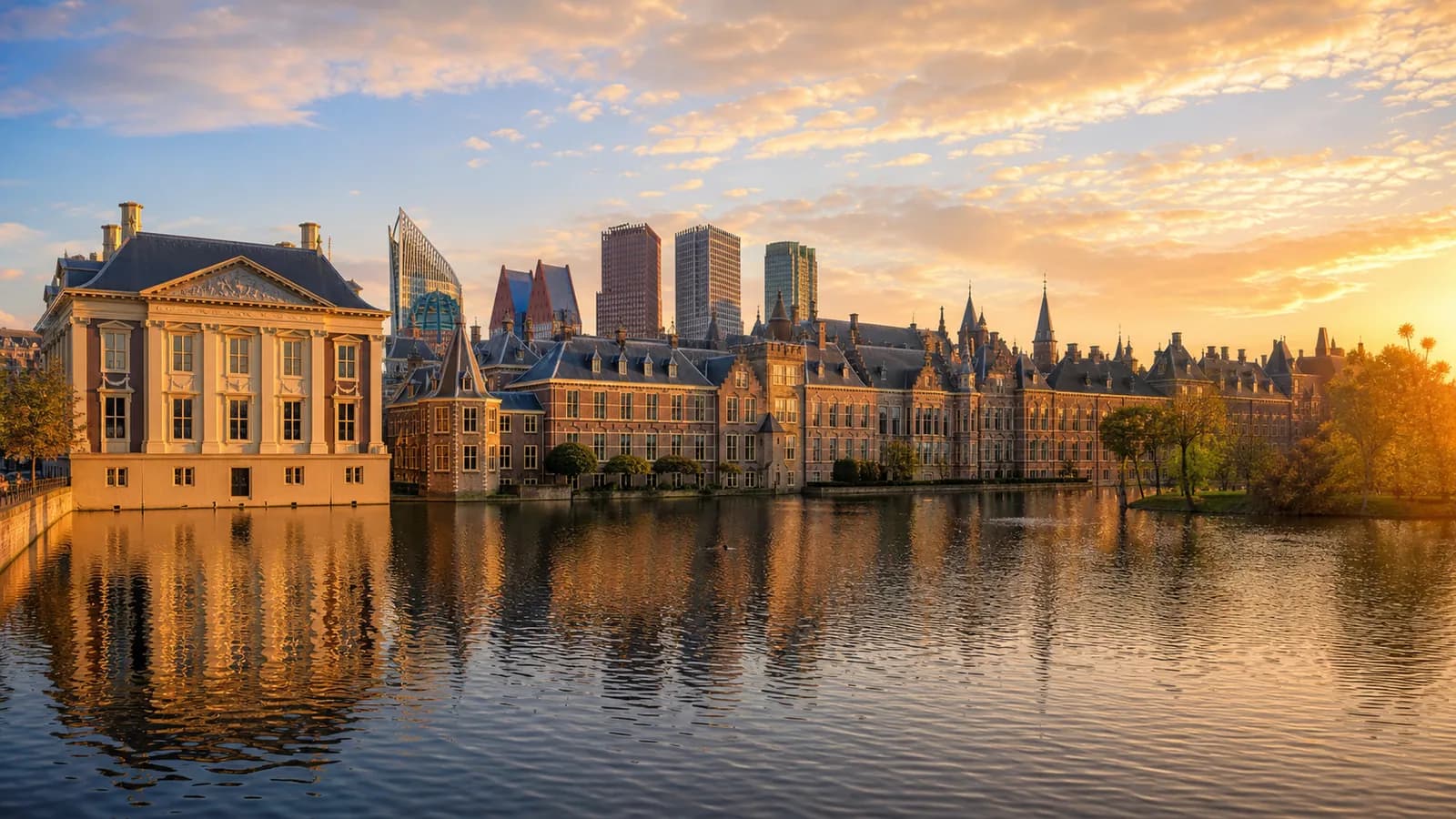
- The Centrum around the Mauritshuis and Binnenhof is ideal for first-timers who want museums and government landmarks on the doorstep, plus fast trams and trains. The Zeeheldenkwartier just west is the most characterful base, full of independent restaurants, delis and boutiques with an easy local feel. For a seaside stay, Scheveningen offers beachfront hotels and sea views, lively in summer and calmer off-season, a short tram from the centre. The elegant Statenkwartier and Zorgvliet near the Kunstmuseum and Peace Palace suit those wanting leafy, upmarket calm.
 Netherlands