- Getting around
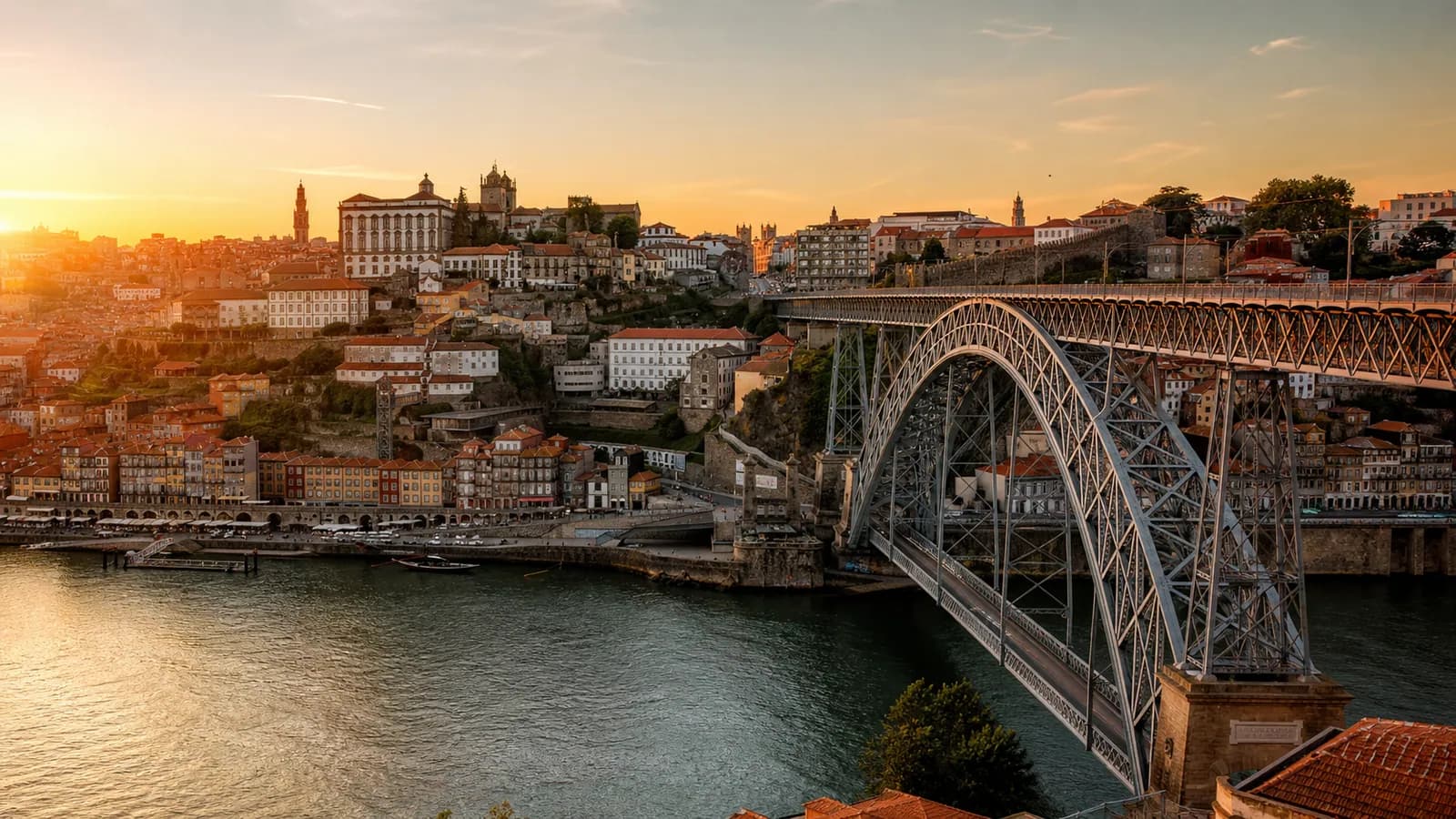
- Porto's historic core is compact but brutally hilly, so plan walking routes downhill towards the river and use transport back up. The clean, modern metro has six lines that share the upper deck of Ponte Luis I and run out to the airport on the purple line, a cheap 45-minute ride into town. Buses, the vintage tram 1 to Foz, and the Guindais funicular up from the Ribeira fill the gaps; buy a rechargeable Andante card and validate every trip, or tap a contactless card on buses. Trains from Sao Bento and Campanha stations reach Guimaraes, Braga and the Douro Valley. Wear proper shoes for steep, slippery cobbles, and use taxis or Uber for the climb home after dinner.
- Money
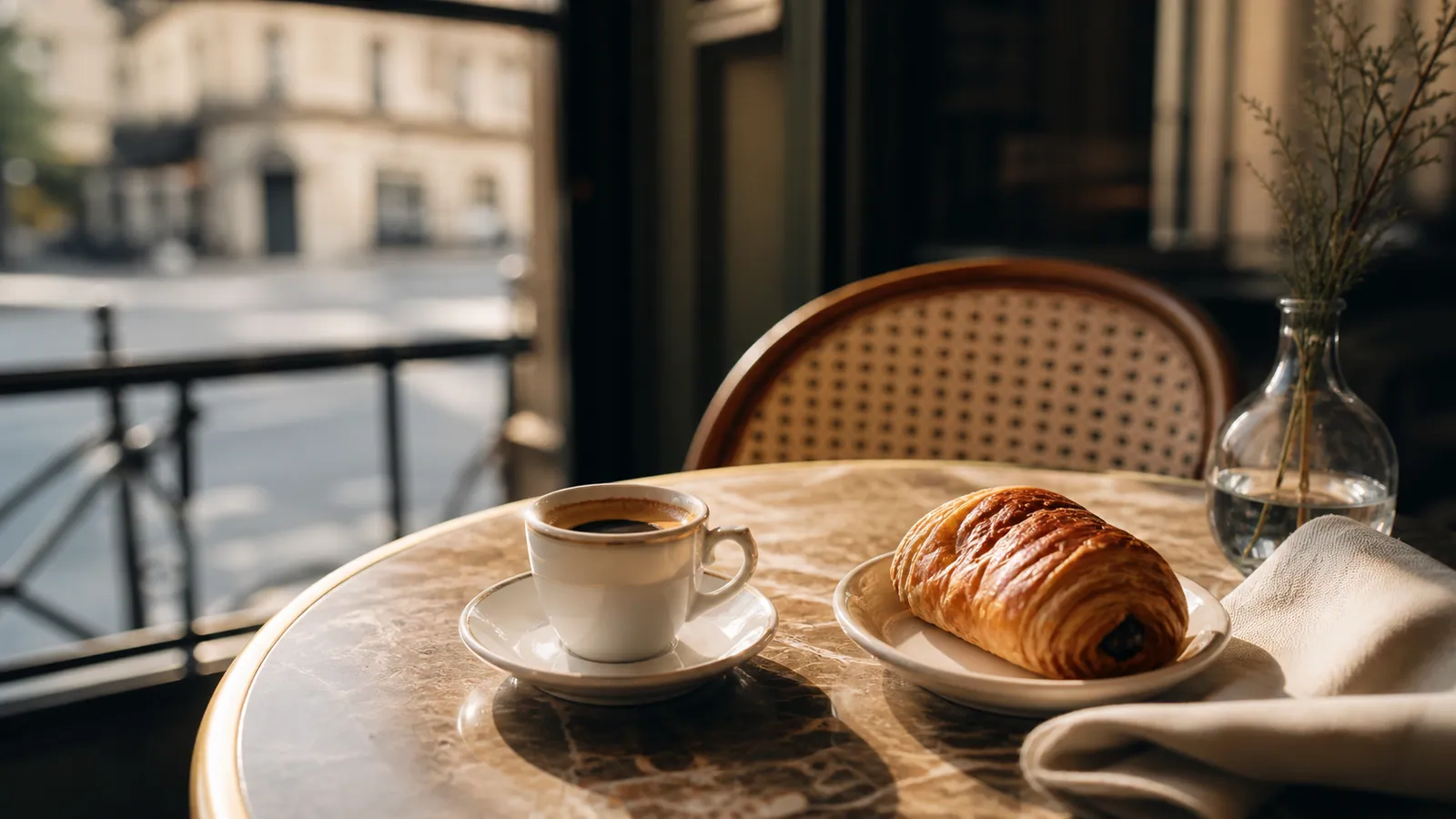
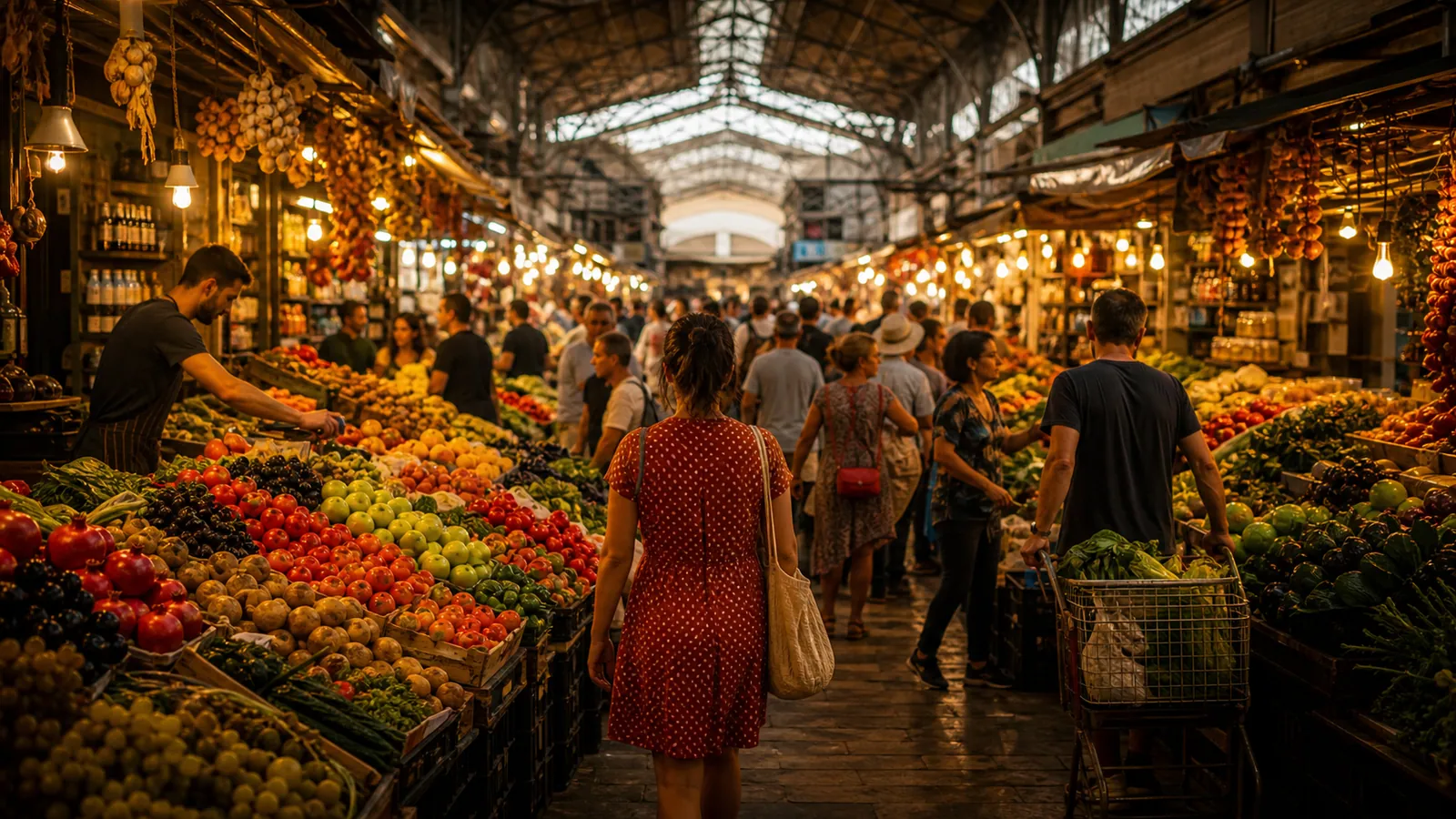
- Portugal uses the euro. Cards and contactless are accepted almost everywhere, but carry some cash for small tascas, the Bolhao market stalls and a stand-up coffee. An espresso, called um cafe or uma bica, costs around 0.80 to 1 euro at the counter and a little more at a table. Tipping is modest: round up or leave five to ten percent for good service. Beware the couvert, the bread, olives and cheese brought unasked at the start of a meal, which is charged if you eat it, so wave it away if you do not want it.
- Safety
- Porto is a very safe city with little violent crime. The main nuisance is pickpocketing in crowded tourist spots, so stay alert around Sao Bento, the Ribeira quay, the Livraria Lello queue and on packed metro trains. Keep bags zipped and worn crossbody. The bigger physical risks are the steep, worn cobbles and staircases, which are treacherous in the rain, and the strong Atlantic currents and cold water at Foz, where you should heed the flags and swim only on guarded beaches. Take care on the narrow upper deck of Ponte Luis I where pedestrians share space with the metro.
- Best season
- Late spring, from May to June, and early autumn, in September and October, are the sweet spots: mild, walkable weather and the vineyards busy without the peak summer crowds. July and August are warm and lively but the Ribeira and Lello get very busy, and the Sao Joao festival on the night of 23 June fills the streets with music, grilled sardines and plastic hammers. Winter is cool, grey and often wet, with Atlantic rain and slippery cobbles, but prices drop and the port lodges stay cosy. Whenever you come, pre-book Livraria Lello and the better lodge tours.
- Where to stay
- The Baixa and Vitoria around the Clerigos tower and Aliados avenue put you within walking distance of nearly everything and offer the widest choice of hotels. The Ribeira is the most atmospheric base, right on the river, though its lanes are steep, noisy at night and short on parking. Across the water, Vila Nova de Gaia rewards you with skyline views and the port lodges on your doorstep, a calmer and often better-value option a short bridge walk from the action. For a quieter, more residential feel, Bonfim and Cedofeita are up-and-coming districts with good restaurants and easy metro access.
 Portugal