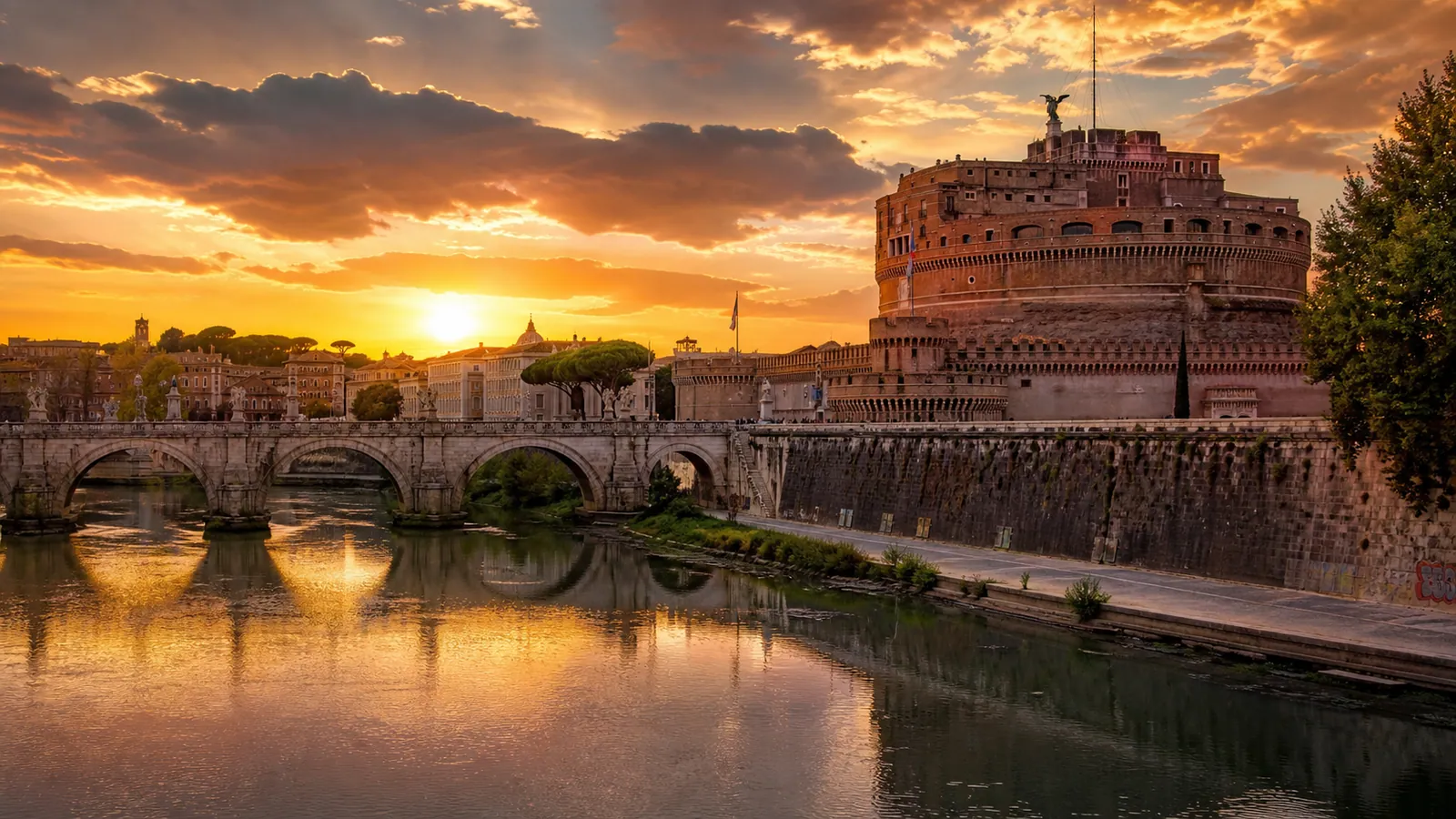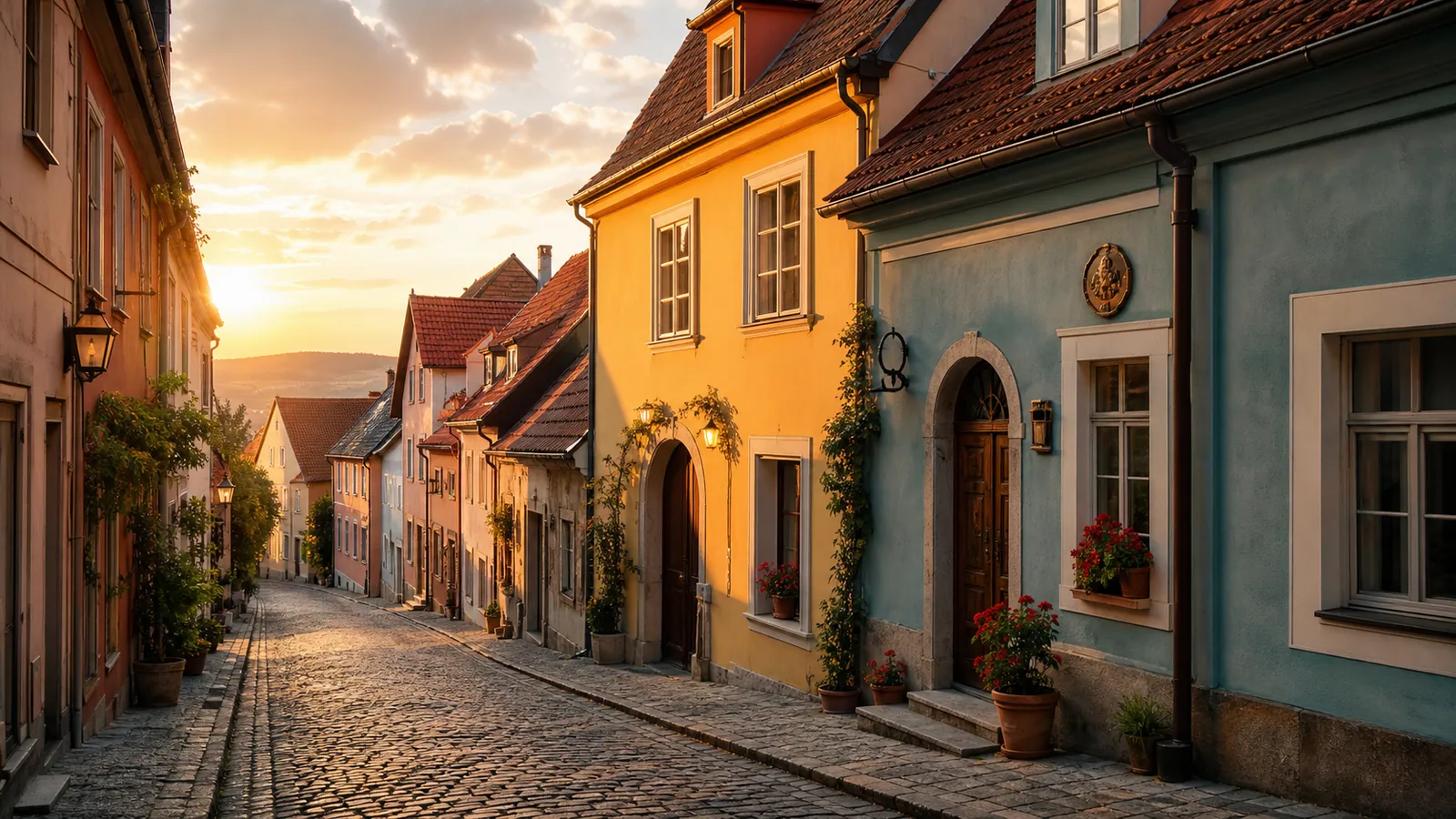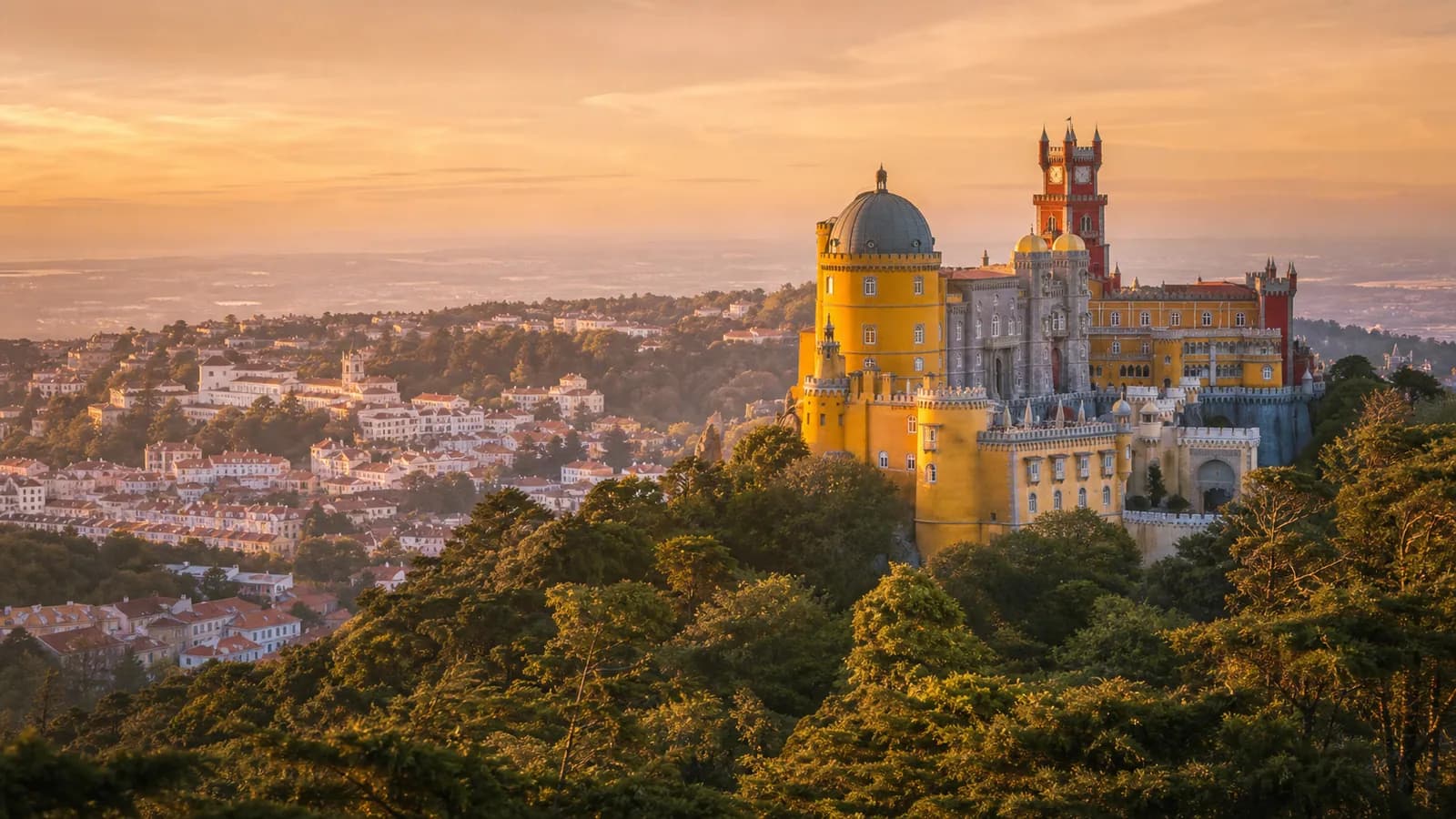

Sintra is a fairytale gone slightly wild, a green hollow in the hills above Lisbon where Romantic-era kings and eccentric aristocrats built palaces that look invented rather than designed. The catch is the crowds and the hills: the pretty old town sits in a steep, damp valley, the big sights scatter across forested ridges above it, and parking is a genuine nightmare, so most people ruin their day fighting traffic. Do the opposite. Take an early train from Lisbon's Rossio station (about 40 minutes), skip the car entirely, and lean on the 434 tourist bus that loops the palaces or the 435 for Regaleira and Monserrate. Pre-book timed tickets for Pena Palace, arrive at opening, and let the misty microclimate work its magic before the coaches roll in at eleven. Eat the town's famous travesseiros and queijadas warm from Piriquita, wander the tiled streets of the historic centre, then push out to the coast at Cabo da Roca, the westernmost point of mainland Europe. Sintra rewards those who slow down, go early, and treat it as a hill town best explored on foot and by bus.
A full, walkable day in Sintra, free for everyone. Set your pace and start time.
Pre-book a timed Pena ticket and go straight up before the coaches arrive around eleven; the hilltop microclimate is often misty and magical early.
The park wraps the palace; if you have the legs, climb to the Cruz Alta viewpoint, the highest point in the serra.
A short hop down from Pena on the 434 loop; the serpentine walls give the best views back to the palace and out to the sea.
A 10-minute walk or short 435 ride from the centre; allow two hours for the tunnels, towers and torchlit spiral well.
Right in the historic centre; do not miss the tiled Sala das Pegas with its painted magpies and the vast kitchen beneath the chimneys.
The 1862 institution for warm almond-cream travesseiros and cinnamon queijadas; expect a queue but it moves fast.
Book ahead for inventive, good-value modern Portuguese cooking before the last easy train back to Lisbon.

The candy-coloured Romanticist palace crowning the highest hill, a riot of red and yellow towers, tiles and turrets - book a timed ticket and arrive at opening before the coaches fill the terraces.


A mystical estate of gardens, grottoes and Masonic symbolism, centred on the spiralling Initiation Well you descend by torchlit stone stairs - allow a good two hours to explore the tunnels.

The ruined 8th-century Moorish castle whose serpentine ramparts snake along the ridge, offering the best panoramic views over Sintra, Pena and out to the Atlantic.

The medieval royal palace in the heart of town, unmistakable for its two huge white conical chimneys, with dazzling tiled rooms and the magpie-painted ceiling of the Sala das Pegas.

An exotic, Moghul-influenced villa set in a botanical garden of ferns, palms and cascades - quieter than Pena and one of the most romantic spots in the hills.

A tiny, humbling 16th-century Franciscan convent hewn into the rock and lined with cork, its cell-like chambers a stark contrast to Sintra's grand palaces.
The larger, calmer second branch of Piriquita a few doors uphill, with the same travesseiros and queijadas plus room to sit down with a bica coffee.

A charming cafe in a former pastry factory by the station, serving cakes, quiches, brunch plates and good coffee in a relaxed, tiled setting.

A cosy petiscos spot on a stepped lane with a small terrace, plating Portuguese small dishes, cured meats and cheeses to share with a glass of wine.

A polished bistro near the station where chef Luis Santos turns out inventive Portuguese cooking and an excellent-value lunch menu - the smart choice for a proper meal.
You're reading the free preview. Members get the full Sintra guide, every spot mapped and built into ready-to-walk 1, 3 & 7-day plans, plus 100+ cities across Europe.
$49 a year, under $1 a week. Less than one tourist-trap coffee.
Cancel anytime · keep access until your term ends
Create your account at checkout. · Already a member? Sign in