- Getting around
- The metro (TMB) is fast, clean and covers nearly everything you'll want; buy a T-casual (10 rides, single zone) or the Hola Barcelona travel card for unlimited days including the airport metro L9 Sud. From El Prat airport the Aerobús (to Plaça Catalunya) and the R2 Nord Rodalies train are both quick; metro L9 Sud connects but takes longer. Walk the old town, it's largely pedestrian and a metro stop is rarely worth it. Beware unofficial taxis; use the white-and-black official cabs or apps like FreeNow.
- Money
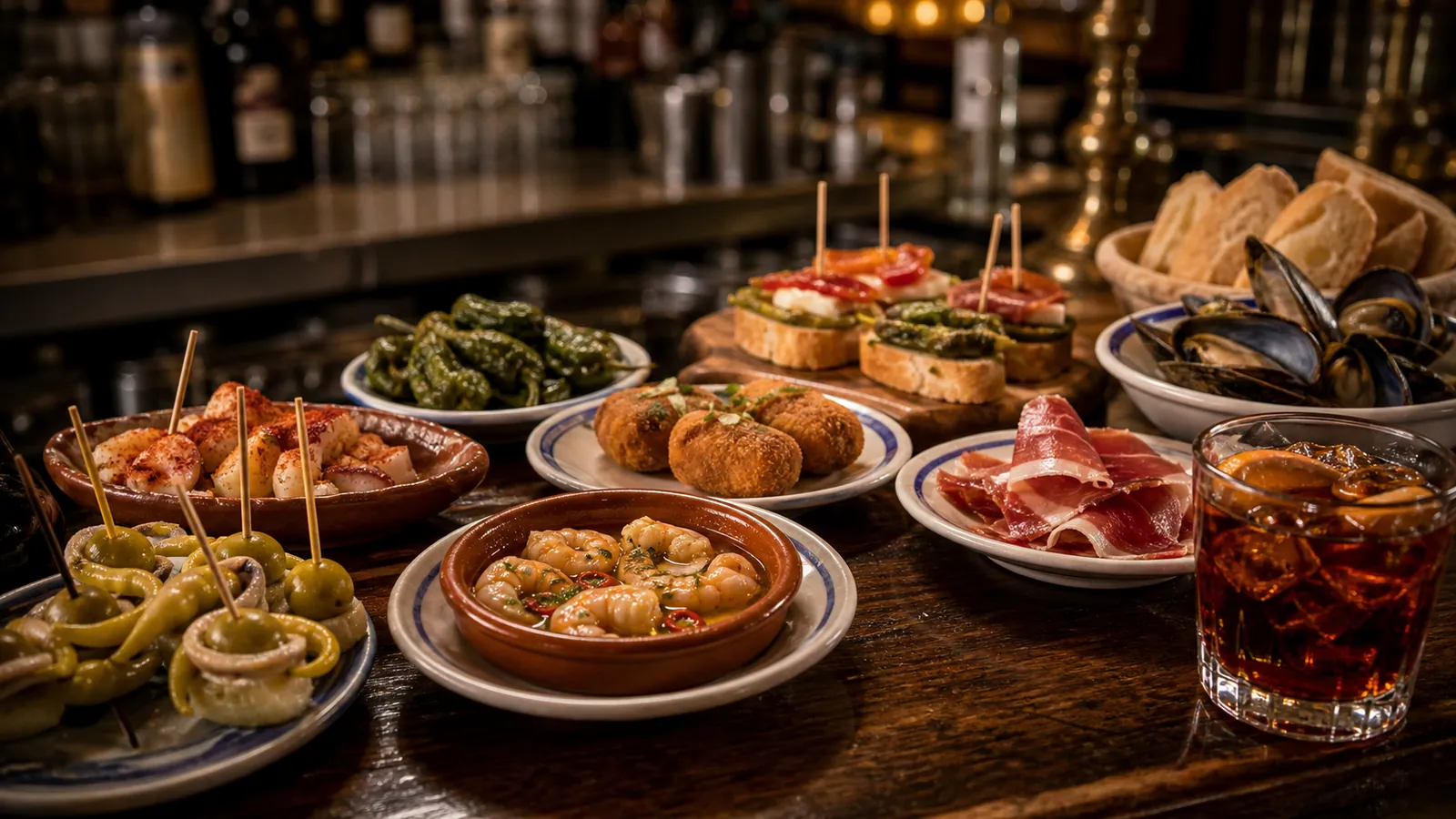
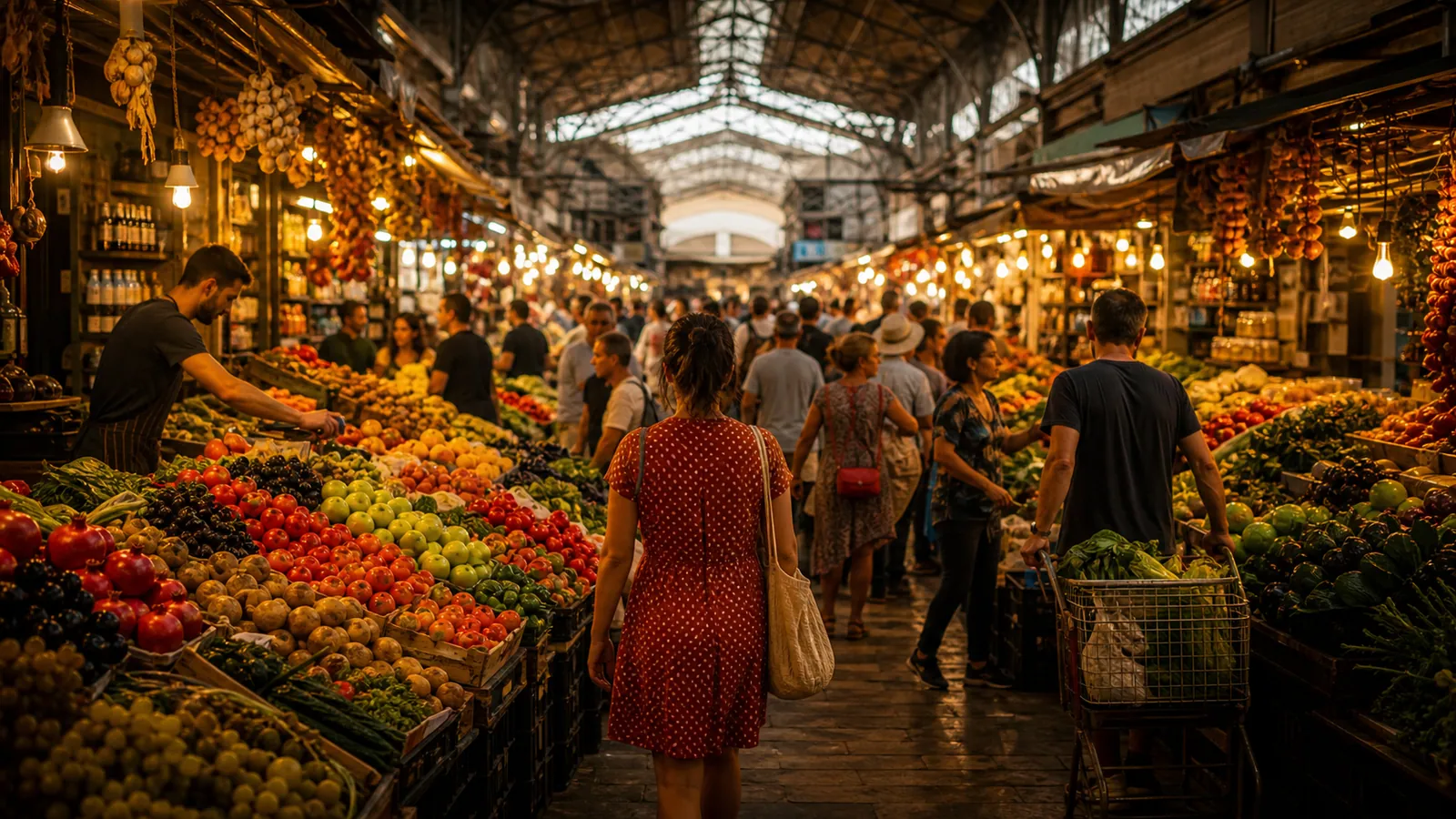
- Spain uses the euro (€) and cards are accepted almost everywhere, including most tapas bars, though a few old-school spots (La Cova Fumada, some market stalls) are cash-only, carry €20-40 in small notes. Tipping is modest: round up or leave 5-10% for good service, nothing obligatory. Look for the 'menú del día' fixed-price lunch (often €13-18) as the best value of the day. Beware bars on the Rambla and around Sagrada Família that charge tourist premiums; a step into a side street usually halves the price.
- Safety
- Barcelona is very safe for violent crime but is one of Europe's pickpocketing capitals, the threat is your wallet, not your person. Be vigilant on the metro (especially L3 to Sagrada Família/Park Güell), on the Rambla, at La Boqueria and on crowded beaches. Use a zipped, front-facing bag, never leave a phone on a café table, and ignore distraction tactics (someone spilling something, asking you to sign a petition). On the beach, don't leave belongings unattended while you swim.
- Best season
- Late spring (May-June) and early autumn (September-October) are ideal, warm, swimmable sea, and lighter crowds than peak summer. July-August is hot, humid and packed, with many locals leaving the city; book everything far ahead. Winter is mild, quiet and great for museums and city walking, though the sea is cold. The Mercè festival (around September 24) and Sant Joan (June 23, fireworks on the beaches) are spectacular if you can time them.
- Where to stay
- El Born and the Gothic Quarter put you in the most atmospheric, walkable streets, steps from tapas and the waterfront (lively, can be noisy at night). The Eixample (around Passeig de Gràcia) is elegant, central and well-connected, ideal for first-timers and the Gaudí sights. Gràcia feels like a village within the city, leafy plaças, local bars, less touristy. For beach access pick Barceloneta, but it can be crowded and noisy; avoid basing yourself far out unless you want a quieter residential stay near a metro line.
 Spain
Spain