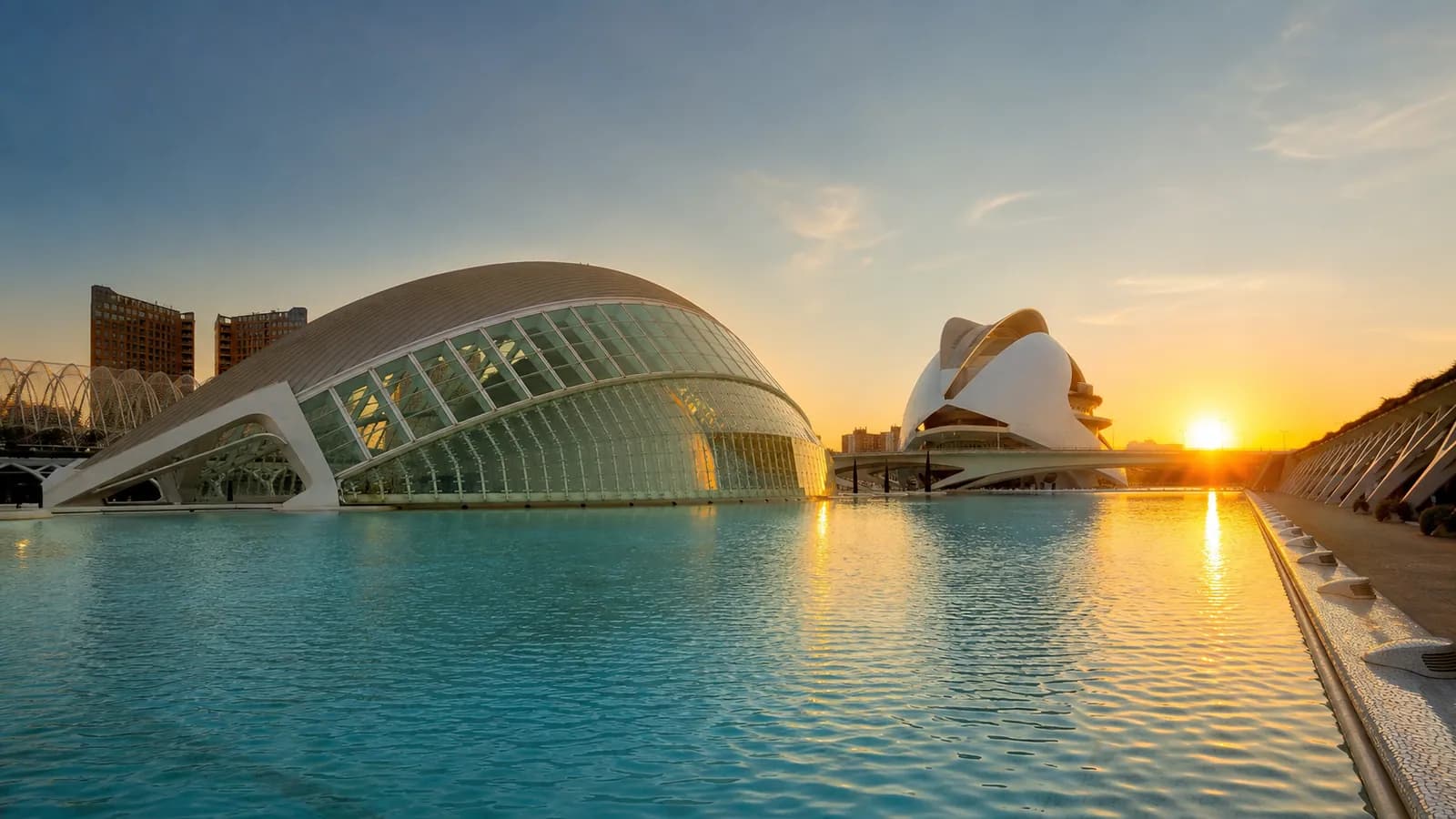

Valencia is Spain's laid-back third city, the birthplace of paella and a place that mixes a golden medieval core with the space-age curves of the City of Arts and Sciences. What makes it special is the Turia, a former riverbed rerouted after a great flood and turned into a nine-kilometre ribbon of gardens that loops right through the centre, perfect for walking or cycling between sights. The pace is Mediterranean and unhurried: mornings for markets and monuments, a long paella lunch (Valencians eat their rice at midday, never for dinner), an afternoon lull, then a late evening of horchata, tapas and terraces. Base yourself near the old town, rent a bike for the Turia, and set aside a beach afternoon at Malvarrosa where the seafront restaurants of the Cabanyal serve the real thing. Book the Oceanografic aquarium and any big-name rice restaurant ahead in high season. Valencia is warmer, cheaper and calmer than Barcelona or Madrid, and it rewards travellers who let the city breathe around them.
A full, walkable day in Valencia, free for everyone. Set your pace and start time.
Fuel up before the market; a coca de llanda or almond pastry with coffee sets you up for a morning on foot.
The modernista hall shuts mid-afternoon, so go early; pull up a stool at Ricard Camarena's counter for a market bocadillo.
The Gothic silk exchange with its spiralling palm columns is right opposite the market and rarely crowded; allow half an hour.
A tiled 19th-century classic; the cold tiger-nut milk with sweet fartons to dunk is a Valencian ritual.
Valencians eat rice at midday, not dinner; take a taxi or tram to the beach and order the paella valenciana.
Rent a bike and follow the green riverbed park south; it delivers you right to Calatrava's white complex.
The white structures glow in low light and reflect in the pools; book the Oceanografic ahead if you want the aquarium too.

Santiago Calatrava's futuristic complex of white sculptural buildings set in shallow pools; book the Oceanografic aquarium and Hemisferic cinema online ahead.


A century-old Malvarrosa institution cooking paella over orange-wood fire; the rice is superb and lunch-only, so book days ahead for a table by the sea.

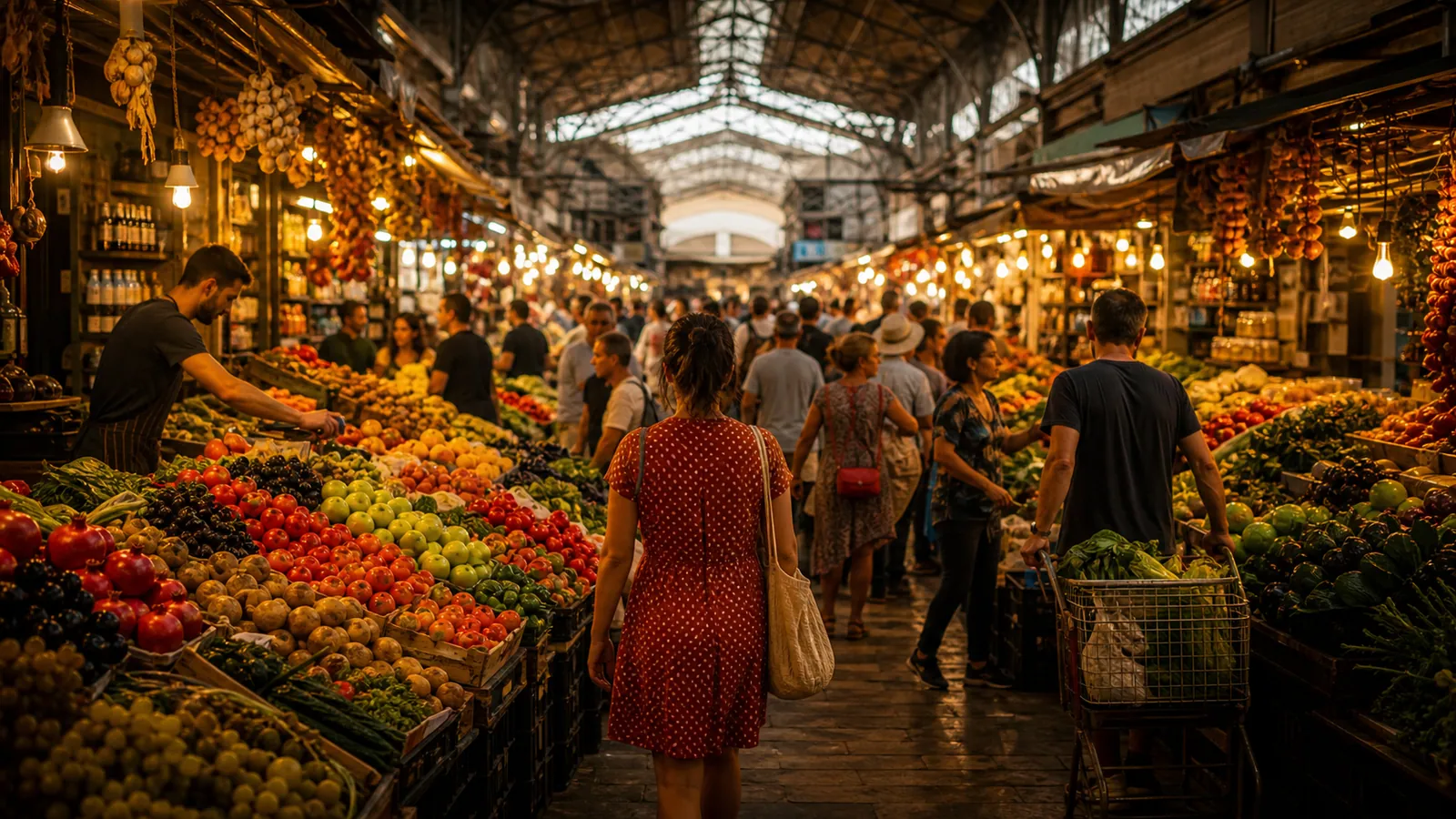
One of Europe's largest and most beautiful covered markets, a modernista hall of stained glass and iron packed with produce stalls; come hungry before it shuts mid-afternoon.

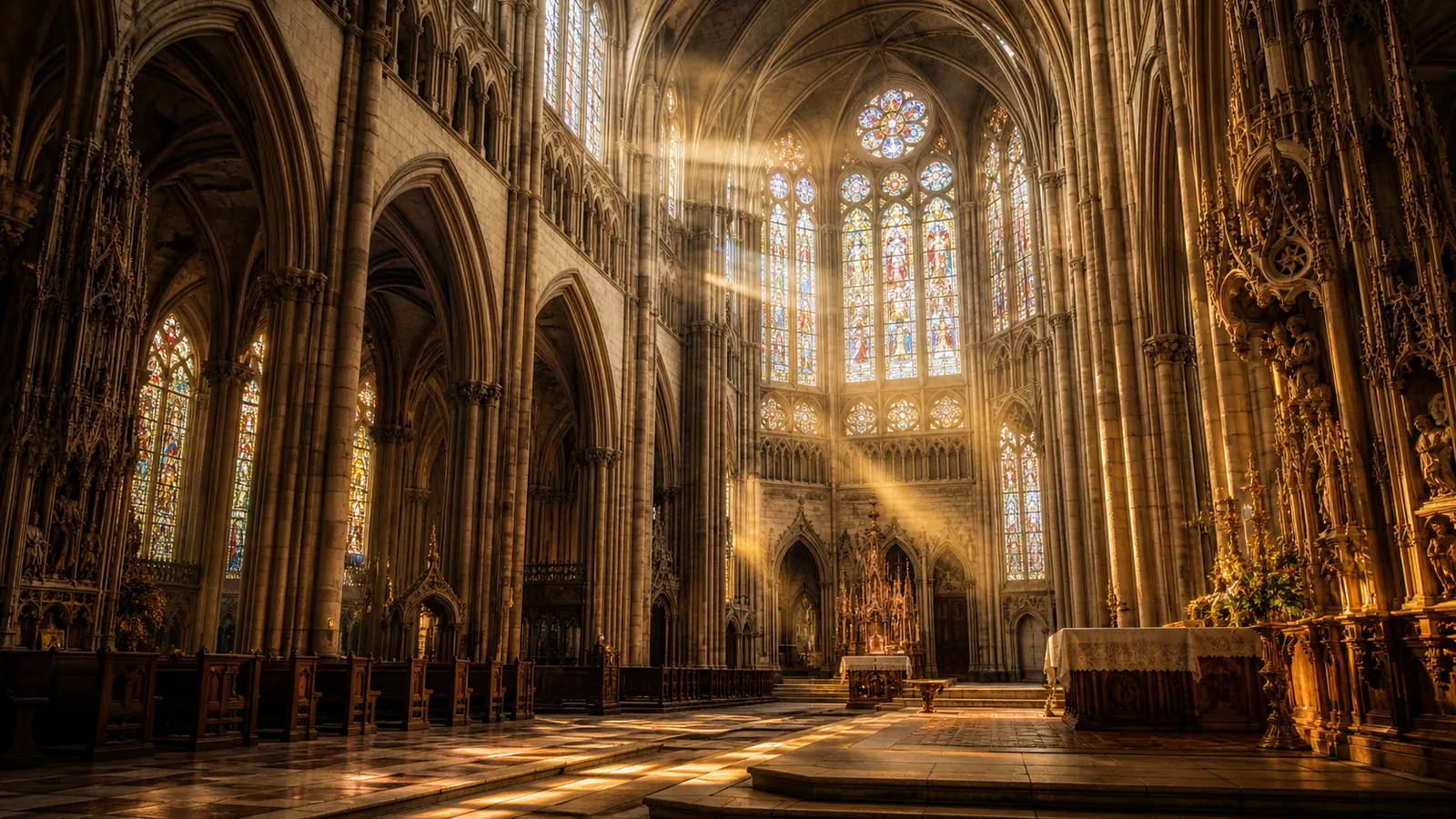
The Gothic cathedral claiming to hold the Holy Grail, with a bell tower you can climb for a rooftop view over the old town; the 207-step Miguelete climb is worth the legs.

A UNESCO-listed 15th-century silk exchange with a hall of spiralling stone palm columns, one of Europe's finest civil Gothic buildings; often blissfully quiet.

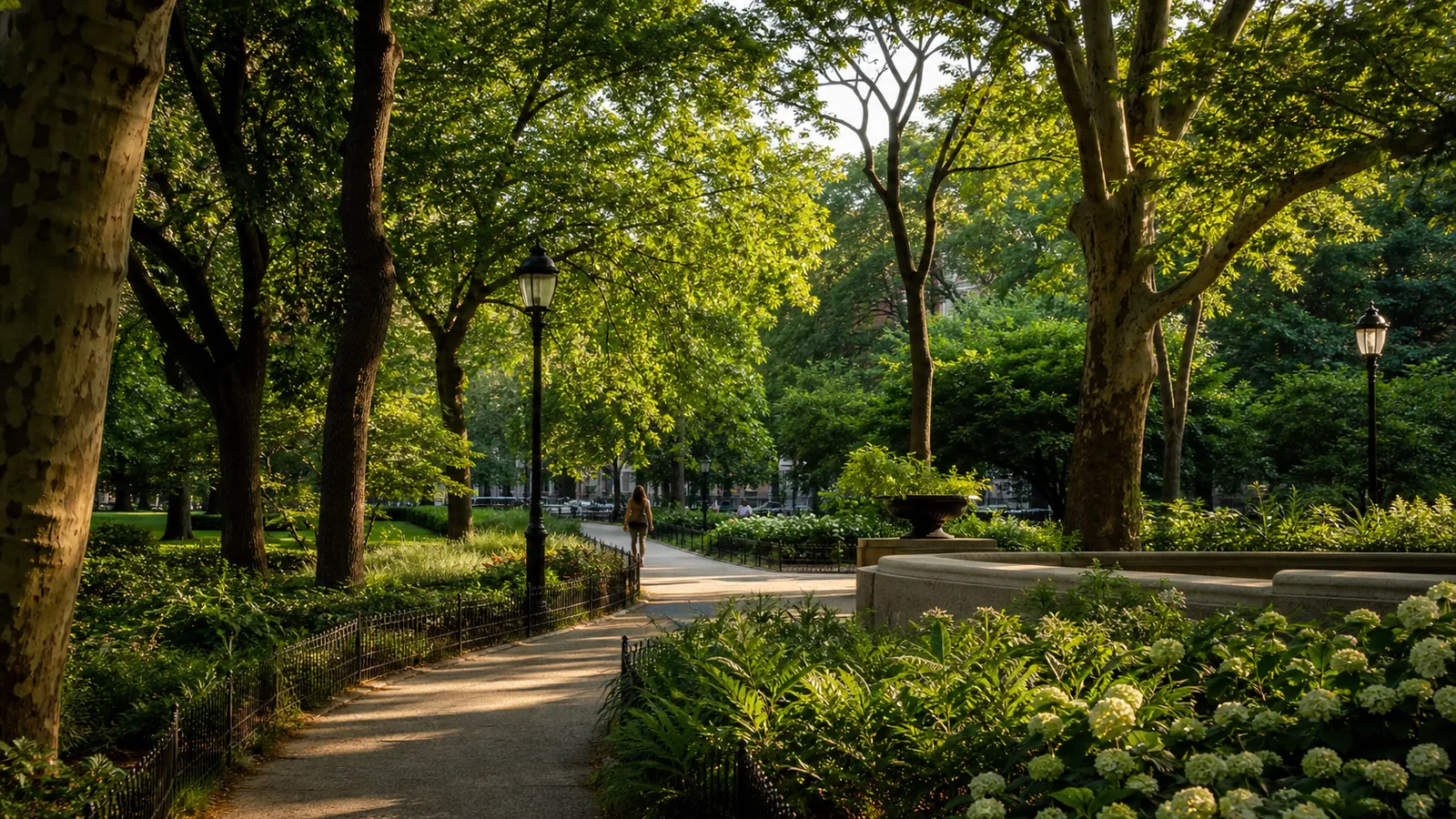
The nine-kilometre park laid out in the old rerouted riverbed, threading gardens, fountains and bridges through the city; rent a bike to ride its full green length.

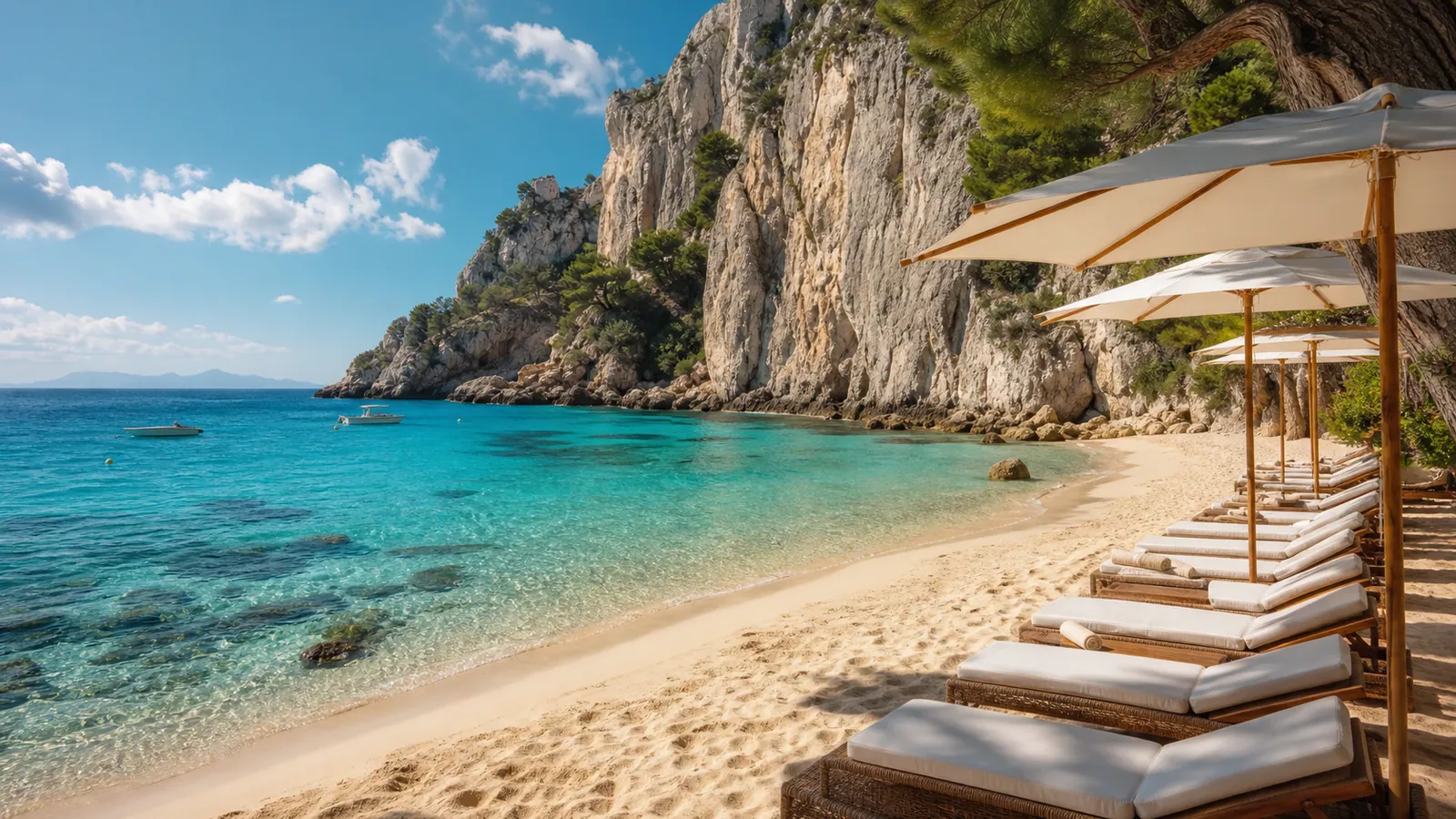
Valencia's long, wide city beach backed by a palm-lined promenade and paella restaurants; ideal for an afternoon swim and a seafront lunch.
The famous 1898 beachfront restaurant that once fed Hemingway, still serving classic paella valenciana and seafood rice along the promenade.

A star chef's counter inside the Mercado Central serving perfect bocadillos and small plates from the freshest market produce; grab a stool and watch the bustle.

A tiled 19th-century cafe by the church tower serving Valencia's signature horchata (tiger-nut milk) with fartons to dunk; a must for a mid-morning break.

An 1836 bodega in the Cabanyal lined with wine barrels, famed for its titaina, boquerones and an encyclopaedic Spanish wine list; reserve for the back room.
You're reading the free preview. Members get the full Valencia guide, every spot mapped and built into ready-to-walk 1, 3 & 7-day plans, plus 100+ cities across Europe.
$49 a year, under $1 a week. Less than one tourist-trap coffee.
Cancel anytime · keep access until your term ends
Create your account at checkout. · Already a member? Sign in